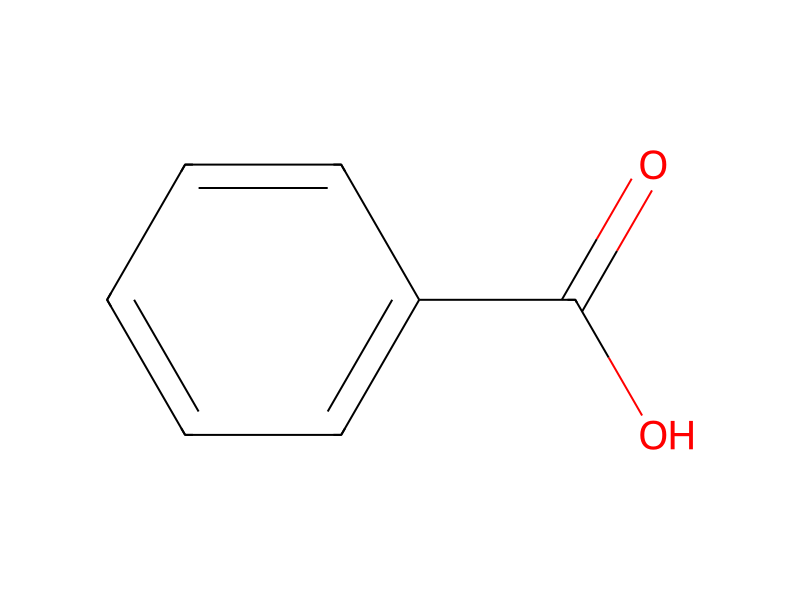
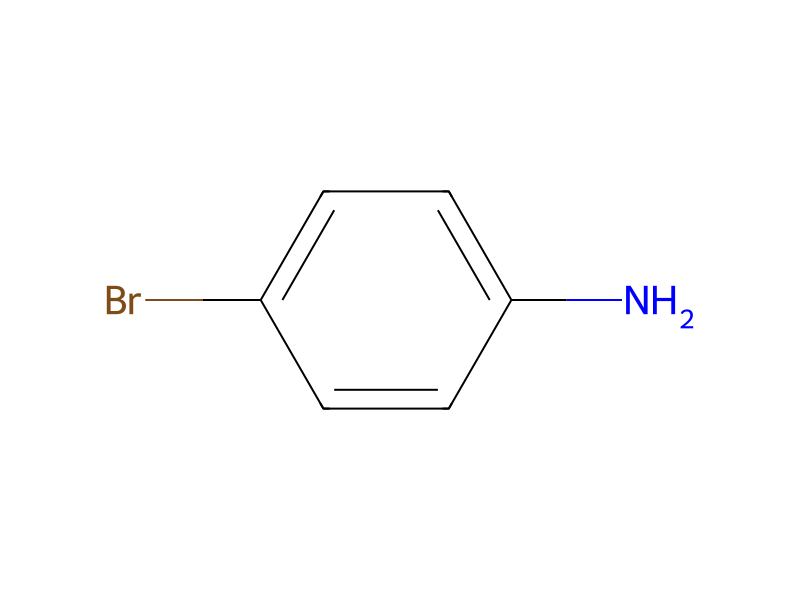
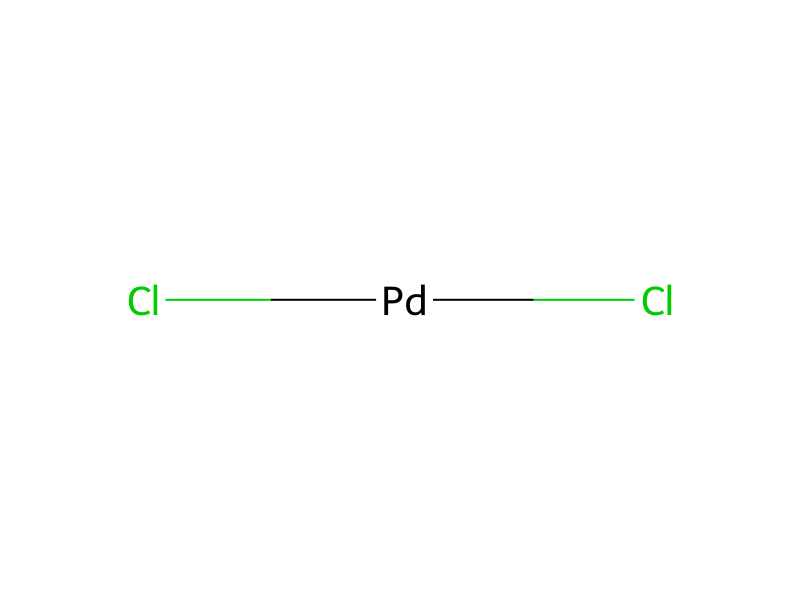
A mixture of 4-bromoaniline (1.72 g, 10 mmol), benzaldehyde (0.27 g, 2.5 mmol), benzoic acid (0.05 g, 0.4 mmol), PdCl2 (2 mg) and triethylamine (3.5 g) was deaerated by bubbling nitrogen and then heated to reflux for 45 min. Thin-layer chromatography showed the formation of N-benzylidene 4-aminophenylbromide). The reaction mixture was cooled to 50° C. and treated with triphenylphosphine (73 mg in 1 g of triethylamine) followed by a slurry of CuI (20 mg) and 4-pentyn-1-ol (1.1 g, 13 mmol). This reaction mixture was heated at reflux for 10 hr. The mixture was cooled and diluted with triethylamine (5 mL) and treated with water (6 mL). The aqueous layer was separated and the triethylamine layer was concentrated under vacuum. Toluene was added and the mixture again concentrated. Then aqueous HCl (10 mL, 7%) was added. The resulting aqueous solution was cooled, basified with 50% NaOH, and extracted with ethyl acetate. The ethyl acetate extract was evaporated under vacuum and the residue was flash chromatographed (20% ethyl acetate-dichloromethane, silica) to yield 0.57 g of 5-(4-aminophenyl)-4-pentyn-1-ol as an oil.