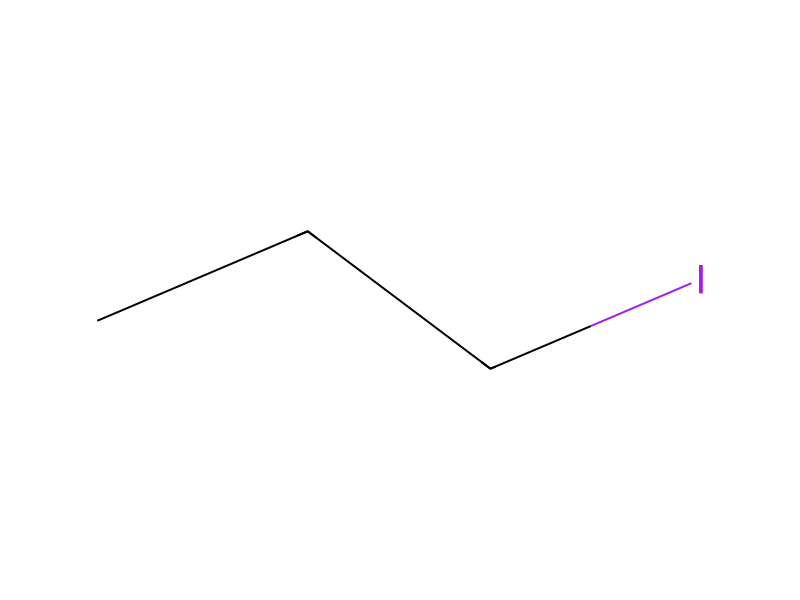
3′,4′-Dimethoxyvalerophenone. 3′,4′-Dimethoxyvalerophenone (9.91 grams, 55 mmol) was added over 20 minutes to a cooled (0° C.) stirred solution of lithium diisopropylamide (28.9 milliliters, 2M, 57.8 mmol). After an additional 5 minutes the solution was cooled to −78° C. and 1-iodopropane (10.73 milliliters, 110 mmol) was rapidly added. The solution was allowed to slowly warm to room temperature and stirring was continued for 3 days. Reaction progress was monitored by TLC (30%, ethyl acetate/hexane, UV) and an equilibrium had been reached after three days between starting material (Rf=0.15), monoalkylated product (Rf=0.32) and dialkylated product (Rf=0.42). The reaction was treated with water (60 milliliters), ethyl acetate (100 milliliters) and a saturated solution of sodium bicarbonate (100 milliliters). The organic layer was separated and washed successively with 5% hydrochloric acid (100 milliliters) and saturated aqueous sodium bicarbonate (100 milliliters). The organic layer was dried over magnesium sulfate and concentrated to afford 15.17 grams of crude product as an orange oily liquid. The crude product was purified by flash chromatography (silica gel, 20% ethyl acetate/hexane) to afford 3.68 (25%) of the dialkylated product (3′,4′-dimethoxy-2-propylvalerophenone) as a yellow solid and 1.01 grams (8%) of the monoalkylated product (3′,4′-dimethoxyvalerophenone) as a yellow oily liquid: 1H NMR (CDCl3) δ 7.65-7.50 (m, 2H), 6.95-6.85 (m, 1H), 3.95 (s, 3H), 3.94 (s, 3H), 2.99-2.88 (m, 2H), 1.52-1.34 (m, 2H), 1.04-0.91 (m, 3H); 13C NMR (CDCl3), δ 199.1, 152.9, 148.8, 130.2, 122.5, 110.0, 109.8, 55.9, 55.8, 37.7, 26.7, 22.4, 13.8.