HomeMCPWorkbenchSkills
HomeWorkbenchNotificationsMe
llms.txt · MCP GuidePrivacy Policy · Terms of Service · Supportv1.8.3
  1. Home
  2. /Reaction

Triethylamine → N-[4-({2-[(Azetidin-1-ylcarbonyl)amino]pyridin-4-yl)oxy)-2-fluorophenyl]-N'-(4-fluorophenyl)cyclopropane-1,1-dicarboxamide

HRID 2066292
Print

Reaction equation

HRID 2066292 reaction equation
[NH2:1][C:2]1[CH:7]=[C:6]([O:8][C:9]2[CH:14]=[CH:13][C:12]([NH:15][C:16]([C:18]3([C:21]([NH:23][C:24]4[CH:29]=[CH:28][C:27]([F:30])=[CH:26][CH:25]=4)=[O:22])[CH2:20][CH2:19]3)=[O:17])=[C:11]([F:31])[CH:10]=2)[CH:5]=[CH:4][N:3]=1.[CH2:32]([N:34]([CH2:37][CH3:38])[CH2:35]C)C.ClC(OC1C=CC=CC=1)=[O:41].C(=O)([O-])O.[Na+]>O1CCCC1.C(OCC)(=O)C>[N:34]1([C:32]([NH:1][C:2]2[CH:7]=[C:6]([O:8][C:9]3[CH:14]=[CH:13][C:12]([NH:15][C:16]([C:18]4([C:21]([NH:23][C:24]5[CH:25]=[CH:26][C:27]([F:30])=[CH:28][CH:29]=5)=[O:22])[CH2:20][CH2:19]4)=[O:17])=[C:11]([F:31])[CH:10]=3)[CH:5]=[CH:4][N:3]=2)=[O:41])[CH2:35][CH2:38][CH2:37]1
ParticipantsProcedureWorkupSources & evidenceReaction notes

Participants

7

Reactant 4

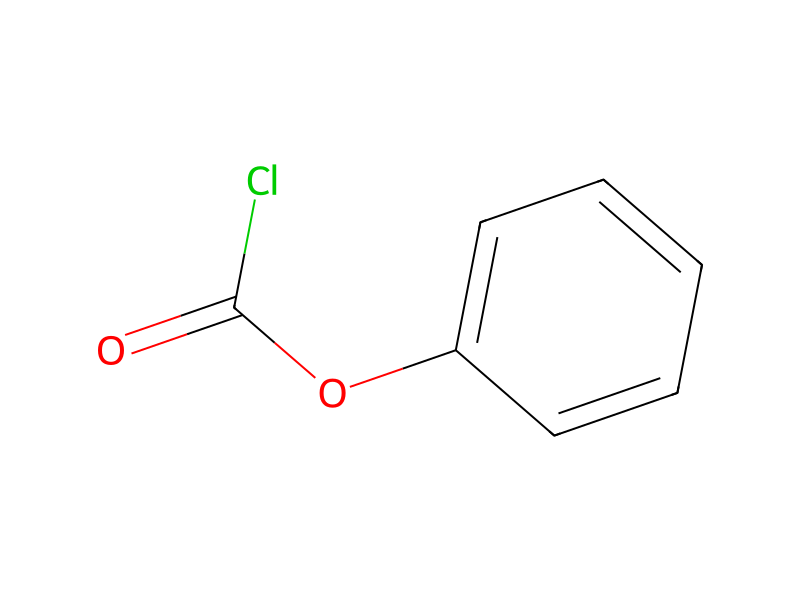
HCID 8471TriethylamineHCID 15891Phenyl chloroformateHCID 516892Sodium BicarbonateHCID 59596943N-(4-(2-aminopyridin-4-yloxy)-2-fluorophenyl)-N'-(4-fluorophenyl)cyclopropane-1,1-dicarboxamide

Product 1

HCID 16118806N-[4-({2-[(Azetidin-1-ylcarbonyl)amino]pyridin-4-yl)oxy)-2-fluorophenyl]-N'-(4-fluorophenyl)cyclopropane-1,1-dicarboxamide
Yield 72%

Reagents, catalysts & solvents 2

HCID 8028TetrahydrofuranSolventHCID 8857Ethyl AcetateSolvent

Procedure

N-{4-[(2-Aminopyridin-4-yl)oxy]-2-fluorophenyl}-N′-(4-fluorophenyl)cyclopropane-1,1-dicarboxamide (1.5 g) was dissolved in tetrahydrofuran (15 ml) under a nitrogen atmosphere, and triethylamine (0.987 ml) and phenyl chloroformate (0.978 ml) were added dropwise at room temperature in this order, followed by stirring for 30 min. The reaction mixture was stirred after addition of ethyl acetate and a saturated aqueous solution of sodium hydrogencarbonate. The organic layer was separated, washed with brine, and dried over anhydrous sodium sulfate. The solvent was concentrated under reduced pressure. The residue was dissolved in N,N-dimethylformamide (7.5 ml). Triethylamine (4.92 ml) and azetidine hydrochloride (1.33 g) were added at room temperature, followed by stirring for 7.5 hr. The reaction mixture was partitioned between ethyl acetate and a saturated aqueous solution of sodium hydrogencarbonate. The organic layer was washed with water (three times) and brine in this order, and dried over anhydrous sodium sulfate. The solvent was concentrated under reduced pressure. To the resultant residue were added ethyl acetate (5 ml) and heptane (5 ml) to precipitate a solid. The solid was collected by filtration and dried under aeration to provide the titled compound as white powder (1.29 g, 72%).

Workup

  1. stirringThe reaction mixture was stirred
  2. customThe organic layer was separated
  3. washwashed with brine
  4. dry with materialdried over anhydrous sodium sulfate
  5. concentrationThe solvent was concentrated under reduced pressure
  6. dissolutionThe residue was dissolved in N,N-dimethylformamide (7.5 ml)
  7. additionTriethylamine (4.92 ml) and azetidine hydrochloride (1.33 g) were added at room temperature
  8. stirringby stirring for 7.5 hr
  9. customThe reaction mixture was partitioned between ethyl acetate
  10. washThe organic layer was washed with water (three times) and brine in this order
  11. dry with materialdried over anhydrous sodium sulfate
  12. concentrationThe solvent was concentrated under reduced pressure
  13. additionTo the resultant residue were added ethyl acetate (5 ml) and heptane (5 ml)
  14. customto precipitate a solid
  15. filtrationThe solid was collected by filtration
  16. customdried under aeration

Sources & evidence

ORD record
ord-7212014e945546528bc66eb7ffcd2cd8
Source dataset
uspto-grants-2012_10
DOI
10.6084/m9.figshare.5104873.v1
Patent number
US08288538B2

Reaction notes

On this pageParticipantsProcedureWorkupSources & evidenceReaction notes