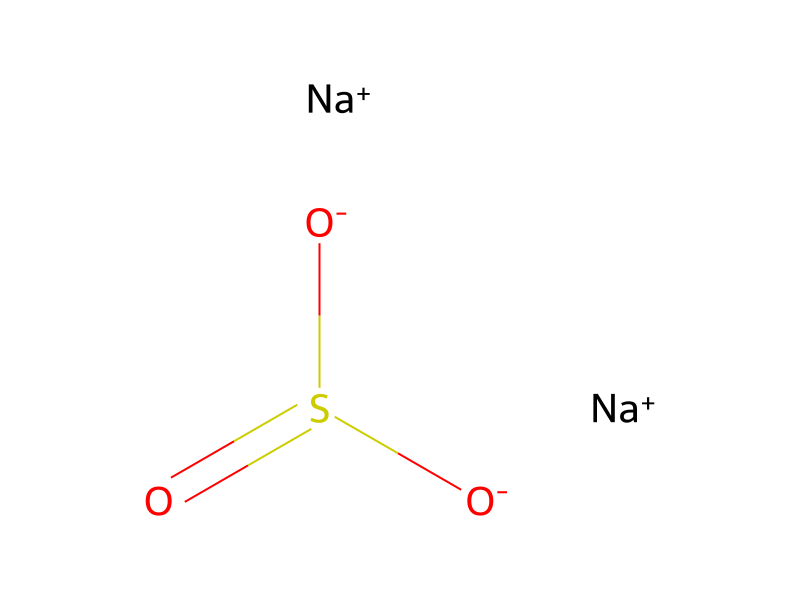
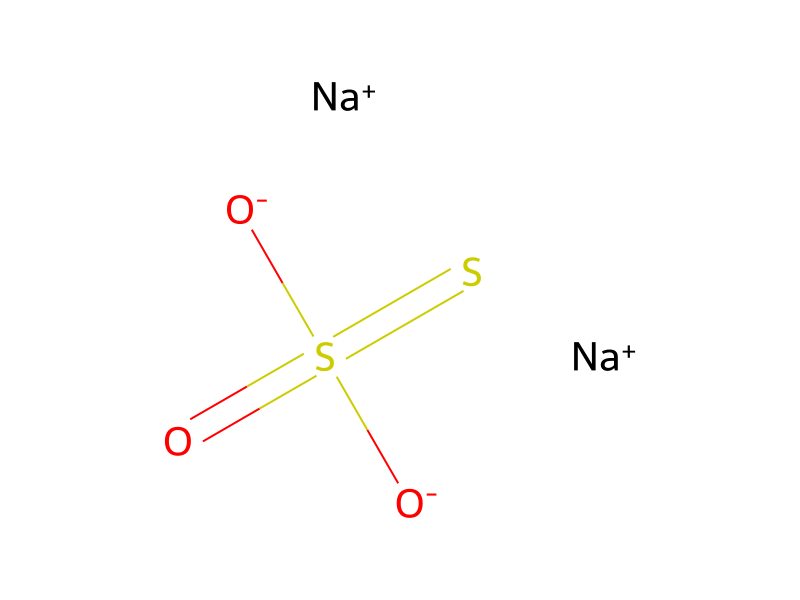
To a stirred slurry of 7-bromo-2-chloro-quinoline (obtained from AstaTech, Inc.), (8.10 g, 33.4 mmol) and sodium iodide (50.0 g, 334 mmol) in acetonitrile (27 mL) was slowly added acetyl chloride (3.56 mL, 50.0 mmol). The flask was stoppered and sealed and heated at 80° C. for 3 h before being allowed to cool. The mixture was treated sequentially with 10% w/w aqueous potassium carbonate solution (80 mL), 5% w/w aqueous sodium sulfite solution (80 mL) and saturated aqueous sodium thiosulfate solution (80 mL) and the mixture extracted with dichloromethane (2×). The combined organic extracts were dried over sodium sulfate, filtered and evaporated to give a crude 7-bromo-2-iodo-quinoline. To the quinoline was added tributyl(1-ethoxyvinyl)tin (13.6 mL, 40.1 mmol), 1,4-dioxane (67 mL) and bis(triphenylphosphine)palladium(II) dichloride (2.37 g, 3.34 mmol) and the reaction mixture heated at 100° C. for 5 h before being allowed to cool. 2 M aqueous hydrochloric acid (67 mL) was added and the reaction stirred for 1 h. The mixture was filtered and the solids washed with ethyl acetate and the filtrate evaporated to remove organics. The residue was extracted with ethyl acetate (3×) and the combined organic extracts were dried over sodium sulfate, filtered and evaporated. The product was purified on silica gel doped with 10% w/w potassium carbonate eluting with a gradient of 0% to 6% ethyl acetate in iso-hexanes to afford the title compound (5.5 g, 66%) as a white solid. 1H NMR (300 MHz, CDCl3) δ 2.86 (s, 3H), 7.72-7.80 (m, 2H), 8.21 (ABq, ΔδAB=0.11, JAB=8.5 Hz, 2H), 8.42 (s, 1H). LCMS (m/z) 250.1/252.1 [M+H], Tr=2.90 min.