Reaction equation

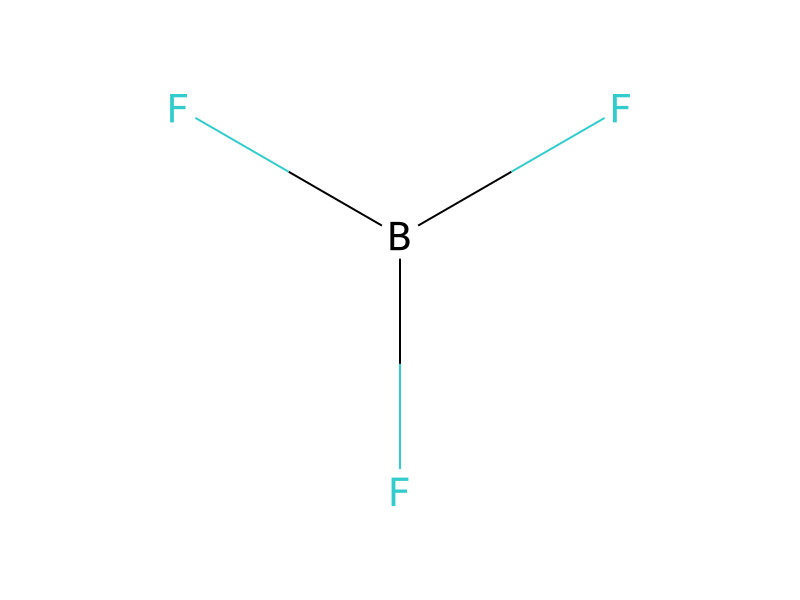
[CH:1]1[CH:6]=[C:5]2C(C(O)(O)[C:10](=[O:11])[C:4]2=[CH:3][CH:2]=1)=O.[N-:14]=[N+:15]=[N-:16].[BH4-].[Na+].B(F)(F)F.O(CC)[CH2:24][CH3:25].S(N=[N+]=[N-])(C(F)(F)F)(=O)=O>C1COCC1>[N:14]([CH2:24][CH2:25][C:1]1[CH:2]=[CH:3][C:4]([CH2:10][OH:11])=[CH:5][CH:6]=1)=[N+:15]=[N-:16]Participants







Procedure
To a solution of this carboxylic acid (0.70 g, 3.87 mmol) in anhydrous THF (8 mL) was added 1M BH3:THF (12 mL, 12.0 mmol) at 0° C. Stirring was continued at 0° C. for 1 h and the reaction was warmed up to room temperature. The mixture was stirred at room temperature for 14 h. TLC (visualization with ninhydrin stain) showed azide reduction took place. NaBH4 (0.46 g, 12 mmol) and BF3:OEt2 (1.6 mL, 12 mmol) were added and stirring continued for about 18 h to ensure a complete azide reduction. Excess boron trifluoride etherate was destroyed with ethanol, and the mixture filtered. The filtrate was evaporated to afford a semi solid. The crude was treated with freshly prepared triflic azide (12 mmol) as described for the synthesis of azide 14s. The crude was purified on silica gel eluting with EtOAc/Hexanes 2:3 to afford 4-(2-azidoethyl)-benzyl alcohol as clear oil (0.56 g, 82%) (Rf=0.53, EtOAc/Hexanes 2:3).
Workup
- customat 0° C
- stirringThe mixture was stirred at room temperature for 14 h
- stirringstirring
- waitcontinued for about 18 h
- customExcess boron trifluoride etherate was destroyed with ethanol
- filtrationthe mixture filtered
- customThe filtrate was evaporated
- customto afford a semi solid
- customThe crude was purified on silica gel eluting with EtOAc/Hexanes 2:3
Sources & evidence
- ORD record
- ord-b2f9641c1ce0441184c64813904513ba
- Source dataset
- uspto-grants-2012_06
- Patent number
- US08202843B2
Linked notes
Loading…