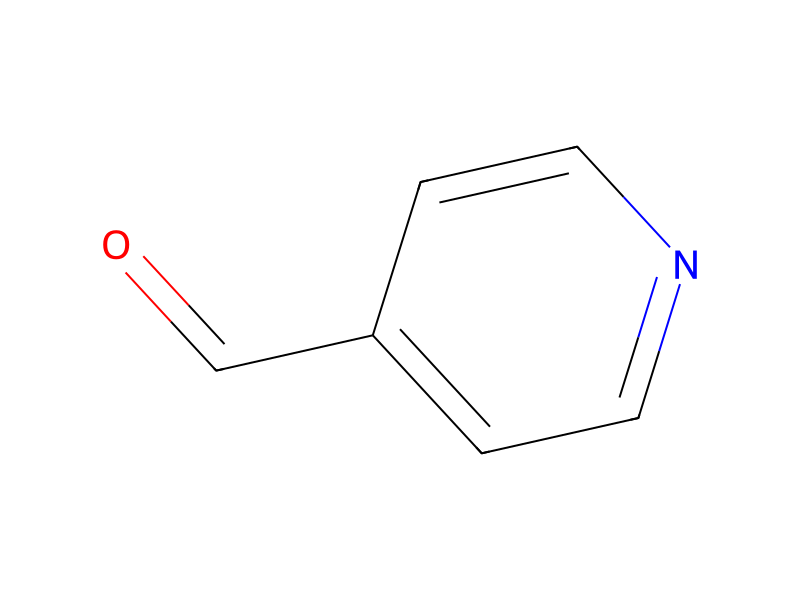
Cl.[CH3:2][O:3][C:4]([C:6]1[CH:15]=[CH:14][CH:13]=[C:12]2[C:7]=1[CH2:8][CH2:9][NH:10][CH2:11]2)=[O:5].C(N(CC)CC)C.[N:23]1[CH:28]=[CH:27][C:26]([CH:29]=O)=[CH:25][CH:24]=1.C(O[BH-](OC(=O)C)OC(=O)C)(=O)C.[Na+]>O1CCCC1>[N:23]1[CH:28]=[CH:27][C:26]([CH2:29][N:10]2[CH2:9][CH2:8][C:7]3[C:6]([C:4]([O:3][CH3:2])=[O:5])=[CH:15][CH:14]=[CH:13][C:12]=3[CH2:11]2)=[CH:25][CH:24]=15-Methoxycarbonyl-1,2,3,4-tetrahydroisoquinoline hydrochloride (1 g, 4.39 mmol) and triethylamine (666 mg, 6.58 mmol) were mostly dissolved in tetrahydrofuran (30 mL). 4-Pyridinecarboxaldehyde (494 mg, 4.61 mmol) and sodium triacetoxyborohydride (1.3 g, 6.15 mmol) were then added to the mixture. The reaction mixture was stirred at room temperature overnight. The reaction was quenched with saturated aqueous sodium bicarbonate. The tetrahydrofuran was removed under vacuum and the remaining residue was dissolved in ethyl acetate then washed with saturated aqueous sodium bicarbonate and brine. The organic layer was dried over sodium sulfate and concentrated under vacuum to give 1.29 g of methyl 2-(pyridine-4-ylmethyl)-1,2,3,4-tetrahydroisoquinoline-5-carboxylate as a light yellow oil. MS (ESI, pos. ion) m/z: 283.0 (M+1).