Potassium Carbonate → Methyl 4-(benzyloxy)-6-chloropyrazolo[1,5-a]pyridine-3-carboxylate
HRID 2209247
Reaction equation

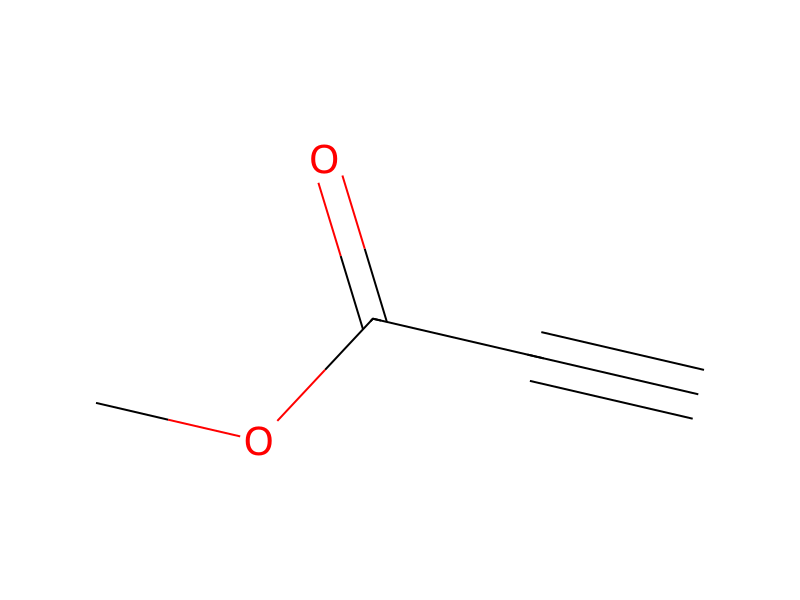
CC1C=C(C)C=C(C)C=1S([O-])(=O)=O.[NH2:14][N+:15]1[CH:20]=[C:19]([Cl:21])[CH:18]=[C:17]([O:22][CH2:23][C:24]2[CH:29]=[CH:28][CH:27]=[CH:26][CH:25]=2)[CH:16]=1.C([O-])([O-])=O.[K+].[K+].[C:36]([O:40][CH3:41])(=[O:39])[C:37]#[CH:38].C([O-])(O)=O.[Na+]>CN(C=O)C.CCOC(C)=O>[CH2:23]([O:22][C:17]1[C:16]2[N:15]([N:14]=[CH:38][C:37]=2[C:36]([O:40][CH3:41])=[O:39])[CH:20]=[C:19]([Cl:21])[CH:18]=1)[C:24]1[CH:25]=[CH:26][CH:27]=[CH:28][CH:29]=1Participants
7