Reaction equation

[CH3:1][O:2][C:3]1[C:4]([O:14][CH2:15][CH:16]2[CH2:18][O:17]2)=[CH:5][C:6]2[O:11][C:10](=[O:12])[CH:9]=[CH:8][C:7]=2[CH:13]=1.[C:19]1([CH:25]2[CH2:30][CH2:29][NH:28][CH2:27][CH2:26]2)[CH:24]=[CH:23][CH:22]=[CH:21][CH:20]=1.Cl>C(O)C.C(O)(C)C>[OH:17][CH:16]([CH2:18][N:28]1[CH2:29][CH2:30][CH:25]([C:19]2[CH:24]=[CH:23][CH:22]=[CH:21][CH:20]=2)[CH2:26][CH2:27]1)[CH2:15][O:14][C:4]1[C:3]([O:2][CH3:1])=[CH:13][C:7]2[CH:8]=[CH:9][C:10](=[O:12])[O:11][C:6]=2[CH:5]=1Participants
6
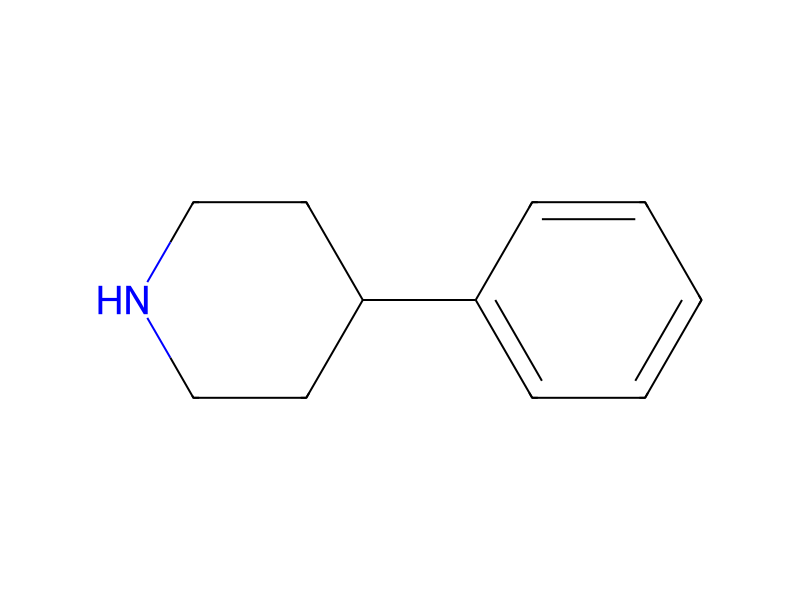
Reactant 3


Product 1

Reagents, catalysts & solvents 2


Procedure
Method C (27 h at 45° C.); starting materials; 6-methoxy-7-(oxiranylmethoxy)-2H-1-benzopyran-2-one (example 86) and 4-phenylpiperidine; yield 69%; fusion point 114°-115° C. (from isopropanol and ethanol). Hydrochloride: method G; yield 82%; fusion point 202°-205° C. (from isopropanol and ethanol).
Workup
- customMethod C (27 h at 45° C.)
Sources & evidence
- ORD record
- ord-e45647eba91c4bf5b53226c678b07b5f
- Source dataset
- uspto-grants-1995_06
- Patent number
- US05428038
Linked notes
Loading…