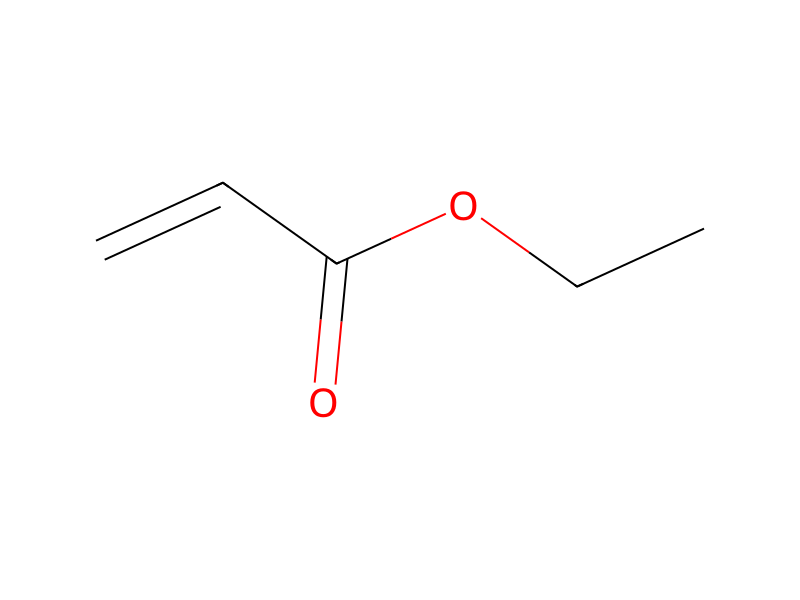
[C:1]1([CH3:16])[CH:6]=[CH:5][C:4]([C:7]([C:9]2[CH:14]=[CH:13][CH:12]=[C:11](Br)[N:10]=2)=[O:8])=[CH:3][CH:2]=1.C1(P(C2C=CC=CC=2)C2C=CC=CC=2)C=CC=CC=1.C(N(CCCC)CCCC)CCC.[C:49]([O:53][CH2:54][CH3:55])(=[O:52])[CH:50]=[CH2:51]>CCOC(C)=O.O>[C:1]1([CH3:16])[CH:6]=[CH:5][C:4]([C:7]([C:9]2[N:10]=[C:11](/[CH:51]=[CH:50]/[C:49]([O:53][CH2:54][CH3:55])=[O:52])[CH:12]=[CH:13][CH:14]=2)=[O:8])=[CH:3][CH:2]=1A mixture of ketone 3 (16.90 g, 61.2 mmol), triphenylphosphine (1.64 g, 6.25 mmol), tributylamine (15 mL), and ethyl acrylate (16 mL) was stirred and heated (hot bath at 125-135° C.) for 7 h. Two additional aliquots of ethyl acrylate (7 mL each) were added at 4 h and 6 h. After the reaction was cooled to room temperature, the reaction mixture was poured over water (300 mL) and EtOAc (300 mL). The aqueous layer was extracted further with EtOAc. The combined organics were dried with Na2SO4, filtered, and evaporated to dryness. Chromatography over silica gel using heptane/EtOAc (starting at 8:1) gave 15.49 g of 5c as a yellow crystalline solid. The structure was confirmed by 1H NMR. (Keto-acrylates 5e and 5f were similarly prepared using isobutyl acrylate and cyclopentyl acrylate, respectively.)