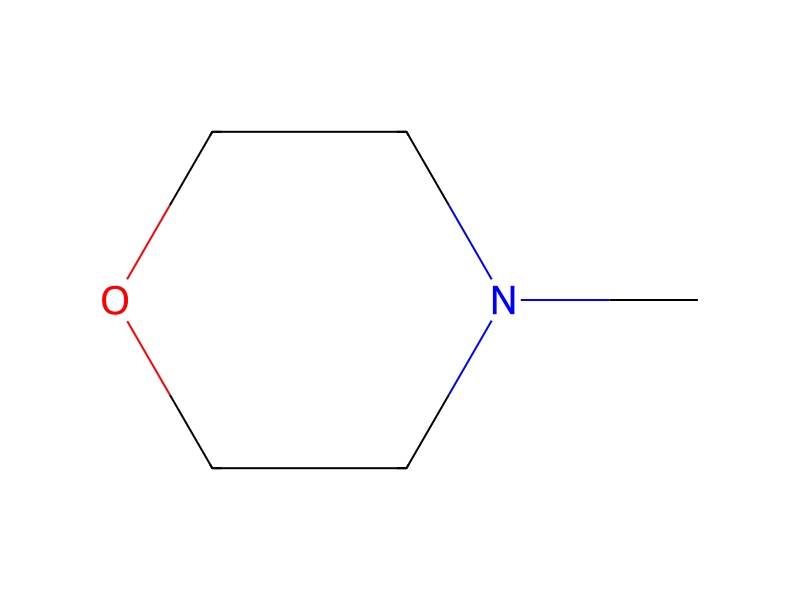
[C:1]([NH:4][C@H:5]([C:11]([OH:13])=O)[CH2:6][CH2:7][C:8](=[O:10])[NH2:9])(=[O:3])[CH3:2].C(N(CC)CC)C.ClC(OCC(C)C)=O.[NH2:29][C:30]1[CH:35]=[CH:34][C:33]([C:36]2[N:41]=[C:40]([OH:42])[C:39]([C:43]([OH:45])=[O:44])=[CH:38][N:37]=2)=[CH:32][CH:31]=1.CN1CCOCC1>CN(C)C=O>[C:1]([NH:4][CH:5]([C:11]([NH:29][C:30]1[CH:31]=[CH:32][C:33]([C:36]2[N:41]=[C:40]([OH:42])[C:39]([C:43]([OH:45])=[O:44])=[CH:38][N:37]=2)=[CH:34][CH:35]=1)=[O:13])[CH2:6][CH2:7][C:8](=[O:10])[NH2:9])(=[O:3])[CH3:2]A solution of 14.1 g (75mmol) of N-acetyl-L-glutamine and 9.75 ml (75 mmol) of triethylamine in 150 ml of dimethylformamide is stirred at -15° to -20° C. and 9.75 ml (75 mmol) of isobutyl chloroformate is added. After stirring at -15° to -20° C. for 30 min a cold solution of 11.6 g (50 mmol) of 2-(4-aminophenyl)-4-hydroxy-5-pyrimidine carboxylic acid and 7.15 ml (50 mmol) of N-methylmorpholine in 200 ml of dimethylformamide is added at -15° C. The reaction mixture is stirred at -15° C. for 20 min at 5° C. for 3 hrs, and at room temperature overnight. The reaction mixture is evaporated and the residue treated with water. The pH is lowered to 2.5 with hydrochloric acid and the solid is filtered, washed with water, and dried to afford 17.3 g of 2-[4-(N-acetyl-DL-glutaminylamino)phenyl]-4-hydroxy-5-pyrimidine carboxylic acid; mp 247°-248° C. dec. [α]D25 -2.8 (c0.7, DMSO).