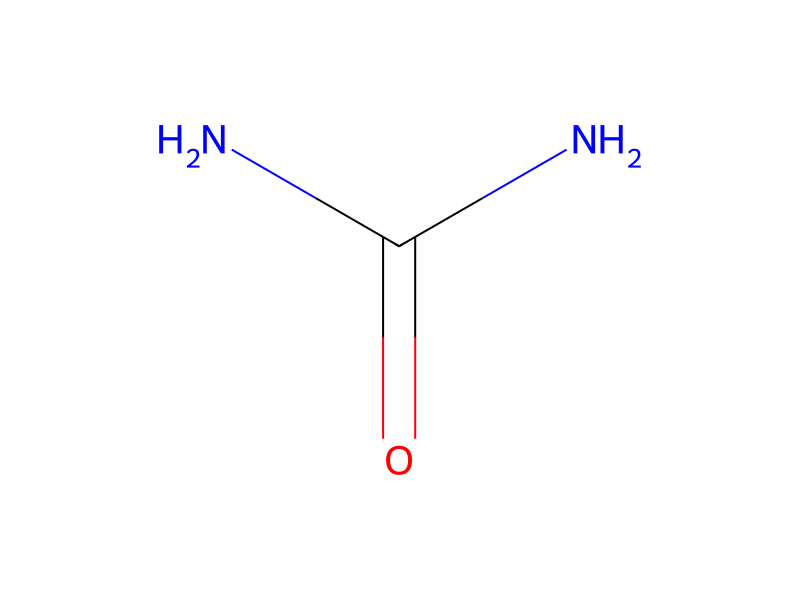
C[N:2]1[C:6]([CH3:7])=[N:5][C:4]([C:8]2[CH:13]=[CH:12][N:11]3[CH:14]=[C:15]([NH:17][C:18]([NH:20][CH2:21][CH3:22])=[O:19])[N:16]=[C:10]3[CH:9]=2)=[N:3]1.Cl.N([O-])=O.[Na+].N[C:29](N)=O.C(=O)(O)[O-].[Na+]>O.C(OCC)(=O)C>[CH3:29][N:3]1[C:4]([C:8]2[CH:13]=[CH:12][N:11]3[CH:14]=[C:15]([NH:17][C:18]([NH:20][CH2:21][CH3:22])=[O:19])[N:16]=[C:10]3[CH:9]=2)=[N:5][C:6]([CH3:7])=[N:2]1A mixture of finely powdered amine (5) (4.00 g, 0.014 mol) and 4 N hydrogen chloride (400 mL) was stirred vigorously at 23° C. for 30 min, by which time the hydrochloride salt had precipitated out as a yellow solid. The mixture was cooled to 5° C. and a solution of sodium nitrite (1.46 g, 0.021 mol) in water (5 mL) was added drop wise. The mixture was stirred at this temperature for 30 min, then urea (0.59 g, 9.91 mmol) was added. The mixture was stirred at 23° C. for a further 1 h, then basified by portion wise addition of solid sodium bicarbonate. ethyl acetate was added and the mixture was stirred vigorously for 30 min, then filtered through Celite to remove insoluble black material. The ethyl acetate layer was worked up, adsorbed onto silica and chromatographed. Ethyl acetate eluted foreruns, while ethyl acetate/methanol (95:5) gave the chloride (6) as a solid (1.21 g). APCI-MS Found: [M+H]+=304, 302.