Reaction equation

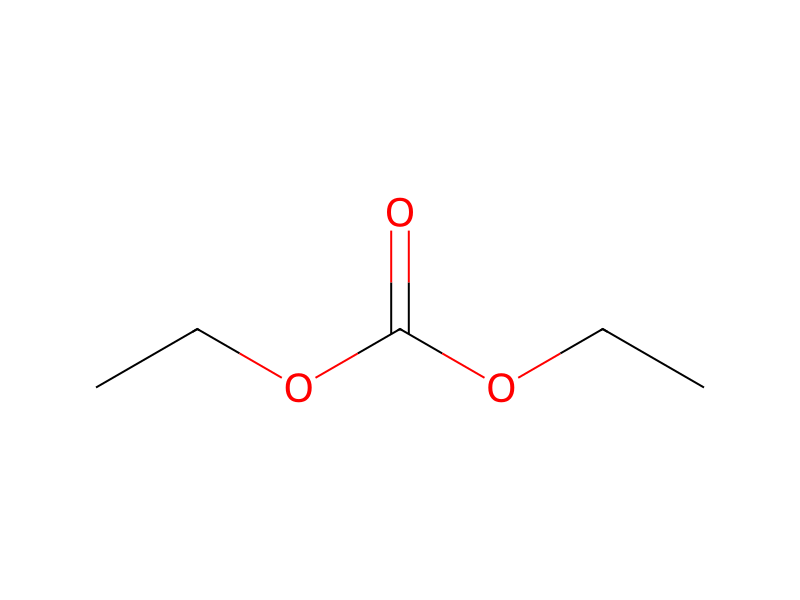
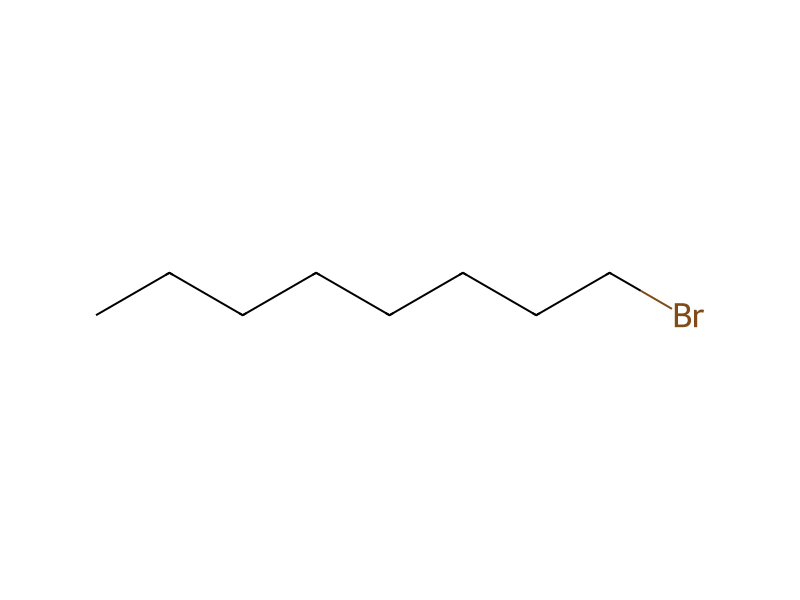
[CH2:1](Br)[CH2:2][CH2:3][CH2:4][CH2:5][CH2:6][CH2:7][CH3:8].[Mg].C(=O)([O:15][CH2:16][CH3:17])OCC.Cl>C(OCC)C>[CH2:1]([C:16]([CH2:17][CH2:1][CH2:2][CH2:3][CH2:4][CH2:5][CH2:6][CH3:7])([CH2:1][CH2:2][CH2:3][CH2:4][CH2:5][CH2:6][CH2:7][CH3:8])[OH:15])[CH2:2][CH2:3][CH2:4][CH2:5][CH2:6][CH2:7][CH3:8]Participants
6
Reactant 4


Product 1

Reagents, catalysts & solvents 1

Conditions
- Temperature
- 30 °C
Procedure
This compound may be prepared in the following manner. Three moles of n-octylbromide are slowly added to 3 moles of magnesium turnings in 0.6 liters of anhydrous ethyl ether (nitrogen atmosphere). One mole of diethyl carbonate in 0.151 anhydrous ethyl ether is slowly added to the mixture. The mixture is stirred for one hour at 30° C., then the mixture is slowly poured into 1.8 liters of a cold 10% HCl solution. The organic layer is dried with magnesium sulfate and the ethyl ether is evaporated off to give tri-n-octylcarbinol.
Workup
- customThis compound may be prepared in the following manner
- dry with materialThe organic layer is dried with magnesium sulfate
- customthe ethyl ether is evaporated off
Sources & evidence
- ORD record
- ord-53f58a0bd1b3472b91143912053c2870
- Source dataset
- uspto-grants-1998_03
- Patent number
- US05728907
Linked notes
Loading…