HomeMCPWorkbenchSkills
HomeWorkbenchNotificationsMe
llms.txt · MCP GuidePrivacy Policy · Terms of Service · Supportv1.8.1
  1. Home
  2. /Reaction

Bromine → 3-Bromo-N-cyclopropyl-5-fluoro-4-methylbenzamide

HRID 31422
Print

Reaction equation

HRID 31422 reaction equation
[F:1][C:2]1[CH:3]=[C:4]([CH:8]=[CH:9][C:10]=1[CH3:11])[C:5]([OH:7])=O.[Br:12]Br.[CH:14]1([NH2:17])[CH2:16][CH2:15]1.C1C=CC2N(O)N=NC=2C=1.Cl.CN(C)CCCN=C=NCC.CCN(C(C)C)C(C)C>[Fe].S([O-])([O-])(=O)=S.[Na+].[Na+]>[Br:12][C:9]1[CH:8]=[C:4]([CH:3]=[C:2]([F:1])[C:10]=1[CH3:11])[C:5]([NH:17][CH:14]1[CH2:16][CH2:15]1)=[O:7]
ParticipantsConditionsProcedureWorkupSources & evidenceReaction notes

Participants

9

Reactant 6

HCID 24408BromineHCID 676873-Fluoro-p-toluic acidHCID 69828CyclopropylamineHCID 757711-HydroxybenzotriazoleHCID 81531DiisopropylethylamineHCID 27239391,3-Propanediamine, N'-(ethylcarbonimidoyl)-N,N-dimethyl-, monohydrochloride

Product 1

HCID 21914575
3-Bromo-N-cyclopropyl-5-fluoro-4-methylbenzamide
Yield 44%

Reagents, catalysts & solvents 2

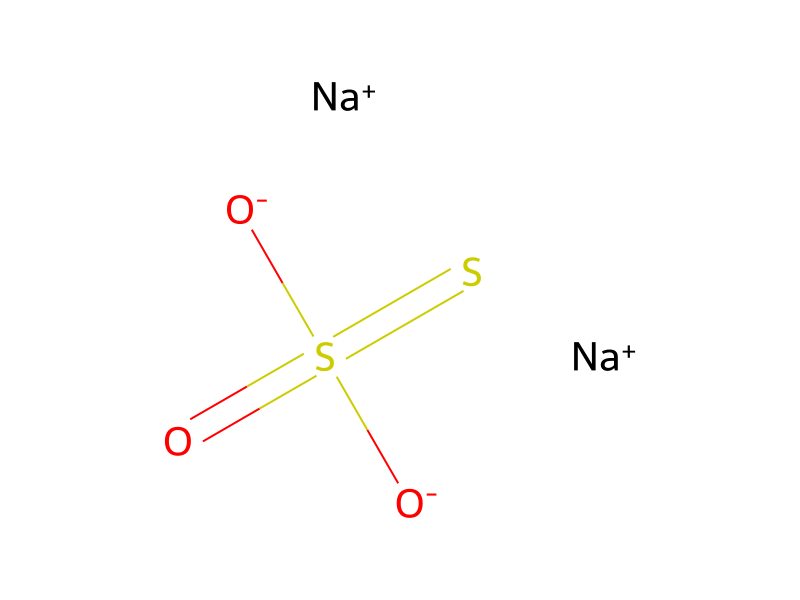
HCID 23925IronCatalystHCID 24477Sodium ThiosulfateSolvent

Conditions

Temperature
20 °C

Procedure

3-Fluoro-4-methylbenzoic acid (462 mg, 3.0 mmol) was added to a stirred mixture of bromine (2.31 ml, 45 mmol) and iron powder (252 mg, 4.5 mmol) under nitrogen. The reaction was stirred at 20° C. for 4 hours and then left to stand for 16 hours. Sodium thiosulphate solution (200 ml) was added and the product was extracted into ethyl acetate (3×150 ml). Ethyl acetate extracts were combined and evaporated in vacuo. The crude product (mixture of isomers) was dissolved in dimethylformamide (7 ml). Cyclopropylamine (208 μl, 3.0 mmol), HOBT (405 mg, 3.0 mmol), 1-(3-dimethylaminopropyl)-3-ethylcarbodiimide hydrochloride (575 mg, 3.0 mmol) and DIPEA (525 μl, 3.0 mmol) were added to the stirred solution. The reaction was stirred for 5 hours at 20° C. Solvent was removed in vacuo and the residue was partitioned between ethyl acetate and water. Combined ethyl acetate extracts were washed sequentially with aqueous sodium hydrogen carbonate and hydrochloric acid (0.5M), then dried (magnesium sulphate). The ethyl acetate was evaporated in vacuo and the residue was purified by silica biotage chromatography eluting with cyclohexane:ethyl acetate (6: 1) to give 3-bromo-N-cyclopropyl-5-fluoro4methylbenzamide (359 mg, 44%).


Workup

  1. waitleft
  2. waitto stand for 16 hours
  3. extractionthe product was extracted into ethyl acetate (3×150 ml)
  4. customevaporated in vacuo
  5. dissolutionThe crude product (mixture of isomers) was dissolved in dimethylformamide (7 ml)
  6. stirringThe reaction was stirred for 5 hours at 20° C
  7. customSolvent was removed in vacuo
  8. customthe residue was partitioned between ethyl acetate and water
  9. washCombined ethyl acetate extracts were washed sequentially with aqueous sodium hydrogen carbonate and hydrochloric acid (0.5M)
  10. dry with materialdried (magnesium sulphate)
  11. customThe ethyl acetate was evaporated in vacuo
  12. customthe residue was purified by silica biotage chromatography
  13. washeluting with cyclohexane:ethyl acetate (6: 1)

Sources & evidence

ORD record
ord-45e89e4db5f24b42a55a018f50bf17e0
Source dataset
uspto-grants-2008_09
DOI
10.6084/m9.figshare.5104873.v1
Patent number
US07425555B2

Reaction notes

On this pageParticipantsConditionsProcedureWorkupSources & evidenceReaction notes