HomeMCPWorkbenchSkills
HomeWorkbenchNotificationsMe
llms.txt · MCP GuidePrivacy Policy · Terms of Service · Supportv1.8.3
  1. Home
  2. /Reaction

Potassium Iodide → 2-[4-(3-Piperidin-1-yl-propoxy)-benzyl]-1,2,3,4-tetrahydro-isoquinoline

HRID 33702
Print

Reaction equation

HRID 33702 reaction equation
Cl[CH2:2][CH2:3][CH2:4][O:5][C:6]1[CH:13]=[CH:12][C:9]([CH:10]=O)=[CH:8][CH:7]=1.[CH2:14]1[C:23]2[C:18](=[CH:19][CH:20]=[CH:21][CH:22]=2)[CH2:17][CH2:16][NH:15]1.C(O[BH-](OC(=O)C)OC(=O)C)(=O)C.[Na+].C(=O)(O)[O-].[Na+].[NH:43]1[CH2:48][CH2:47][CH2:46][CH2:45][CH2:44]1.C(=O)([O-])[O-].[Na+].[Na+].[I-].[K+]>ClCCCl.C(O)CCC.O.C(O)(=O)C>[N:43]1([CH2:2][CH2:3][CH2:4][O:5][C:6]2[CH:13]=[CH:12][C:9]([CH2:10][N:15]3[CH2:16][CH2:17][C:18]4[C:23](=[CH:22][CH:21]=[CH:20][CH:19]=4)[CH2:14]3)=[CH:8][CH:7]=2)[CH2:48][CH2:47][CH2:46][CH2:45][CH2:44]1
ParticipantsConditionsProcedureWorkupSources & evidenceReaction notes

Participants

12

Reactant 7

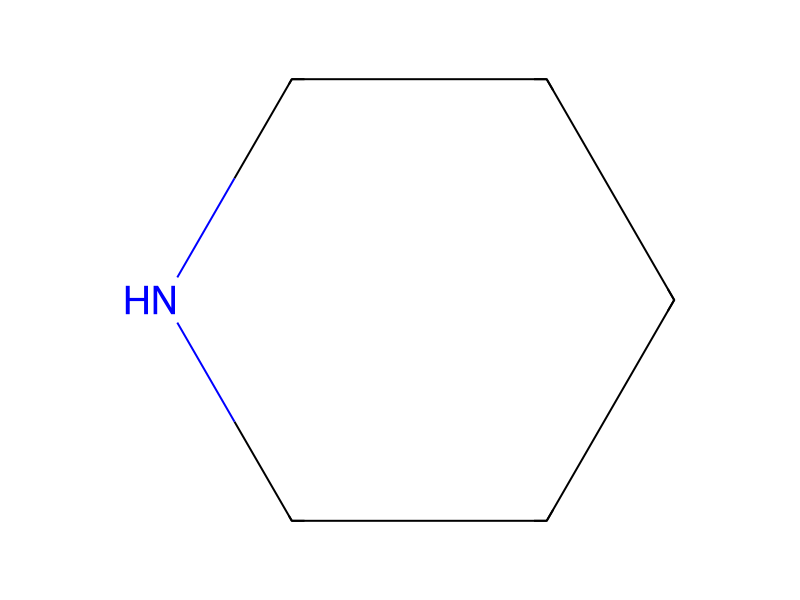
HCID 4875Potassium IodideHCID 70461,2,3,4-TetrahydroisoquinolineHCID 8082PiperidineHCID 10340Sodium CarbonateHCID 516892Sodium BicarbonateHCID 35514794-(3-Chloropropoxy)-benzaldehydeHCID 5049666
Sodium triacetoxyborohydride

Product 1

HCID 99472272-[4-(3-Piperidin-1-yl-propoxy)-benzyl]-1,2,3,4-tetrahydro-isoquinoline

Reagents, catalysts & solvents 4

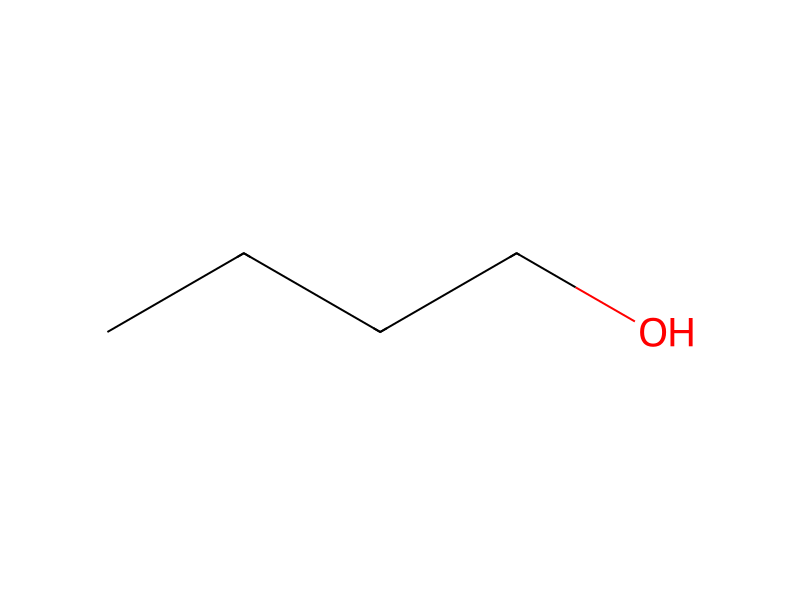
HCID 111,2-DichloroethaneSolventHCID 176Acetic AcidSolventHCID 2631-ButanolSolventHCID 962WaterSolvent

Conditions

Temperature
105 °C

Procedure

A solution of the product of Example 11 (1.0 g), 1,2,3,4-tetrahydro-isoquinoline (0.0.69 mL), and acetic acid (0.29 mL) in DCE (10 mL) was treated with sodium triacetoxyborohydride (1.5 g). After 16 h, saturated aqueous sodium bicarbonate was added. The resulting mixture was extracted with DCM (3×10 mL). The combined organic phases were dried (magnesium sulfate) and evaporated, giving a material which was dissolved in n-butanol (20 mL), treated with piperidine (0.65 mL), sodium carbonate (800 mg), and potassium iodide (42 mg), and heated to 105° C. After 16 h, the reaction was cooled to RT, treated with water (10 mL), and extracted with DCM (3×20 mL). The combined organic phases were dried (magnesium sulfate) and evaporated. The residue was treated with ether (20 mL), and filtered. The filtrate was treated with hydrogen chloride (2.5 mL of a 2 M solution in ether) followed by methanol (3 mL). The resulting solution was stirred for 1 h, and evaporated. The residue was dried in vacuo, and ether was added, followed by enough methanol to cause a precipitate to form. Filtration gave the title compound as an amorphous pink powder (0.86 g). 1H NMR (400 MHz, CDCl3): 7.27 (d, J=8.6 Hz, 2H), 7.13-7.05 (m, 4H), 6.99-6.96 (m, 1H), 6.89-6.83 (m, 2H), 4.00 (t, J=6.3 Hz, 2H), 3.60 (s, 4H), 2.89 (t, J=5.7 Hz, 2H), 2.72 (t, J=5.8 Hz, 2H), 2.53-2.37 (m, 6H), 2.03-1.95 (m, 2H), 1.64-1.57 (m, 4H), 1.49-1.40 (m, 2H).


Workup

  1. extractionThe resulting mixture was extracted with DCM (3×10 mL)
  2. dry with materialThe combined organic phases were dried (magnesium sulfate)
  3. customevaporated
  4. customgiving a material which
  5. waitAfter 16 h
  6. temperaturethe reaction was cooled to RT
  7. extractionextracted with DCM (3×20 mL)
  8. dry with materialThe combined organic phases were dried (magnesium sulfate)
  9. customevaporated
  10. additionThe residue was treated with ether (20 mL)
  11. filtrationfiltered
  12. additionThe filtrate was treated with hydrogen chloride (2.5 mL of a 2 M solution in ether)
  13. customevaporated
  14. dry with materialThe residue was dried in vacuo, and ether
  15. additionwas added
  16. customto form
  17. filtrationFiltration

Sources & evidence

ORD record
ord-93d74d38344949b59492b1fe3eb43a6b
Source dataset
uspto-grants-2008_09
DOI
10.6084/m9.figshare.5104873.v1
Patent number
US07429586B2

Reaction notes

On this pageParticipantsConditionsProcedureWorkupSources & evidenceReaction notes