HomeMCPWorkbenchSkills
HomeWorkbenchNotificationsMe
llms.txt · MCP GuidePrivacy Policy · Terms of Service · Supportv1.8.0
  1. Home
  2. /Reaction

1,2-Dichloroethane → (2S, 4S)-4-Mercapto-2-[3-(4-nitrobenzyloxycarbonylamino)azetidin-1-ylcarbonyl]-1-(4-nitrobenzyloxycarbonyl)pyrrolidine

HRID 362108
Notes
Print preview

Reaction equation

HRID 362108 reaction equation
COC1C=CC(C[S:8][C@@H:9]2[CH2:13][N:12]([C:14]([O:16][CH2:17][C:18]3[CH:23]=[CH:22][C:21]([N+:24]([O-:26])=[O:25])=[CH:20][CH:19]=3)=[O:15])[C@H:11]([C:27]([N:29]3[CH2:32][CH:31]([NH:33][C:34]([O:36][CH2:37][C:38]4[CH:43]=[CH:42][C:41]([N+:44]([O-:46])=[O:45])=[CH:40][CH:39]=4)=[O:35])[CH2:30]3)=[O:28])[CH2:10]2)=CC=1.FC(F)(F)C(O)=O.FC(F)(F)S(O)(=O)=O.ClCCCl>C1(OC)C=CC=CC=1>[SH:8][C@@H:9]1[CH2:13][N:12]([C:14]([O:16][CH2:17][C:18]2[CH:23]=[CH:22][C:21]([N+:24]([O-:26])=[O:25])=[CH:20][CH:19]=2)=[O:15])[C@H:11]([C:27]([N:29]2[CH2:30][CH:31]([NH:33][C:34]([O:36][CH2:37][C:38]3[CH:39]=[CH:40][C:41]([N+:44]([O-:46])=[O:45])=[CH:42][CH:43]=3)=[O:35])[CH2:32]2)=[O:28])[CH2:10]1
ParticipantsProcedureWorkupSources & evidenceReaction notes

Participants

6

Reactant 4

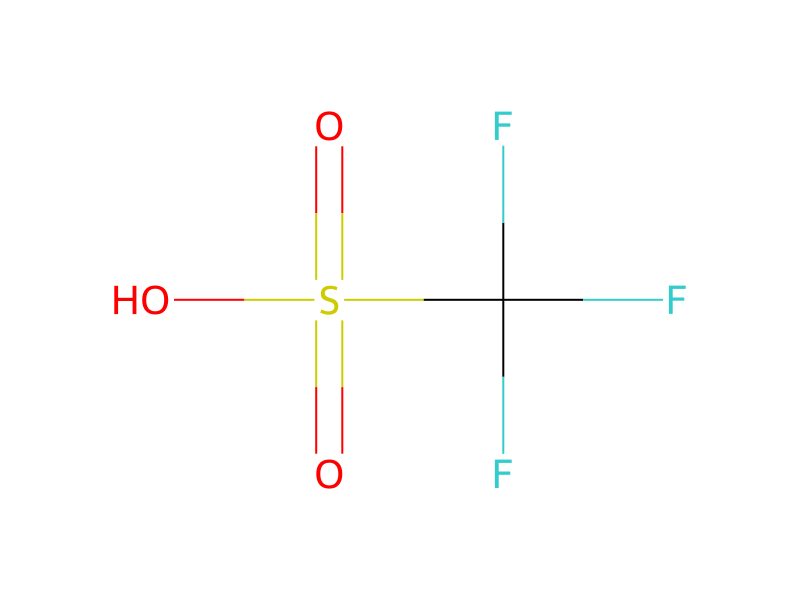
HCID 111,2-DichloroethaneHCID 6422Trifluoroacetic acidHCID 62406Trifluoromethanesulfonic acidHCID 10952523(2S, 4S)-4-(4-Methoxybenzylthio)-2-[3-(4-nitrobenzyloxycarbonylamino)azetidin-1-ylcarbonyl]-1-(4-nitrobenzyloxycarbonyl)pyrrolidine

Product 1

HCID 10929753
(2S, 4S)-4-Mercapto-2-[3-(4-nitrobenzyloxycarbonylamino)azetidin-1-ylcarbonyl]-1-(4-nitrobenzyloxycarbonyl)pyrrolidine
Yield 90.6%

Reagents, catalysts & solvents 1

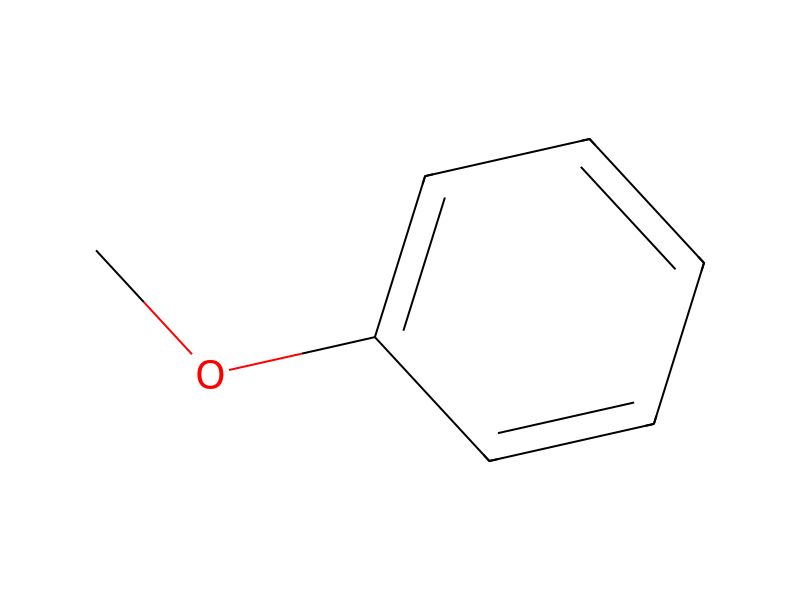
HCID 7519AnisoleSolvent

Procedure

0.59 g of (2S, 4S)-4-(4-methoxybenzylthio)-2-[3-(4-nitrobenzyloxycarbonylamino)azetidin-1-ylcarbonyl]-1-(4-nitrobenzyloxycarbonyl)pyrrolidine [prepared as described in step (b) above] was suspended in 0.94 ml of anisole, and 3.32 ml of trifluoroacetic acid and 0.15 ml of trifluoromethanesulfonic acid were added dropwise to the suspension, whilst ice-cooling, after which the mixture was stirred at the same temperature for 1 hour. At the end of this time, 1,2-dichloroethane was added to the reaction mixture, and the solvent was removed by distillation under reduced pressure. The residue was then washed by repeated decantation, in turn, with hexane and with diethyl ether. The residue was diluted with ethyl acetate and made alkaline by the addition of an aqueous solution of sodium hydrogencarbonate. The ethyl acetate layer was separated and washed with water and with an aqueous solution of sodium chloride, in that order, after which it was dried over anhydrous magnesium sulfate and concentrated by evaporation under reduced pressure to give 0.44 g of the title compound, in the form of an amorphous powder.


Workup

  1. temperaturecooling
  2. customthe solvent was removed by distillation under reduced pressure
  3. washThe residue was then washed
  4. additionThe residue was diluted with ethyl acetate
  5. additionby the addition of an aqueous solution of sodium hydrogencarbonate
  6. customThe ethyl acetate layer was separated
  7. washwashed with water and with an aqueous solution of sodium chloride, in that order
  8. dry with materialafter which it was dried over anhydrous magnesium sulfate
  9. concentrationconcentrated by evaporation under reduced pressure

Sources & evidence

ORD record
ord-18161c4bf15447d6a271b1db2b03f4c7
Source dataset
uspto-grants-1999_02
DOI
10.6084/m9.figshare.5104873.v1
Patent number
US05866564

Reaction notes

Loading…

On this pageParticipantsProcedureWorkupSources & evidenceReaction notes