Reaction equation

[Li:1]CCCC.[CH:6]([NH:9][CH:10]([CH3:12])[CH3:11])([CH3:8])[CH3:7].[C:13]([O:16][CH2:17][CH3:18])(=[O:15])[CH3:14].I[CH2:20][C:21]1[N:22]=[C:23]([C:26]2[CH:31]=[CH:30][CH:29]=[CH:28][CH:27]=2)[S:24][CH:25]=1>CN1CCCN(C)C1=O.C1COCC1>[Li+:1].[CH3:7][CH:6]([N-:9][CH:10]([CH3:12])[CH3:11])[CH3:8].[CH2:17]([O:16][C:13](=[O:15])[CH2:14][CH2:20][C:21]1[N:22]=[C:23]([C:26]2[CH:27]=[CH:28][CH:29]=[CH:30][CH:31]=2)[S:24][CH:25]=1)[CH3:18]Participants
Reactant 4




Product 2


Reagents, catalysts & solvents 2

Conditions
- Temperature
- -78 °C
Procedure
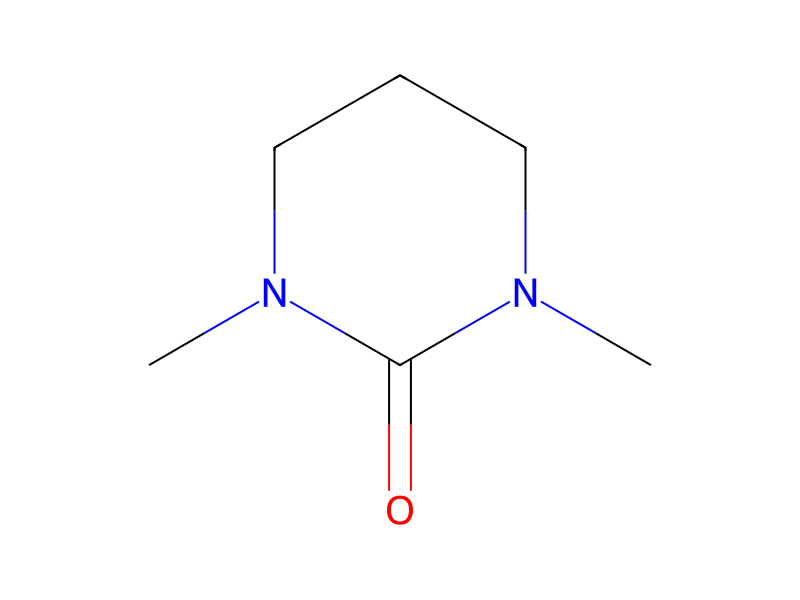
LDA was prepared by adding 4.7 ml of n-BuLi (1.6 M, hexane) to a solution of 0.76 g (7.5 mmol) of diisopropylamine in 3 ml of abs. THF at −5° C. Then, the mixture was cooled to −78° C., 0.77 g (8.74 mmol) of ethyl acetate were added and the mixture was kept for 15 minutes at that temperature to ensure complete deprotonation. Afterwards, 0.79 g (2.5 mmol) of 4-iodomethyl-2-phenyl-thiazole dissolved in 5 ml of abs. THF and 3 ml of 1,3-dimethyl-3,4,5,6-tetrahydro-2(1H)-pyrimidinon (DMPU) were added and stirring was continued for 0.5 hours at −78° C. Then, the reaction mixture was quenched with ammonium chloride solution, extracted twice with AcOEt, washed with water, dried over anhydrous sodium sulfate, and evaporated to dryness. The residue was chromatographed on silicagel with dichloromethane as eluent. 0.46 g of 3-(2-phenyl-thiazol-4-yl)-propionic acid ethyl ester were obtained as light yellow liquid (70% of theory).
Workup
- customat −5° C
- waitwas continued for 0.5 hours at −78° C
- customThen, the reaction mixture was quenched with ammonium chloride solution
- extractionextracted twice with AcOEt
- washwashed with water
- dry with materialdried over anhydrous sodium sulfate
- customevaporated to dryness
- customThe residue was chromatographed on silicagel with dichloromethane as eluent
Sources & evidence
- ORD record
- ord-4651043e0a9f4b7fb5abe05bc419df7a
- Source dataset
- uspto-grants-2004_10
- Patent number
- US06809110B2
Linked notes
Loading…