Reaction equation
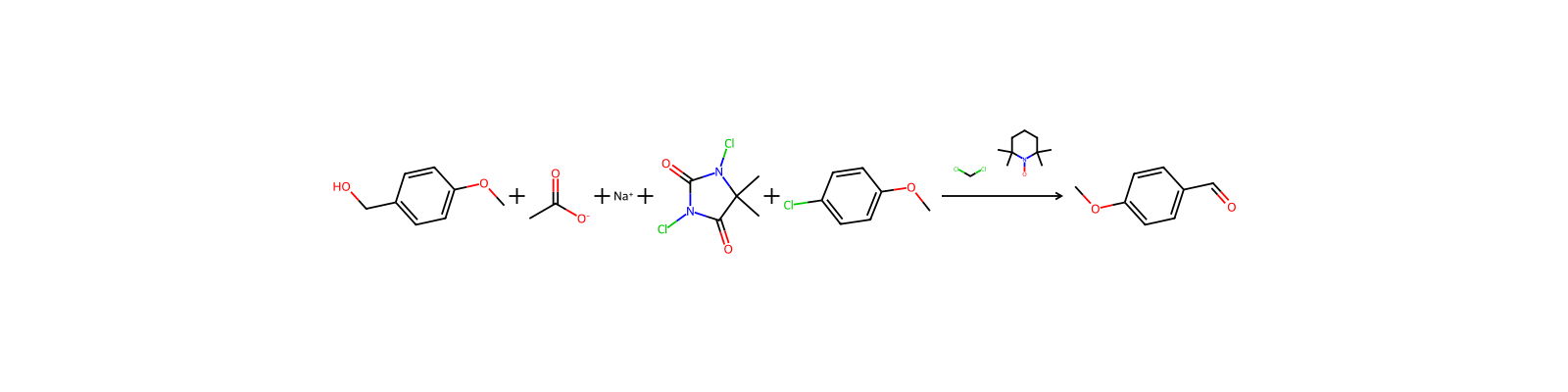
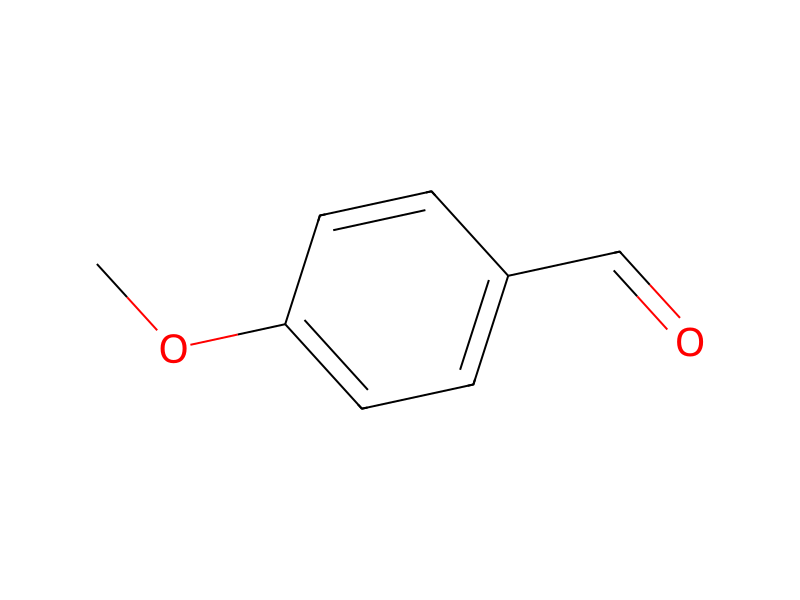
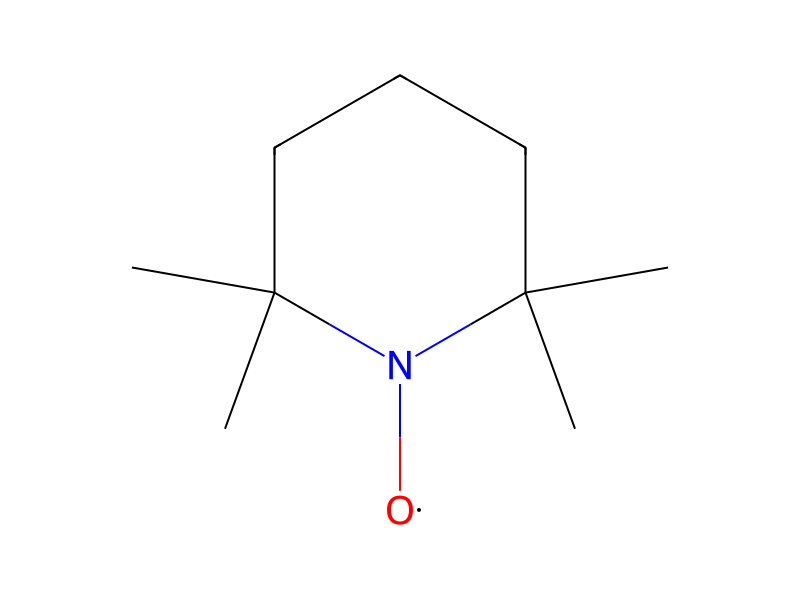
[CH2:1]([OH:10])[C:2]1[CH:7]=[CH:6][C:5]([O:8][CH3:9])=[CH:4][CH:3]=1.C([O-])(=O)C.[Na+].ClN1C(=O)C(C)(C)N(Cl)C1=O.ClC1C=CC(OC)=CC=1>C(Cl)Cl.CC1(C)N([O])C(C)(C)CCC1>[CH3:9][O:8][C:5]1[CH:4]=[CH:3][C:2]([CH:1]=[O:10])=[CH:7][CH:6]=1Participants
7
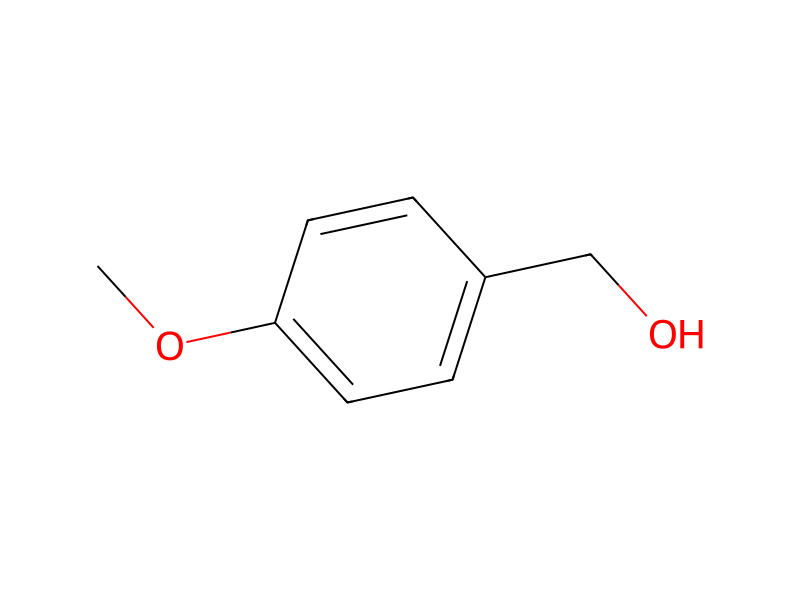
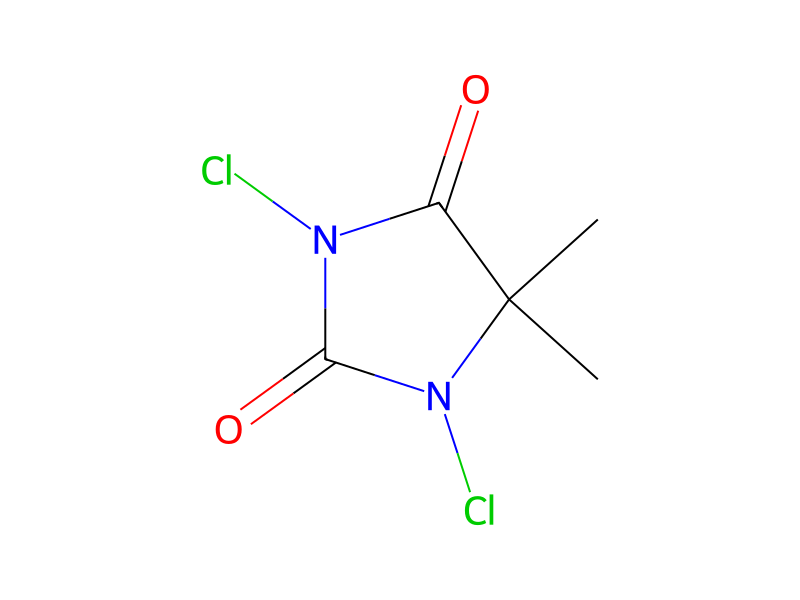
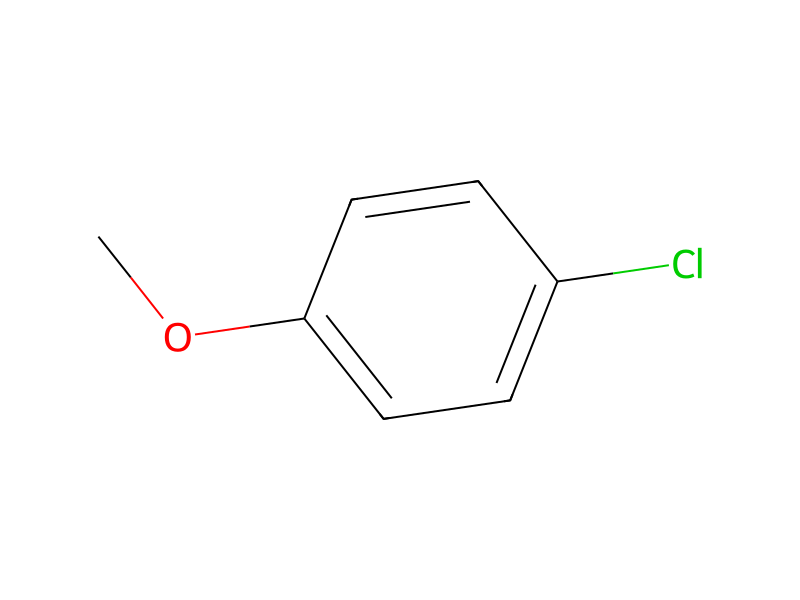


Conditions
- Temperature
- 0 °C
Procedure
5 g (36.2 mmol) of anisyl alcohol, 3.0 g (36.6 mmol) of sodium acetate and 4.2 g (21.3 mmol) of dichlorodimethylhydantoin were suspended in 40 ml of methylene chloride in a 100 ml sulphonation flask. The suspension was cooled to 0° C. while stirring and treated with 10 mg (0.06 mmol) of TEMPO, whereupon the mixture was held at 0° C. for 16 hours. Thereafter, the reaction had finished without 4-chloro-anisole being formed in any amount worth mentioning. The white precipitate was filtered off and the filtrate was washed with sodium bicarbonate solution and with sodium chloride solution. Distillation of the crude product gave 4.49 g (91%) of anisaldehyde GC content: 88.8% (area percent).
Workup
- customformed in any amount
- filtrationThe white precipitate was filtered off
- washthe filtrate was washed with sodium bicarbonate solution and with sodium chloride solution
- distillationDistillation of the crude product
Sources & evidence
- ORD record
- ord-7fb77186813d48168788ca19dfc8ce42
- Source dataset
- uspto-grants-1998_10
- Patent number
- US05821374
Linked notes
Loading…