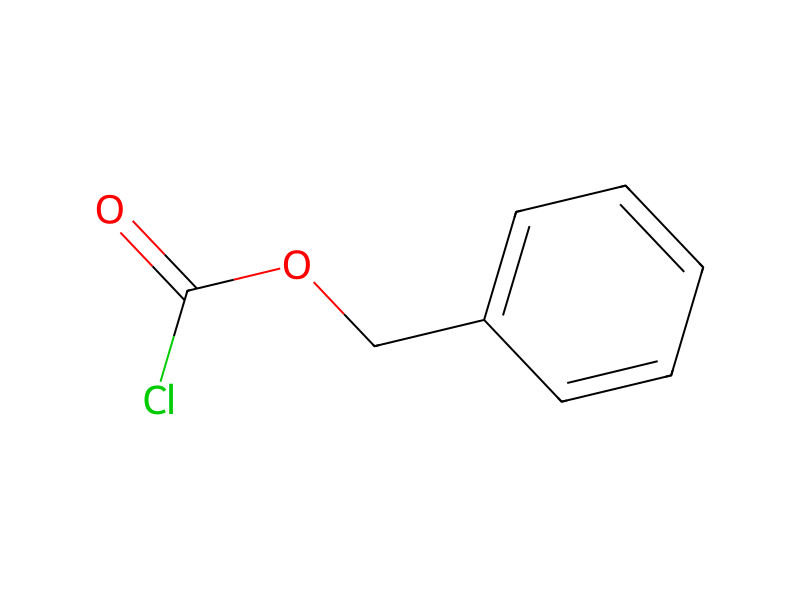
[O:1]=[C:2]1[C:11]2[C:6](=[CH:7][CH:8]=[CH:9][CH:10]=2)[NH:5][CH2:4][CH2:3]1.[CH2:12]([O:19][C:20](Cl)=[O:21])[C:13]1[CH:18]=[CH:17][CH:16]=[CH:15][CH:14]=1.O.C(=O)([O-])[O-].[K+].[K+]>O1CCCC1.C(OCC)(=O)C>[CH2:12]([O:19][C:20]([N:5]1[C:6]2[C:11](=[CH:10][CH:9]=[CH:8][CH:7]=2)[C:2](=[O:1])[CH2:3][CH2:4]1)=[O:21])[C:13]1[CH:18]=[CH:17][CH:16]=[CH:15][CH:14]=15.04 g of 4-oxo-1,2,3,4-tetrahydroquinoline was dissolved in 20 mL of tetrahydrofuran at 25° C. To the solution were added 5.6 mL of benzyloxycarbonyl chloride, 15 mL of water and 4.73 g of potassium carbonate under ice-cooling, and the mixture was stirred at 25° C. for 24 hours. To the reaction solution was added ethyl acetate, and the organic layer was separated, dried over magnesium sulfate, and then filtered. The filtrate was concentrated and the residue was dissolved in 35 mL of isopropyl alcohol under heating. The solution was cooled gradually, and the precipitated crystals were collected by filtration under ice-cooled condition. The resulting crystals were washed with 25 mL of cold isopropyl alcohol, and then dried at 50° C. for 16 hours to give 8.98 g of 1-benzyloxycarbonyl-4-oxo-1,2,3,4-tetrahydroquinoline (93% yield).