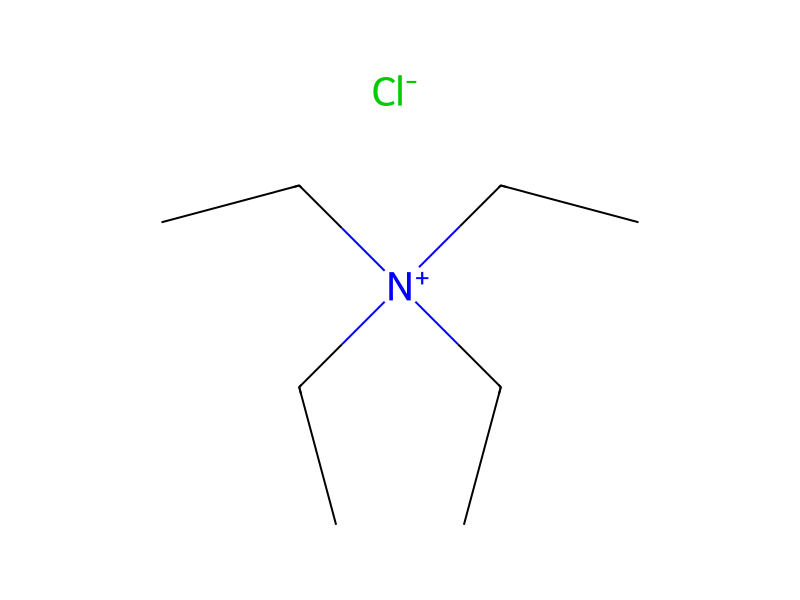
[Mg].[C:2](=[O:4])=[O:3].Cl[C:6]([C:9]1[CH:14]=[CH:13][C:12]([C:15](=[O:20])[CH2:16][CH2:17][CH2:18][Cl:19])=[CH:11][CH:10]=1)([CH3:8])[CH3:7].Cl>[Cl-].C([N+](CC)(CC)CC)C.CN(C)C=O.[Ag]>[Cl:19][CH2:18][CH2:17][CH2:16][C:15]([C:12]1[CH:11]=[CH:10][C:9]([C:6]([CH3:8])([CH3:7])[C:2]([OH:4])=[O:3])=[CH:14][CH:13]=1)=[O:20]Fit a jacketed glass cell of 50 mL capacity with an expanded silver mesh cathode (14 cm2 geometric area), a roughly concentric magnesium sacrificial anode, a tube to deliver carbon dioxide gas, and a magnetic stir bar. Cool the cell to −10° C. under carbon dioxide. Add a solution of tetraethylammonium chloride (40 mL of a 0.2M solution in dimethylformamide) and 1-[4-(1-chloro-1-methyl-ethyl)-phenyl]-4-chloro-butan-1-one (2.91 g, 85% pure by NMR, 9.81 mmol) and carry out electrolysis for 178 minutes at an average current density of 12.4 mA cm−2: the total charge passed is equal to 98% of the calculated theoretical two electron value. Warm the contents of the cell to ambient temperature, drain the contents, acidify with chilled aqueous 6M hydrochloric acid, extract and evaporate the solvent in vacuo to give the title compound (1.89 g, 72%).