HomeMCPWorkbenchSkills
HomeWorkbenchNotificationsMe
llms.txt · MCP GuidePrivacy Policy · Terms of Service · Supportv1.8.1
  1. Home
  2. /Reaction

Citric Acid → 3-chloro-N'-((2R,3S)-2-(3-chloro-4-cyano-2-methylphenylamino)-3-hydroxybutanoyl)benzohydrazide

HRID 470767
Print

Reaction equation

HRID 470767 reaction equation
[Cl:1][C:2]1[C:3]([CH2:18]C)=[C:4]([NH:10][C@H:11]([C@@H:15]([OH:17])[CH3:16])[C:12]([OH:14])=O)[CH:5]=[CH:6][C:7]=1[C:8]#[N:9].[Cl:20][C:21]1[CH:22]=[C:23]([CH:28]=[CH:29][CH:30]=1)[C:24]([NH:26][NH2:27])=[O:25].O.ON1C2C=CC=CC=2N=N1.Cl.CN(C)CCCN=C=NCC.C(N(CC)CC)C.C(O)(=O)CC(CC(O)=O)(C(O)=O)O>CCOC(C)=O.O.C1COCC1>[Cl:20][C:21]1[CH:22]=[C:23]([CH:28]=[CH:29][CH:30]=1)[C:24]([NH:26][NH:27][C:12](=[O:14])[C@H:11]([NH:10][C:4]1[CH:5]=[CH:6][C:7]([C:8]#[N:9])=[C:2]([Cl:1])[C:3]=1[CH3:18])[C@@H:15]([OH:17])[CH3:16])=[O:25]
ParticipantsConditionsProcedureWorkupSources & evidenceReaction notes

Participants

10

Reactant 6

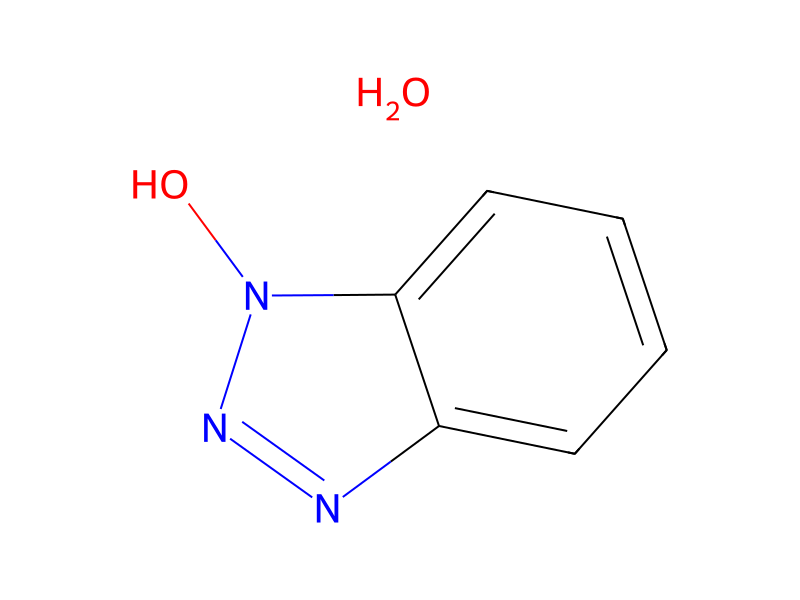
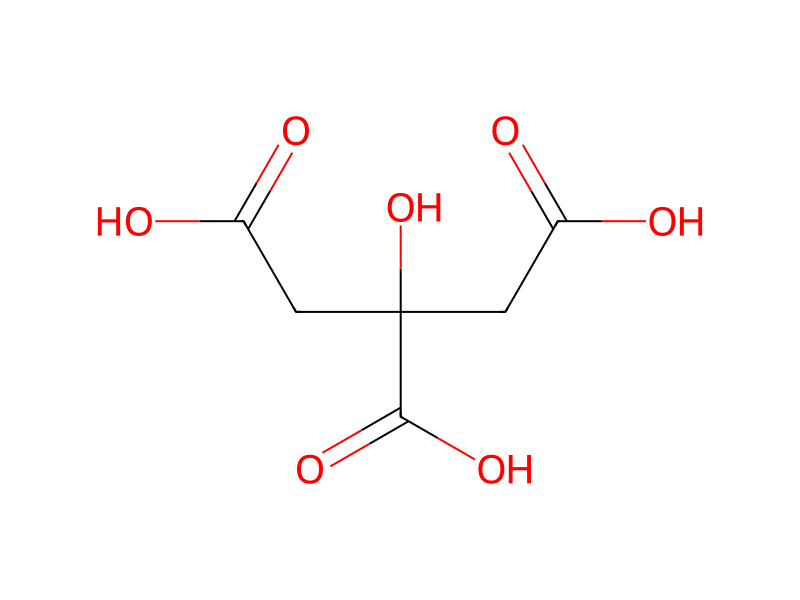
HCID 311Citric AcidHCID 8471TriethylamineHCID 742893-ChlorobenzohydrazideHCID 27239391,3-Propanediamine, N'-(ethylcarbonimidoyl)-N,N-dimethyl-, monohydrochlorideHCID 27960291-Hydroxybenzotriazole hydrateHCID 67006383(2R,3S)-2-(3-chloro-4-cyano-2-ethylphenylamino)-3-hydroxybutanoic acid

Product 1

HCID 670065243-chloro-N'-((2R,3S)-2-(3-chloro-4-cyano-2-methylphenylamino)-3-hydroxybutanoyl)benzohydrazideYield 68.1%

Reagents, catalysts & solvents 3

HCID 962WaterSolventHCID 8028TetrahydrofuranSolventHCID 8857Ethyl AcetateSolvent

Conditions

Temperature
-15 °C

Procedure

(2R,3S)-2-(3-chloro-4-cyano-2-ethylphenylamino)-3-hydroxybutanoic acid (800 mg, 2.98 mmol), 3-Chlorobenzhydrazide (508 mg, 2.98 mmol) and anhydrous THF (40 were placed in a 100 mL round bottomed flask and the mixture was cooled to −15° C. 1-Hydroxybenzotriazole hydrate (403 mg, 2.98 mmol) was added to the mixture together with N-(3-Dimethylaminopropyl)-N′-ethylcarbodimide HCl (857 mg, 4.47 mmol) at −15° C. followed by triethylamine (0.62 mL, 4.47 mmol). The reaction mixture was maintained at −15° C. and stirred for 1 h after which, stirring continued overnight while the mixture slowly warmed to room temperature. Water (40 mL) was added to the reaction mixture followed by citric acid (4 g) while stirring. EtOAc (60 mL) was then added to the mixture and the phases were partitioned. The organic phase was then washed with saturated aqueous sodium bicarbonate (40 mL) and the organic phase dried (Na2SO4). EtOAc was removed under vacuum and replaced by chloroform (60 mL). The insoluble hydrazide was then separated from the mixture by filtration and dried under reduced pressure to furnish a white solid (855 mg, 68%). 1H NMR (500 MHz, acetone-d6, δ in ppm) 9.7 (br s, 2H), 7.96 (s, 1H), 7.83 (d, J=8.5 Hz, 1H), 7.46-7.7 (m, 2H), 6.64 (d, J=8.6 Hz, 1H), 5.3 (d, J=7 Hz, 1H), 4.19-4.03 (m, 1H), 3.98-3.87 (m, 1H), 2.35 (s, 3H) and 1.26 (d, J=6.35 Hz, 3H).

Workup

  1. temperatureThe reaction mixture was maintained at −15° C.
  2. stirringstirring
  3. waitcontinued overnight while the mixture
  4. temperatureslowly warmed to room temperature
  5. stirringwhile stirring
  6. customthe phases were partitioned
  7. washThe organic phase was then washed with saturated aqueous sodium bicarbonate (40 mL)
  8. dry with materialthe organic phase dried (Na2SO4)
  9. customEtOAc was removed under vacuum
  10. customThe insoluble hydrazide was then separated from the mixture by filtration
  11. customdried under reduced pressure

Sources & evidence

ORD record
ord-40b5022b85b84071b13f094549e5214c
Source dataset
uspto-grants-2014_01
DOI
10.6084/m9.figshare.5104873.v1
Patent number
US08629167B2

Reaction notes

On this pageParticipantsConditionsProcedureWorkupSources & evidenceReaction notes