Reaction equation

[CH3:1][NH2:2].[Cl:3][CH:4]=[CH:5][CH2:6]Cl.C1(P(C2C=CC=CC=2)C2C=CC=CC=2)C=CC=CC=1.[C:27]([C:31]#[CH:32])([CH3:30])([CH3:29])[CH3:28]>[Cu]I.[Pd](Cl)Cl.O1CCCC1>[ClH:3].[CH3:28][C:27]([CH3:30])([CH3:29])[C:31]#[C:32]/[CH:4]=[CH:5]/[CH2:6][NH:2][CH3:1]Participants
8
Reactant 4
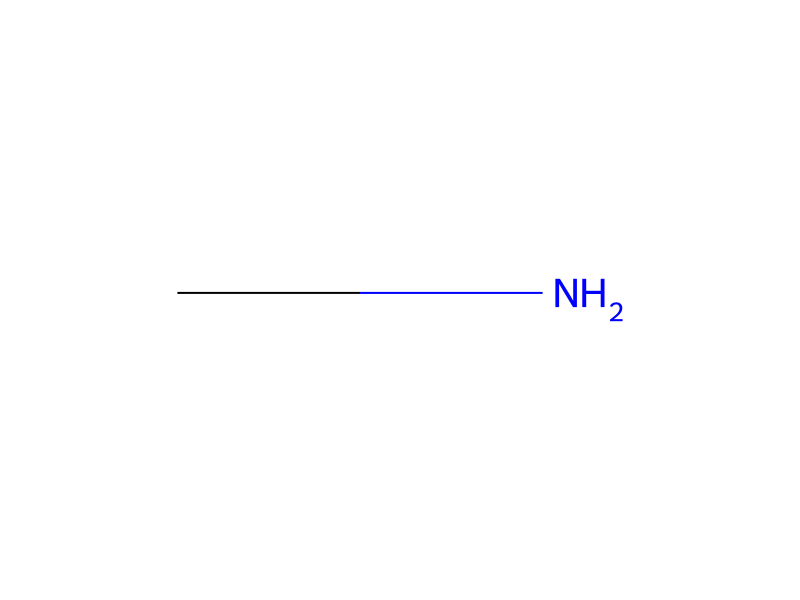



Product 1

Reagents, catalysts & solvents 3



Procedure
By using 104 ml (3.02 mol) of 40% methylamine aqueous solution instead of n-propylamine, 85 ml of tetrahydrofuran, 9.10 ml (98.8 mmol) of 1,3-dichloropropene (E/Z =9/1), 950 mg (5 mmol) of copper (I) iodide, 355 mg (2 mmol) of palladium chloride, 1.05 g (4 mmol) of triphenylphosphine and 15.0 ml (0.121 mol) of tert-butylacetylene, the treatment was conducted in the same manner as in Example 1 to obtain 12.9 g (yield: 70%) of the above identified compound as off-white crystalline powder.
Workup
- customto obtain 12.9 g (yield: 70%) of the
Sources & evidence
- ORD record
- ord-be081e966b924843907e67a4b92e6cb2
- Source dataset
- uspto-grants-1994_03
- Patent number
- US05296612
Linked notes
Loading…