Triethylamine → 5-Fluoro-3-((trimethylsilyl)ethynyl)pyridin-2-amine
Reaction equation

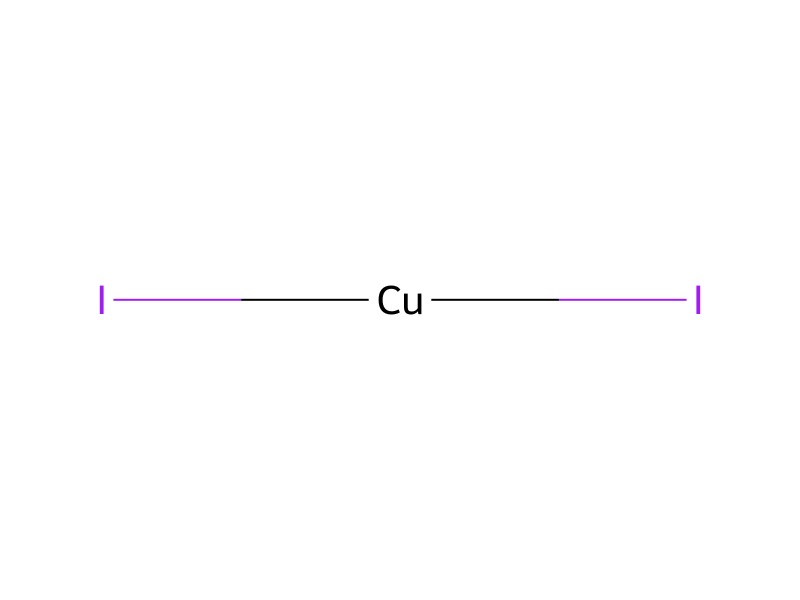
[F:1][C:2]1[CH:3]=[C:4](I)[C:5]([NH2:8])=[N:6][CH:7]=1.[C:10]([Si:12]([CH3:15])([CH3:14])[CH3:13])#[CH:11].[Cl-].[Li+].C(N(CC)CC)C>CN(C)C=O.[Cu](I)I.[Pd](Cl)Cl.C1(P(C2C=CC=CC=2)[C-]2C=CC=C2)C=CC=CC=1.[C-]1(P(C2C=CC=CC=2)C2C=CC=CC=2)C=CC=C1.[Fe+2].ClCCl>[F:1][C:2]1[CH:3]=[C:4]([C:11]#[C:10][Si:12]([CH3:15])([CH3:14])[CH3:13])[C:5]([NH2:8])=[N:6][CH:7]=1Participants
9