HomeMCPSkillsWorkbenchOpenChem
HomeWorkbenchNotificationsMe
llms.txt · skill.md · MCP GuidePrivacy Policy · Terms of Service · Supportv1.8.4
  1. Home
  2. /Reaction

Triethylamine → N-[4-(2-Methyl-4-nitrophenoxy)-2-pyridinyl]-1-pyrrolidinecarboxamide

HRID 492690
Print

Reaction equation

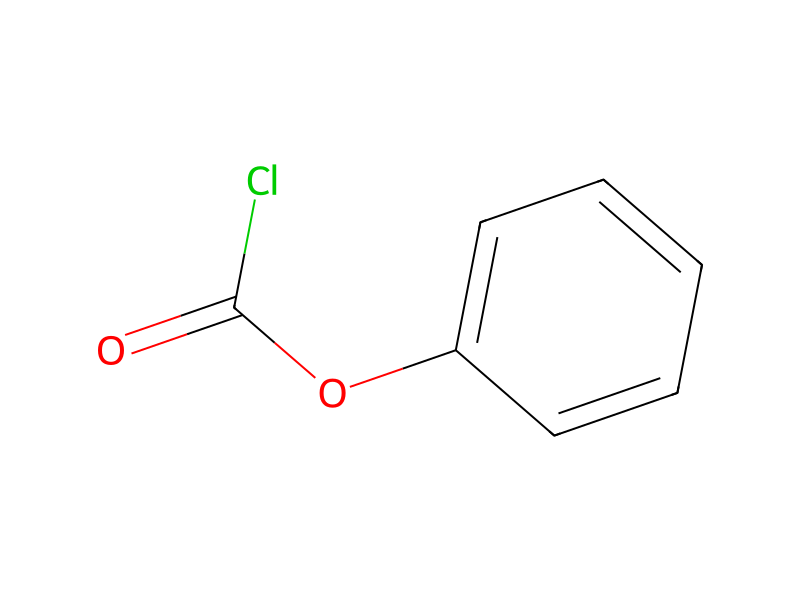
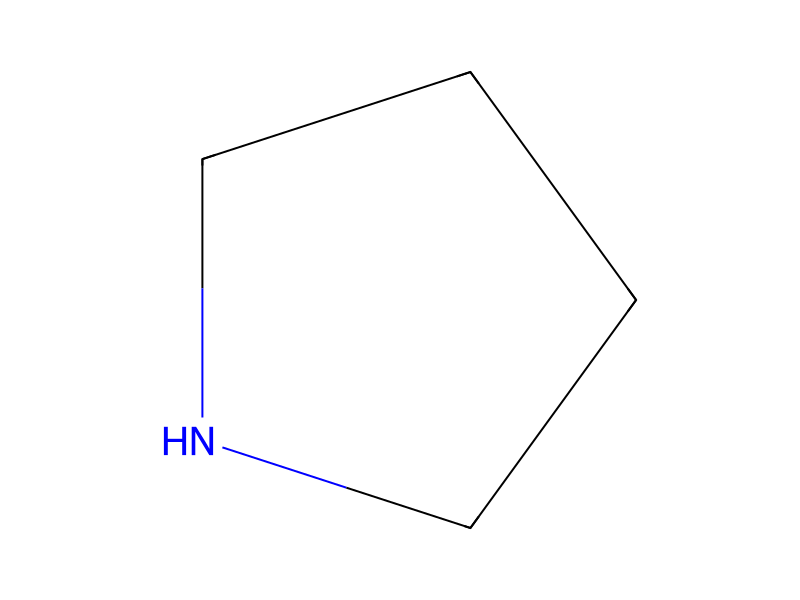
[CH3:1][C:2]1[CH:15]=[C:14]([N+:16]([O-:18])=[O:17])[CH:13]=[CH:12][C:3]=1[O:4][C:5]1[CH:10]=[CH:9][N:8]=[C:7]([NH2:11])[CH:6]=1.[CH2:19]([N:21]([CH2:24][CH3:25])[CH2:22]C)[CH3:20].ClC(OC1C=CC=CC=1)=[O:28].N1CCCC1>O1CCCC1.CN(C)C=O>[CH3:1][C:2]1[CH:15]=[C:14]([N+:16]([O-:18])=[O:17])[CH:13]=[CH:12][C:3]=1[O:4][C:5]1[CH:10]=[CH:9][N:8]=[C:7]([NH:11][C:22]([N:21]2[CH2:24][CH2:25][CH2:20][CH2:19]2)=[O:28])[CH:6]=1
ParticipantsProcedureWorkupSources & evidenceReaction notes

Participants

7

Reactant 4

HCID 8471TriethylamineHCID 15891Phenyl chloroformate2×HCID 31268PyrrolidineHCID 231530654-(2-Methyl-4-nitrophenoxy)pyridin-2-amine

Product 1

HCID 57677612N-[4-(2-Methyl-4-nitrophenoxy)-2-pyridinyl]-1-pyrrolidinecarboxamideYield 70.7%

Reagents, catalysts & solvents 2

HCID 6228DimethylformamideSolvent
HCID 8028TetrahydrofuranSolvent

Procedure

To a solution of 4-(2-methyl-4-nitrophenoxy)pyridin-2-ylamine (1.00 g) in tetrahydrofuran (50 ml) was added triethylamine (1.14 ml), and then phenyl chloroformate (0.768 ml) was added dropwise thereto while stirring in an ice bath, followed by stirring for 1.5 hrs. Phenyl chloroformate (0.252 ml) was further added thereto while stirring in an ice bath, followed by stirring for 0.5 hr. The reaction mixture was concentrated under a reduced pressure to give a residue, to which N,N-dimethylformamide (20 ml) and pyrrolidine (1.36 ml) were added, followed by stirring at room temperature for 0.5 hr. The reaction mixture was partitioned between ethyl acetate (150 ml) and water (100 ml). The organic layer was washed with brine, and dried over anhydrous sodium sulfate. The solvent was evaporated to give a residue, which was purified by silica gel column chromatography (Fuji Silysia NH, eluent; hexane:ethyl acetate=2:1 to 1:1, then ethyl acetate) to provide the titled compound (988 mg, 70.7%) as a pale yellow solid.

Workup

  1. stirringby stirring for 1.5 hrs
  2. stirringwhile stirring in an ice bath
  3. stirringby stirring for 0.5 hr
  4. concentrationThe reaction mixture was concentrated under a reduced pressure
  5. customto give a residue
  6. stirringby stirring at room temperature for 0.5 hr
  7. customThe reaction mixture was partitioned between ethyl acetate (150 ml) and water (100 ml)
  8. washThe organic layer was washed with brine
  9. dry with materialdried over anhydrous sodium sulfate
  10. customThe solvent was evaporated
  11. customto give a residue, which
  12. customwas purified by silica gel column chromatography (Fuji Silysia NH, eluent

Sources & evidence

ORD record
ord-74d39dac30b44fb8b195c58f9f632f2e
Source dataset
uspto-grants-2009_05
DOI
10.6084/m9.figshare.5104873.v1
Patent number
US07531532B2

Reaction notes

On this pageParticipantsProcedureWorkupSources & evidenceReaction notes