Reaction equation

[OH:1][C:2]1[CH:7]=[CH:6][C:5]([C:8]2[CH:13]=[CH:12][C:11]([C:14]#[N:15])=[CH:10][CH:9]=2)=[CH:4][C:3]=1I.[CH3:17][O:18][CH:19]=[CH:20][CH:21]=[CH2:22].C(=O)(O)[O-].[Na+]>[Cl-].C([N+](CCCC)(CCCC)CCCC)CCC.CN(C=O)C.C(Cl)Cl.C([O-])(=O)C.C([O-])(=O)C.[Pd+2]>[CH3:17][O:18]/[CH:19]=[CH:20]/[CH:21]1[CH2:22][C:3]2[CH:4]=[C:5]([C:8]3[CH:13]=[CH:12][C:11]([C:14]#[N:15])=[CH:10][CH:9]=3)[CH:6]=[CH:7][C:2]=2[O:1]1Participants
8
Reactant 3



Product 1

Reagents, catalysts & solvents 4



Conditions
- Temperature
- 23 °C
Procedure
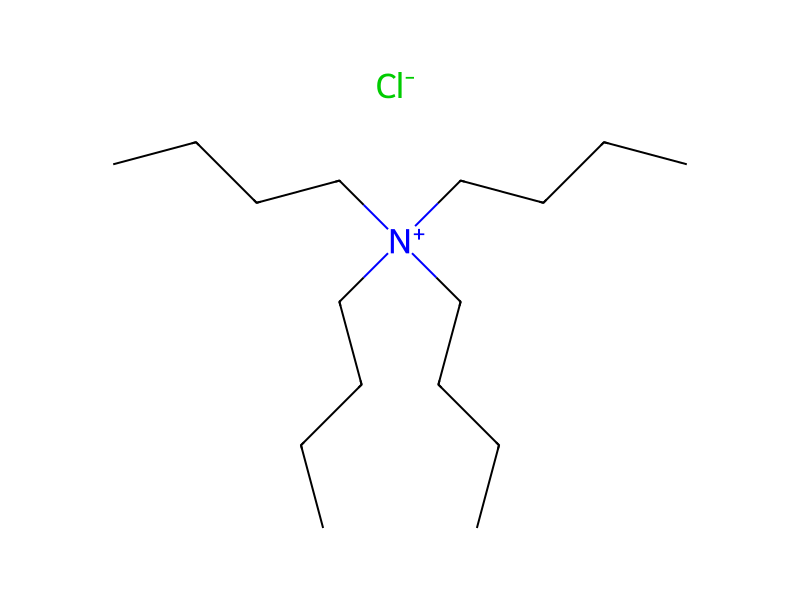
A solution of Example 1A (0.20 g, 0.623 mmol), 1-methoxybutadiene (0.18 g, 2.18 mmol), palladium diacetate (0.007 g, 0.031 mmol), sodium bicarbonate (0.261 g, 3.11 mmol) and tetrabutyl ammonium chloride (0.173 g, 0.623 mmol) was heated at 60° C. in DMF (3 mL) under an atmosphere of nitrogen for 36 hours. The reaction was cooled to 23° C., diluted with CH2Cl2 (50 mL), filtered through Celite. The solution was concentrated under reduce pressure and the residue was purified on silica using CH2Cl2 to give the titled compound (0.95 g, 55%). 1HNMR (CDCl3): 3.05 (m, 1H), 3.40 (m, 1H), 3.60 (s, 3H), 5.00 (m, 1H), 5.22 (m, 1H), 6.72 (d, J=14 Hz, 1H), 6.83 (d, J=7 Hz, 1H), 7.38 (m, 2H), 7.65 (m, 4H); MS (DCI): 278 (M+H+), 295 (M+NH4+).
Workup
- filtrationfiltered through Celite
- concentrationThe solution was concentrated
- customthe residue was purified on silica
Sources & evidence
- ORD record
- ord-4ff6943717344cc6a31885b631682cf6
- Source dataset
- uspto-grants-2009_05
- Patent number
- US07538138B2
Linked notes
Loading…