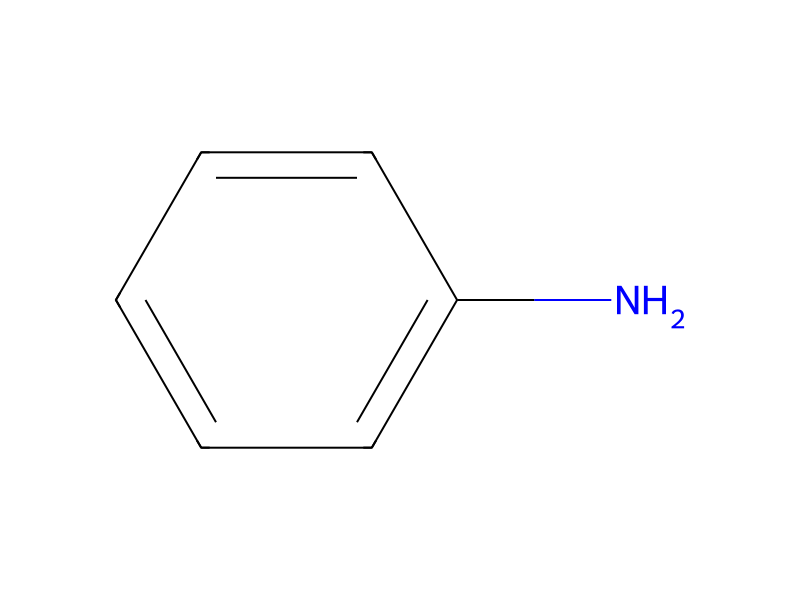
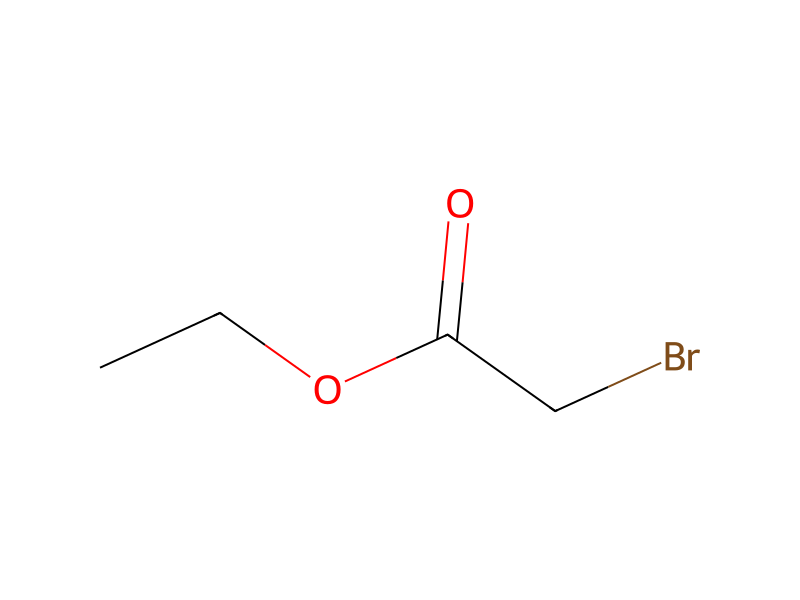
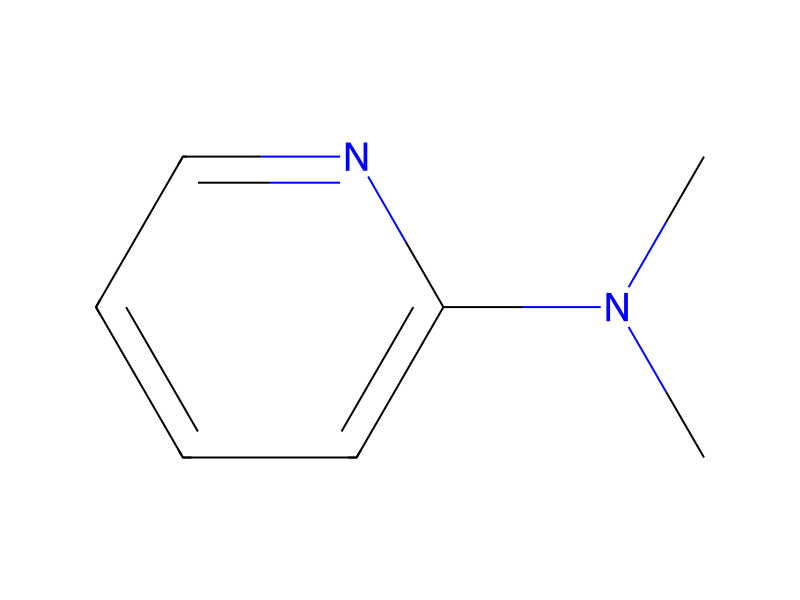
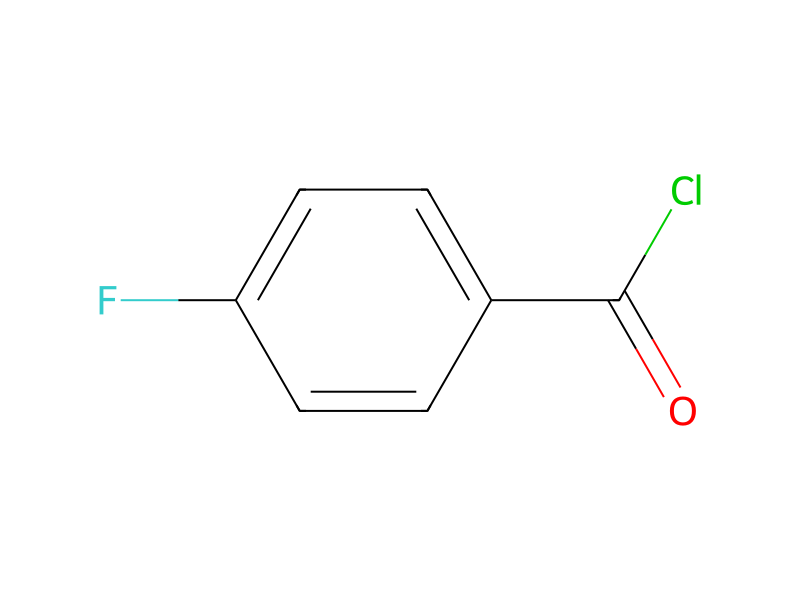
C(=O)([O-])[O-].[K+].[K+].Br[CH2:8][C:9]([O:11][CH2:12][CH3:13])=[O:10].[NH2:14][C:15]1[CH:20]=[CH:19][CH:18]=[CH:17][CH:16]=1.[F:21][C:22]1[CH:30]=[CH:29][C:25]([C:26](Cl)=[O:27])=[CH:24][CH:23]=1.CN(C1C=CC=CN=1)C.Cl>C(Cl)(Cl)Cl.C(OCC)(=O)C.O.CN(C=O)C>[F:21][C:22]1[CH:30]=[CH:29][C:25]([C:26]([N:14]([CH2:8][C:9]([O:11][CH2:12][CH3:13])=[O:10])[C:15]2[CH:20]=[CH:19][CH:18]=[CH:17][CH:16]=2)=[O:27])=[CH:24][CH:23]=1Potassium carbonate and ethyl bromoacetate were added to DMF solution of aniline and stirred under heating. After adding water and ethyl acetate to the reaction mixture, the organic layer was separated, washed and dried, and then the solvent was evaporated under a reduced pressure to obtain a crude product. This was dissolved in chloroform, mixed with TEA, 4-fluorobenzoyl chloride and dimethylaminopyridine (DMAP) and stirred. After adding 1 M hydrochloric acid to the reaction solution, the organic layer was separated, washed and dried, and then the solvent was evaporated under a reduced pressure. By purifying the thus obtained crude product by a silica gel column chromatography (to be referred to as SCG hereinafter), ethyl [(4-fluorobenzoyl)phenylamino]acetate (colorless oil) was obtained.