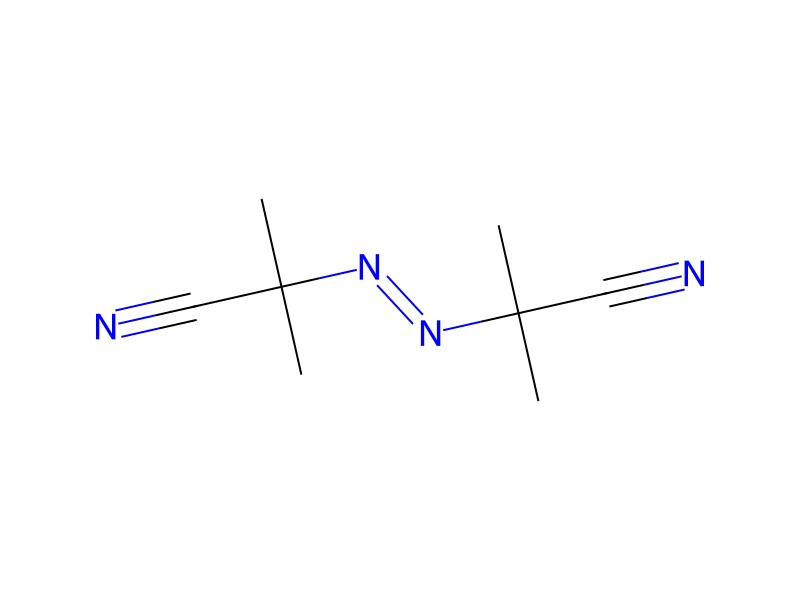
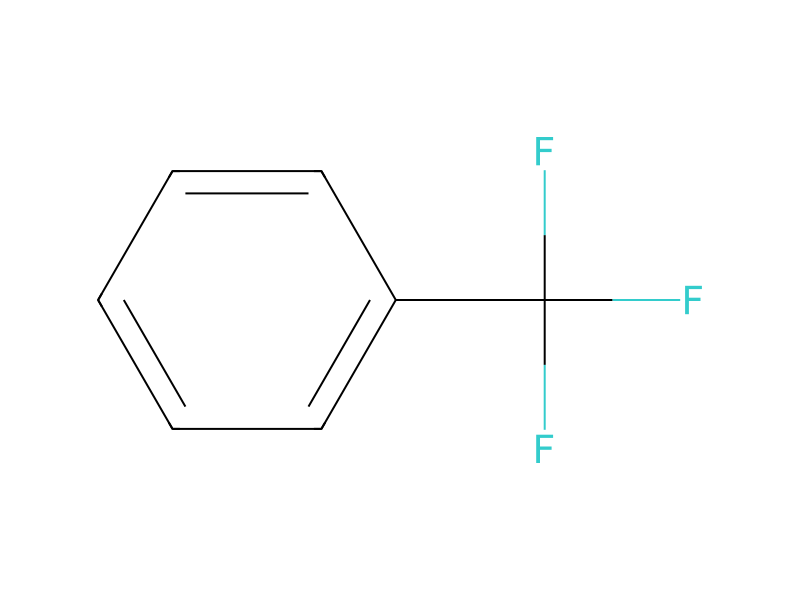
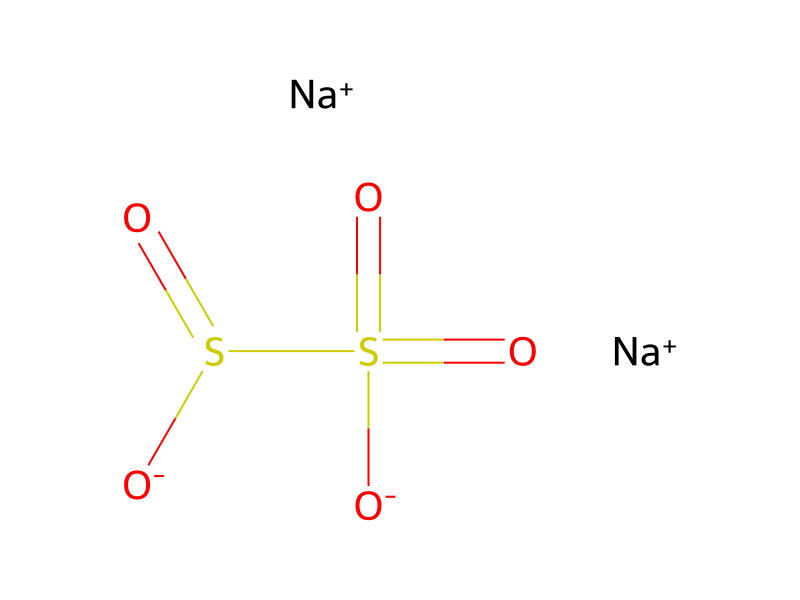
Bromine (9.78 ml) was added to a solution of 4-methylbenzo[c][1,2,5]thiadiazole (commercially available) (15 g) in aqueous hydrobromic acid (48%) (100 ml). The reaction mixture was heated at reflux temperature for 2 hours. The reaction mixture was allowed to cool to ambient temperature and diluted with aqueous sodium metabisulfite (20 g in 250 ml water). The mixture was extracted twice with dichloromethane. The combined organic phases were washed with water and brine, dried over sodium sulfate, and concentrated to give a mixture of brominated products. This mixture was suspended in α,α,α-trifluorotoluene (250 ml) and N-bromosuccinimide (“NBS”) (13.88 g) and 2,2′-azobis(2-methylpropionitrile) (“AIBN”) (0.640 g) were added. The reaction mixture was heated at 90° C. for 3 hours. The reaction mixture was allowed to cool to ambient temperature and was diluted with dichloromethane (600 ml) and aqueous hydrochloric acid (1M) (300 ml). The phases were separated and the organic layer was washed successively with aqueous hydrochloric acid (1M) (2×250 ml), water (200 ml) and brine (200 ml), dried over sodium sulfate and concentrated to give 4-bromo-7-bromomethyl-benzo[1,2,5]thiadiazole (29.05 g) as a yellow solid. 1H-NMR (400 MHz, CDCl3): 7.82 (d, 1H), 7.54 (d, 1H), 4.94 (s, 2H) ppm.