HomeMCPSkillsWorkbenchOpenChem
HomeWorkbenchNotificationsMe
llms.txt · skill.md · MCP GuidePrivacy Policy · Terms of Service · Supportv1.8.4
  1. Home
  2. /Reaction

Hydrochloric Acid → Ethyl 1-(4-bromophenyl)cyclopentane-1-carboxylate

HRID 557639
Print

Reaction equation

[Br:1][C:2]1[CH:7]=[CH:6][C:5]([CH2:8][C:9]([O:11][CH2:12][CH3:13])=[O:10])=[CH:4][CH:3]=1.[H-].[Na+].Br[CH2:17][CH2:18][CH2:19][CH2:20]Br.Cl>CN(C=O)C.CCOC(C)=O>[CH2:12]([O:11][C:9]([C:8]1([C:5]2[CH:4]=[CH:3][C:2]([Br:1])=[CH:7][CH:6]=2)[CH2:20][CH2:19][CH2:18][CH2:17]1)=[O:10])[CH3:13]
ParticipantsProcedureWorkupSources & evidenceReaction notes

Participants

7

Reactant 4

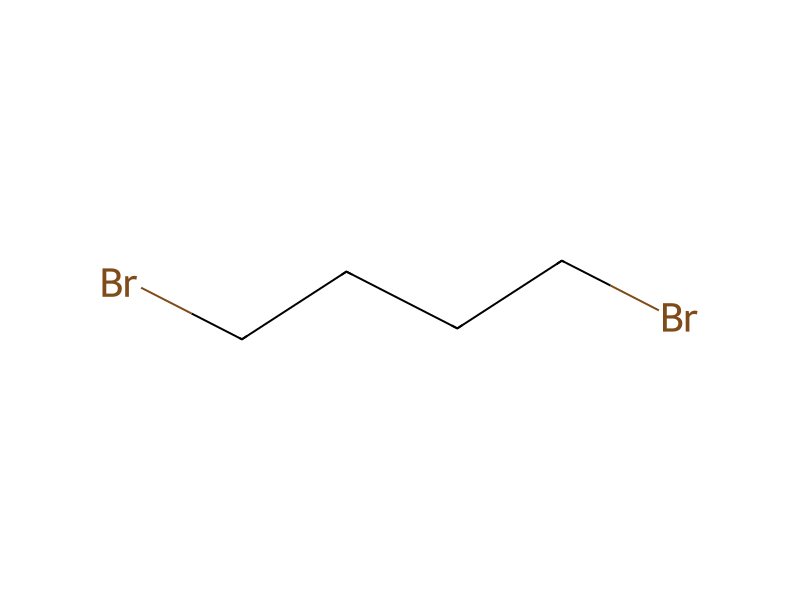
HCID 313Hydrochloric AcidHCID 80561,4-DibromobutaneHCID 24758Sodium hydrideHCID 7020609Ethyl 2-(4-bromophenyl)acetate

Product 1

HCID 66660571Ethyl 1-(4-bromophenyl)cyclopentane-1-carboxylate

Reagents, catalysts & solvents 2

HCID 6228
Dimethylformamide
Solvent
HCID 8857Ethyl AcetateSolvent

Procedure

To a solution of ethyl 4-bromophenylacetate (2 g, 8.2 mmol) in DMF (20 mL) at 0° C. was added sodium hydride (60% in mineral oil; 0.72 g, 18.1 mmol), and the mixture was stirred for 10 minutes. 1,4-Dibromobutane (1.07 mL, 9.0 mmol) was added, and the reaction was stirred at room temperature for 30 minutes. Once no starting material was seen by analytical tlc, the mixture was worked up with EtOAc and aqueous 10% HCl, and the crude material was purified by silica gel chromatography to give the title compound.

Workup

  1. stirringthe reaction was stirred at room temperature for 30 minutes
  2. customthe crude material was purified by silica gel chromatography

Sources & evidence

ORD record
ord-d269a3c64f62471ea846701ed0824d2f
Source dataset
uspto-grants-2011_11
DOI
10.6084/m9.figshare.5104873.v1
Patent number
US08058300B2

Reaction notes

On this pageParticipantsProcedureWorkupSources & evidenceReaction notes