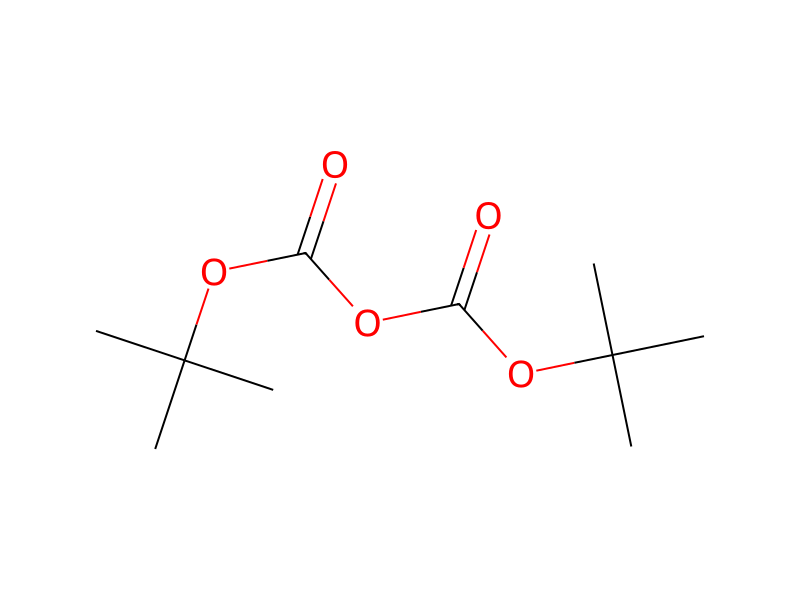
[NH2:1][C@:2]([CH3:14])([CH2:5][CH2:6][C:7]1[N:8]([CH2:12][CH3:13])[CH:9]=[CH:10][CH:11]=1)[CH2:3][OH:4].[C:15](OC(OC(C)(C)C)=O)(OC(C)(C)C)=[O:16].C(N(CC)CC)C.O>C(Cl)Cl.CN(C)C1C=CN=CC=1.C(OCC)(=O)C>[CH3:14][C@@:2]1([CH2:5][CH2:6][C:7]2[N:8]([CH2:12][CH3:13])[CH:9]=[CH:10][CH:11]=2)[CH2:3][O:4][C:15](=[O:16])[NH:1]1The thus obtained (2R)-2-amino-2-methyl-4-(1-ethylpyrrol-2-yl)butan-1-ol ½ D-(−)-tartrate (55.5 mg, 0.160 mmol) was suspended in methylene chloride (1.6 mL) and di-t-butyl dicarbonate (0.17 g, 0.78 mmol), triethylamine (0.22 mL, 1.58 mmol) and 4-dimethylaminopyridine (3.0 mg, 0.025 mmol) were added thereto, followed by stirring of the mixture at room temperature for 20 minutes. Water and ethyl acetate were added thereto to separate it. The thus obtained organic phase was separated and dried over anhydrous sodium sulfate. The solvent was evaporated under reduced pressure and the residue was purified by silica gel chromatography (hexane:ethyl acetate, 1:1) to obtain (4R)-4-methyl-4-[2-(1-ethylpyrrol-2-yl)ethyl]-1,3-oxazolidin-2-one (18.0 mg, yield: 58%).