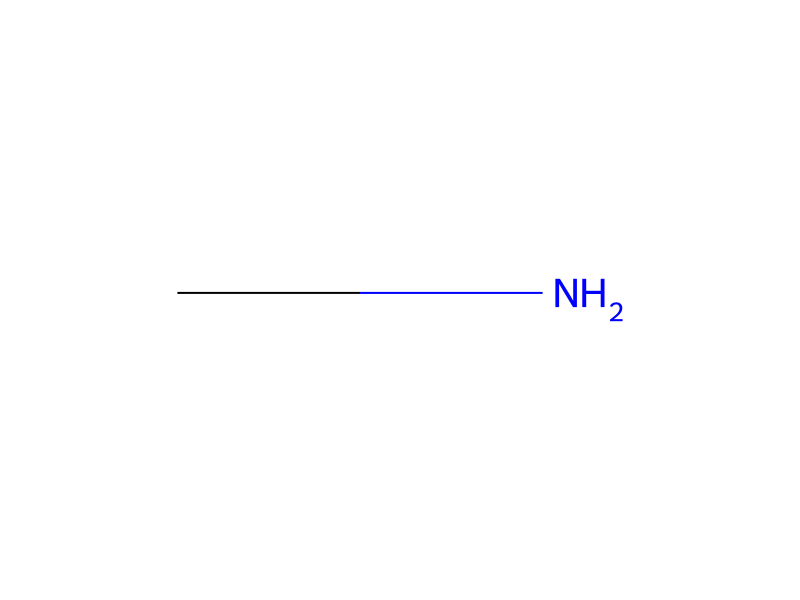
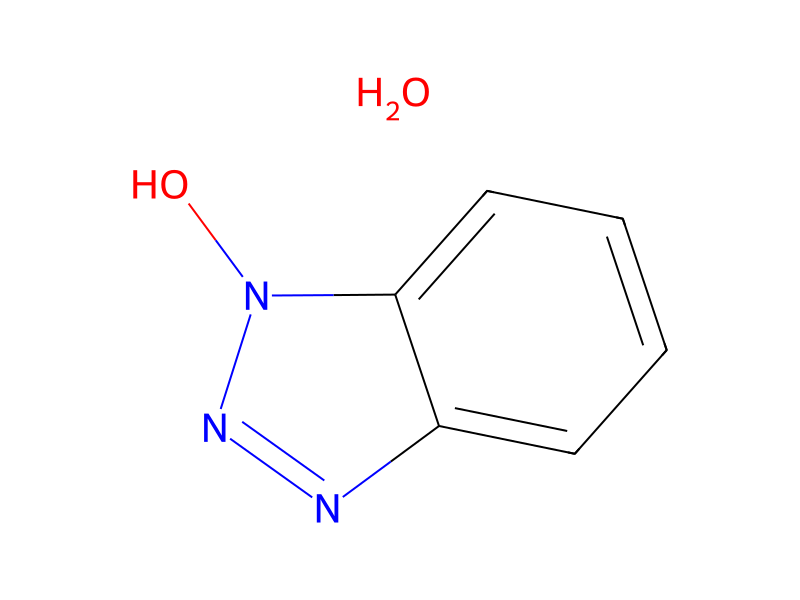
CN.[C:3]([C:5]1[CH:6]=[C:7]([C:11]#[C:12][C:13]2[CH:14]=[CH:15][C:16]([F:22])=[C:17]([CH:21]=2)[C:18]([OH:20])=O)[CH:8]=[N:9][CH:10]=1)#[N:4].O.O[N:25]1[C:29]2C=CC=CC=2N=N1>O1CCCC1.CN(C)C=O.C(OCC)(=O)C>[C:3]([C:5]1[CH:6]=[C:7]([C:11]#[C:12][C:13]2[CH:14]=[CH:15][C:16]([F:22])=[C:17]([CH:21]=2)[C:18]([NH:25][CH3:29])=[O:20])[CH:8]=[N:9][CH:10]=1)#[N:4]Add N-(3-dimethylaminopropyl)-N-ethylcarbdiimide hydrochloride (120 mg, 0.62 mmol) to a mixture of methylamine (19 mg, 310 μL of a 2.0 M stock solution in tetrahydrofuran, 0.62 mmol), 5-(5-cyanopyridin-3-ylethynyl)-2-fluorobenzoic acid), (prepared as described in EXAMPLE 120), (150 mg, 0.56 mmol) and 1-hydroxybenzotriazole hydrate (76 mg, 0.56 mmol) in N,N-dimethylformamide (2 mL), and stir for 2 h. Dilute the reaction mixture with ethyl acetate and an aqueous saturated solution of sodium bicarbonate and separate the layers. Extract the aqueous phase once with ethyl acetate. Wash the combined organic phases once with an aqueous saturated solution of sodium chloride, dry (sodium sulfate), filter and concentrate. Purify the residue by silica gel chromatography, eluting with 20:80 ethyl acetate:dichloromethane, to give the title compound as a white solid (107 mg, 68%).
Loading…