HomeMCPWorkbenchSkills
HomeWorkbenchNotificationsMe
llms.txt · MCP GuidePrivacy Policy · Terms of Service · Supportv1.8.0
  1. Home
  2. /Reaction

Hydrochloric Acid → HCID 178472803, compound

HRID 65597
Notes
Print preview

Reaction equation

HRID 65597 reaction equation
Cl.N(OCCC(C)C)=O.[NH:10]1[C:14](=[O:15])[CH2:13][CH2:12][C@H:11]1[C:16]([NH:18][C@H:19]([C:26]([NH:28][C@H:29]([C:40]([N:42]=[N+]=[N-])=[O:41])[CH2:30][C:31]1[C:39]2[C:34](=[CH:35][CH:36]=[CH:37][CH:38]=2)[NH:33][CH:32]=1)=[O:27])[CH2:20][C:21]1[N:25]=[CH:24][NH:23][CH:22]=1)=[O:17].Cl.[CH2:46]([O:48][C:49](=[O:70])[CH2:50][NH:51][C:52](=[O:69])[C@H:53]([CH2:61][C:62]1[CH:67]=[CH:66][C:65]([OH:68])=[CH:64][CH:63]=1)[NH:54][C:55](=[O:60])[C@H:56]([CH2:58][OH:59])N)[CH3:47]>O1CCCC1.C(N(CC)CC)C.CN(C)C=O>[CH2:46]([O:48][C:49](=[O:70])[CH2:50][NH:51][C:52](=[O:69])[C@H:53]([CH2:61][C:62]1[CH:67]=[CH:66][C:65]([OH:68])=[CH:64][CH:63]=1)[NH:54][C:55](=[O:60])[C@H:56]([CH2:58][OH:59])[NH:42][C:40](=[O:41])[C@H:29]([CH2:30][C:31]1[C:39]2[C:34](=[CH:35][CH:36]=[CH:37][CH:38]=2)[NH:33][CH:32]=1)[NH:28][C:26](=[O:27])[C@H:19]([CH2:20][C:21]1[N:25]=[CH:24][NH:23][CH:22]=1)[NH:18][C:16](=[O:17])[C@@H:11]1[CH2:12][CH2:13][C:14](=[O:15])[NH:10]1)[CH3:47]
ParticipantsConditionsProcedureWorkupSources & evidenceReaction notes

Participants

8

Reactant 4

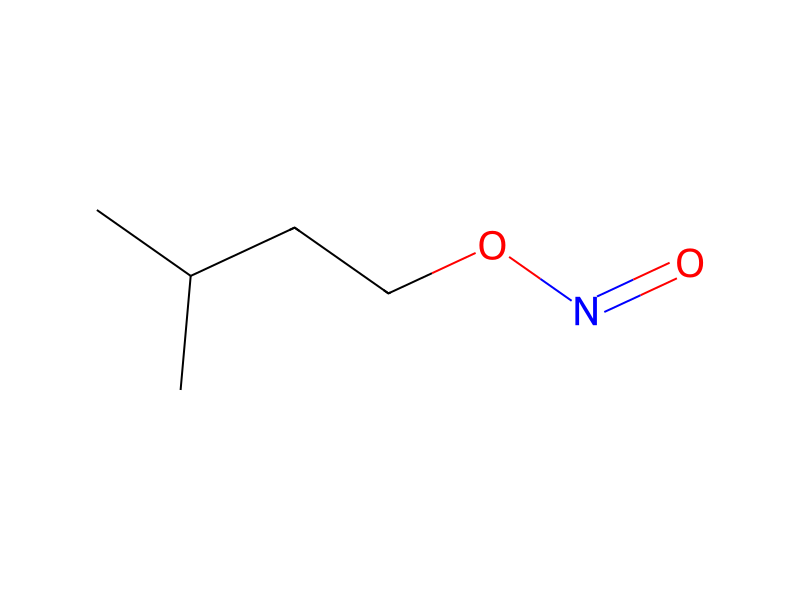
HCID 313Hydrochloric AcidHCID 8053Isoamyl NitriteHCID 70629203HCID 70629203, compoundHCID 178514637HCID 178514637, compound

Product 1

HCID 178472803HCID 178472803, compound

Reagents, catalysts & solvents 3

HCID 6228
Dimethylformamide
Solvent
HCID 8028TetrahydrofuranSolvent
HCID 8471TriethylamineSolvent2×

Conditions

Temperature
-50 °C

Procedure

To a stirred suspension of 1.165 g. of L-pyroglutamyl-L-histidyl-L-tryptophanyl hydrazide (prepared as described in Example 1(b) above) in 30 ml. of N,N-dimethylformamide, cooled to -20° C., is added 6.13 ml. of 2.45 N hydrogen chloride in tetrahydrofuran and 0.5 ml. of isoamyl nitrite, and the resulting mixture is stirred at -10° to -20° C. for one hour. The mixture, which contains L-pyroglutamyl-L-histidyl-L-tryptophanyl azide, is next cooled to -50° C. and to it are added first 2.1 ml. of triethylamine, then 975 mg. of L-seryl-L-tyrosylglycine ethyl ester hydrochloride (prepared as described in (b) above), and finally 0.35 ml. more of triethylamine. The stirred mixture is allowed to warm to 0° C. during one hour and is kept at -5° C. for 21 hours. It is then filtered, and the filtrate is evaporated under reduced pressure to give a residue of L-pyroglutamyl-L-histidyl-L-tryptophanyl-L-seryl-L-tyrosylglycine ethyl ester, which is dissolved in 50 ml. of methanol. To the solution is added 2 ml. of 99% hydrazine hydrate, and the resulting mixture is kept at room temperature for 16 hours. The solid that forms is isolated by filtration and stirred well with 20 ml. of water. The aqueous mixture is heated on the steam bath for 20 minutes, filtered, and the isolated solid is mixed with 15 ml. of methanol. The methanolic mixture is heated on the steam bath for 15 minutes, and the solid product is again isolated by filtration and dried. It is L-pyroglutamyl-L-histidyl-L-tryptophanyl-L-seryl-L-tyrosylglycyl hydrazide monohydrate; m.p. 218°-220° C.; [α]D25 -22.7° (1% in 1 N hydrochloric acid).

Workup

  1. additionTo a stirred suspension of 1.165 g
  2. additionis added 6.13 ml
  3. additionare added first 2.1 ml
  4. temperatureto warm to 0° C. during one hour
  5. filtrationIt is then filtered
  6. customthe filtrate is evaporated under reduced pressure

Sources & evidence

ORD record
ord-fd10caf5d51a4516b63059d4d7db65fd
Source dataset
uspto-grants-1978_12
DOI
10.6084/m9.figshare.5104873.v1
Patent number
US04128540

Reaction notes

Loading…

On this pageParticipantsConditionsProcedureWorkupSources & evidenceReaction notes