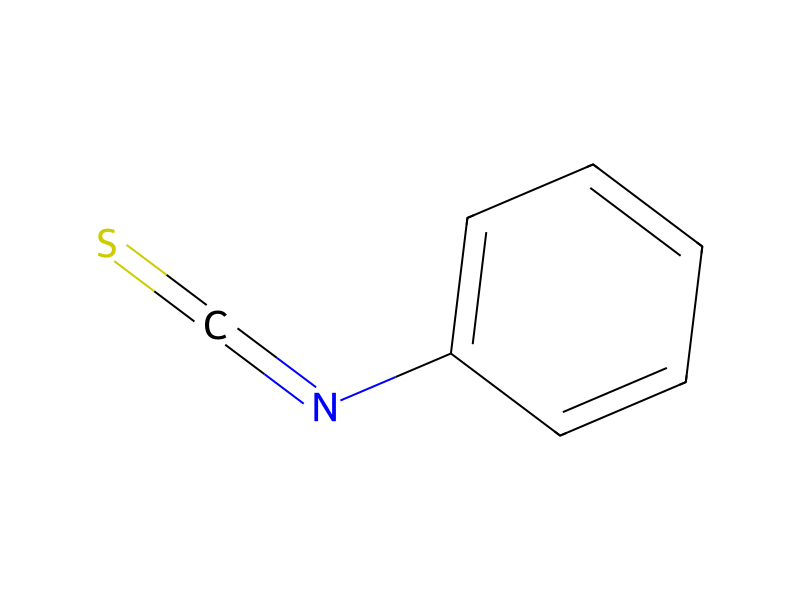
[C:1](#[N:5])[CH2:2][C:3]#[N:4].CN(C)C=O.C(=O)([O-])[O-].[K+].[K+].[N:17]([C:20]1[CH:25]=[CH:24][CH:23]=[CH:22][CH:21]=1)=[C:18]=[S:19].Br[CH2:27][C:28]([C:30]1[CH:35]=[CH:34][C:33]([CH3:36])=[CH:32][CH:31]=1)=[O:29]>C(OCC)(=O)C>[NH2:4][C:3]1[C:2]([C:1]#[N:5])=[C:18]([NH:17][C:20]2[CH:25]=[CH:24][CH:23]=[CH:22][CH:21]=2)[S:19][C:27]=1[C:28](=[O:29])[C:30]1[CH:35]=[CH:34][C:33]([CH3:36])=[CH:32][CH:31]=1Malononitrile (0.661 g, 0.0100 mol) was dissolved in N,N-dimethylformamide (50 mL, 0.6 mol) and was stirred under an atmosphere of Argon. Potassium carbonate (1.52 g, 0.0110 mol) was added and was stirred for 30 minutes. Isothiocyanatobenzene (1.49 g, 0.0110 mol) was added and the reaction mixture was stirred for 2 hours. 2-Bromo-1-(4-methylphenyl)-ethanone, (2.34 g, 0.0110 mol) was added and the reaction mixture was allowed to stir overnight. The resultant dark red solution was diluted with 150 mL ethyl acetate and washed successively with 100 mL each of 1/2 saturated NaHCO3 solution, 1N LiCl (2×) and 1N Na2S2O3. The combined aqueous layers were discarded and the organic layer was dried, filtered, and evaporated to collect 1.46 g of the desired product as pale yellow-orange crystals. MS(ESI) [M+H+]+=334.2.