Reaction equation

I[C:2]1[CH:7]=[CH:6][CH:5]=[CH:4][N:3]=1.N1C=CC=CC=1C(O)=O.C(=O)([O-])[O-].[Cs+].[Cs+].[C:23]([O:31][CH2:32][CH3:33])(=[O:30])[CH2:24][C:25]([O:27][CH2:28][CH3:29])=[O:26]>O1CCOCC1.C(OCC)(=O)C.[Cu]I>[N:3]1[CH:4]=[CH:5][CH:6]=[CH:7][C:2]=1[CH:24]([C:25]([O:27][CH2:28][CH3:29])=[O:26])[C:23]([O:31][CH2:32][CH3:33])=[O:30]Participants
Reactant 4

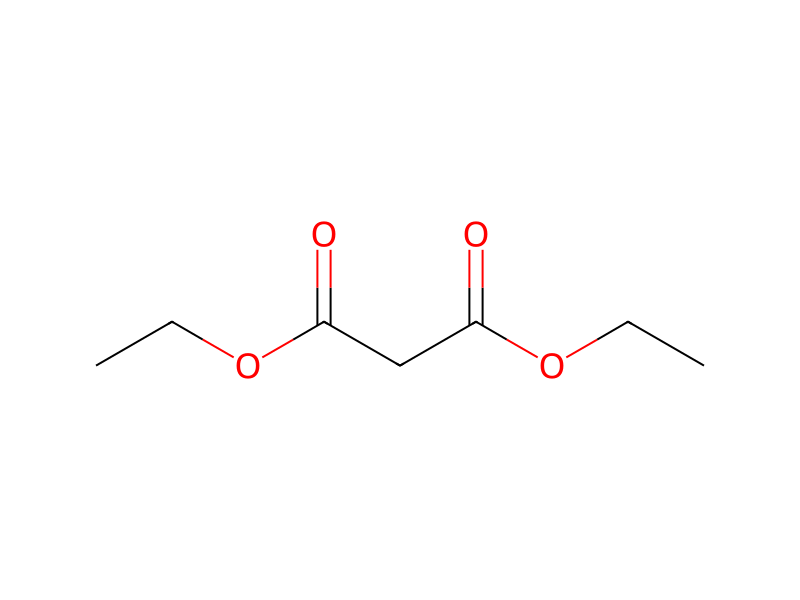


Product 1

Reagents, catalysts & solvents 3



Procedure
A mixture of 2-iodopyridine (1.00 g, 4.88 mmol), picolinic acid (0.060 g, 0.488 mmol), copper(I) iodide (0.046 g, 0.244 mmol), cesium carbonate (4.77 g, 14.63 mmol) and diethyl malonate (1.563 g, 9.76 mmol) in dioxane (10 mL) was stirred under nitrogen at room temperature for 15 h. The mixture was diluted with ethyl acetate (200 mL), washed with saturated ammonium chloride (20 mL), water (20 mL), brine (20 mL), dried (MgSO4) and concentrated. Silica gel chromatography, loading with dichloromethane-hexanes (1:1) and eluting with 5 to 30% ethyl acetate in hexanes, gave diethyl 2-(pyridin-2-yl)malonate (700 mg, 42% yield). 1H NMR (400 MHz, CDCl3) δ ppm 8.58 (1H, δ, J=4.77 Hz), 7.71 (1H, dd, J=7.78, 1.51 Hz), 7.50 (1H, δ, J=7.78 Hz), 7.18-7.24 (1H, m), 4.94 (1H, s), 4.14-4.32 (4H, m, J=7.15, 7.15, 7.03, 3.51 Hz), 1.19-1.35 (6H, m); MS (ES+) m/z: 238 (M+H); LC retention time: 1.88 min (analytical HPLC Method A).
Workup
- washwashed with saturated ammonium chloride (20 mL), water (20 mL), brine (20 mL)
- dry with materialdried (MgSO4)
- concentrationconcentrated
- washeluting with 5 to 30% ethyl acetate in hexanes
Sources & evidence
- ORD record
- ord-7a45419e5a7243959d4362c056890976
- Source dataset
- uspto-grants-2014_09
- Patent number
- US08846673B2
Linked notes
Loading…