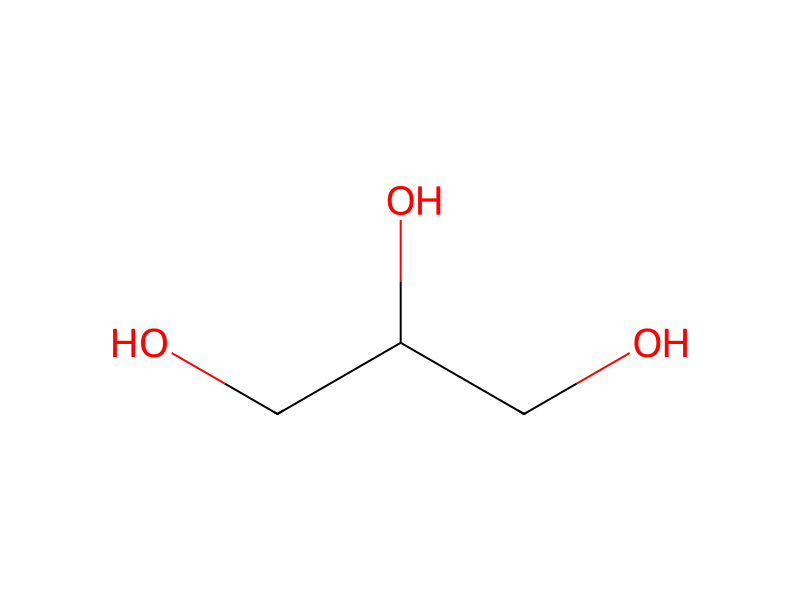
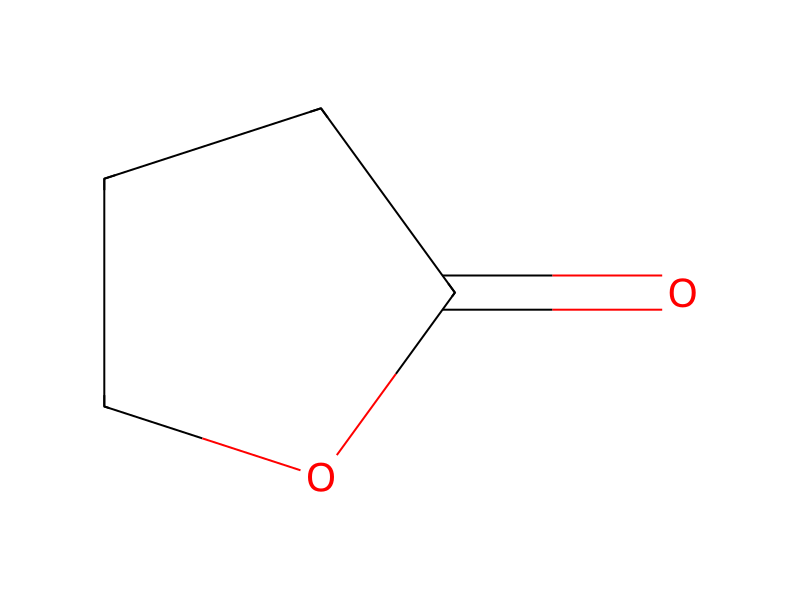
Reaction equation

C1C(CC2C=CC(N)=CC=2)=CC=C(N)C=1.C1(=O)OCCC1.C1C(CC2C=CC(N=C=O)=CC=2)=CC=C(N=C=O)C=1.[CH:41]1[C:46]([C:47]([OH:49])=[O:48])=[CH:45][C:44]2C([O:52][C:53](=[O:54])[C:43]=2[CH:42]=1)=O.COC(=O)C1C=CC(C(OC)=O)=CC=1.C(=O)=O.OCC(CO)O>CCCC[O-].CCCC[O-].CCCC[O-].CCCC[O-].[Ti+4].C(O)(=O)C1C=CC=C(C(O)=O)C=1.C(O)(=O)C1C(=CC(=CC=1)C(O)=O)C(O)=O.N1CCNCC1.C([O-])(=O)C.[Pb+2].C([O-])(=O)C.C1(C)C(C)=CC=CC=1.C1(C)C=CC=CC=1.CO>[C:53]([OH:54])(=[O:52])[C:43]1[CH:42]=[CH:41][C:46]([C:47]([OH:49])=[O:48])=[CH:45][CH:44]=1Participants
Reactant 7



Product 1

Reagents, catalysts & solvents 8






Conditions
- Temperature
- 50 °C
Procedure
4.8 g of isophthalic acid and 33.6 g of trimellitic acid are added at room temperature to 419 g of a solution of N,N'-bis-[methoxy carbonyl propyl-(2)-]-4,4'-diaminodiphenyl methane in a mixture of 36% by weight of γ-butyrolactone and 64% by weight of toluene (29.2% N), followed by the addition at 50° C. of 204 g of 4,4'-diisocyanatodiphenylmethane. After stirring for 2 hours at 50° C., another 87.4 g of 4,4'-diisocyanatodiphenyl methane and 0.6 g of endoethylene piperazine are added at 50° C., followed by homogenisation for 1 hour at 50° C. Then another 201.2 g of trimellitic acid anhydride and 120 g of terephthalic acid dimethyl ester are added to this solution in portions at 50° C., followed by homogenisation for 30 minutes at 50° C. The suspension obtained is left standing overnight at room temperature and, on the following day, is heated to 205° C. with elimination of carbon dioxide, methanol and toluene, maintained for 3 hours at 205° C. and, then, for 1 hour at 215° C. 218.8 g of terephthalic acid dimethyl ester are then added at from 170° to 180° C., followed by the addition at from 150° to 160° C. of 318 g of N,N',N"-tris-hydroxyethyl triazolidine-3,5-dione, 1.8 g of lead acetate and 0.6 g of titanium tetrabutylate. The mixture is then heated for 2 hours to 170° C. Then 30 g of xylene and 160 g of a polyester produced from 4 moles of terephthalic acid, 1.5 moles of glycerol and 3 moles of glycol (OH-content 4.53%, acid number 4.8 mg KOH) are added at from 160° to 170° C., after which the mixture is again subjected to condensation for 3 hours at from 200° to 220° C. first directly and, finally, in vacuo until a sample diluted to 50% by weight with γ-butyrolactone has a viscosity of approximately 10,000 mPa.s at 25° C. 1501 g of a brittle, approximately 80% by weight resin are obtained, of which a 15% by weight solution in γ-butyrolactone has a viscosity of 156 mPa.s at 25° C.
Workup
- waitfollowed by homogenisation for 1 hour at 50° C
- waitfollowed by homogenisation for 30 minutes at 50° C
- customThe suspension obtained
- waitis left
- waitstanding overnight at room temperature and, on the following day
- temperaturemaintained for 3 hours at 205° C.
- waitfor 1 hour at 215° C
- temperatureThe mixture is then heated for 2 hours to 170° C
Sources & evidence
- ORD record
- ord-6a3937a5ed694ce0a4558bfb5e24df15
- Source dataset
- uspto-grants-1981_10
- Patent number
- US04293669
Linked notes
Loading…