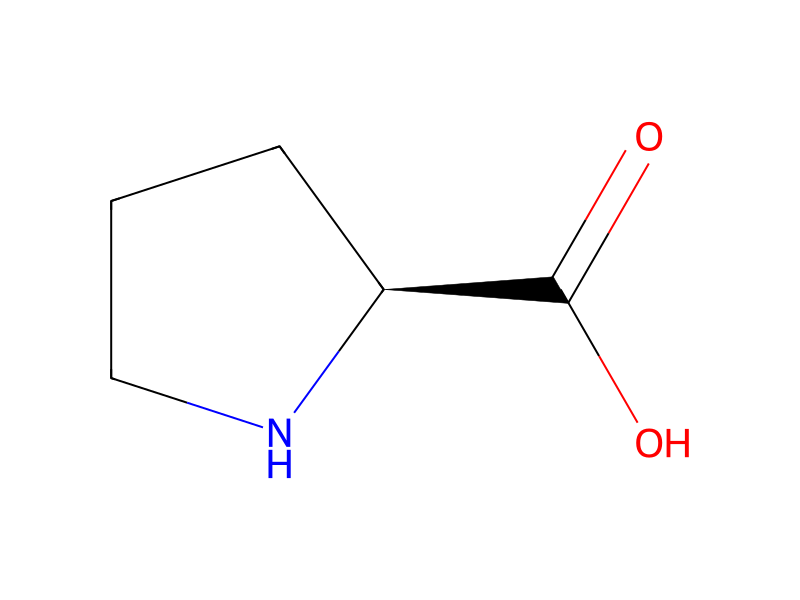
To a solution of L-proline (77.7 mg, 675 μmol) in DMSO (4 mL) was added sodium hydride (27.0 mg, 675 μmol, 60% dispersion in mineral oil) and the mixture was stirred at room temperature for 30 minutes before copper(I)iodide (128 mg, 675 μmol), methyl 3-chloro-5-iodobenzoate (0.25 g, 843 μmol) and sodium methanesulfinate (689 mg, 6.75 mmol) were added. The reaction mixture was heated to 120° C. in a sealed tube to give a turbid blue solution. After 2 hours the reaction mixture was allowed to cool down and was poured on saturated aqueous NaHCO3 solution and EtOAc and filtered. The filtrate layers were separated and the aqueous layer was extracted twice with EtOAc. The organic layers were washed once with brine, dried over MgSO4, filtered and evaporated. Light brown solid (0.135 g; 64%). MS (EI): m/z=248 [M].