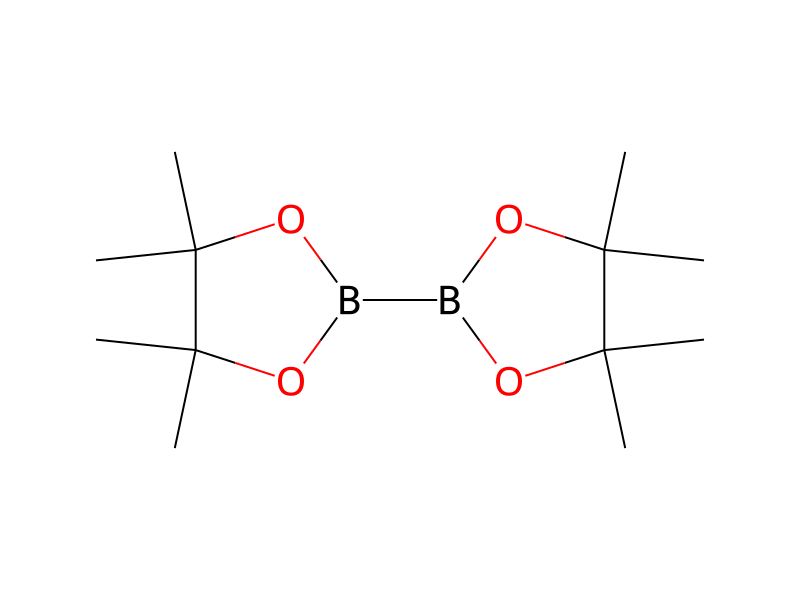
A microwave vial was charged with 4-bromo-2-chloro-5-methylpyridine (199 mg, 0.96 mmol), Bis(pinacolato)diboron (252 mg, 0.99 mmol), PdCl2(dppf).CH2Cl2 (44 mg, 0.05 mmol), then KOAc (293 mg, 2.98 mmol). The vial was flushed with argon, diluted with dioxane (4 mL), sealed, then heated to 100° C. for 1 hour. The reaction mixture was allowed to cool to room temperature and then a portion of this cooled solution (0.7 mL, 0.17 mmol) was added to a vial that was charged with (S)-ethyl 2-(2-bromo-7-(4-chlorophenyl)-5-methylbenzo[d]thiazol-6-yl)-2-tert-butoxyacetate (80 mg, 0.16 mmol) and Pd(PPh3)4 (9 mg, 0.01 mmol). The mixture was diluted with dioxane (2.0 mL) and to this was added 2M aqueous K2CO3 (0.30 mL, 0.60 mmol). The vial was sealed, heated to 100° C. for 1 hour, and then allowed to cool to room temperature. The mixture was diluted with EtOAc, dried over Na2SO4, filtered, and concentrated in vacuo. The crude residue was purified by silica gel column chromatography (0-20% EtOAc/Hex gradient) to afford the desired product. LCMS-ESL': calc'd C28H29Cl2N2O3S: 543.1 (M+H+); Found: 543.2 (M+H+).