HomeMCPWorkbenchSkills
HomeWorkbenchNotificationsMe
llms.txt · MCP GuidePrivacy Policy · Terms of Service · Supportv1.8.3
  1. Home
  2. /Reaction

Hydrochloric Acid → Ethyl 1-cyano-3-(2,2-dichlorovinyl)-2,2-dimethylcyclopropane-1-carboxylate

HRID 894491
Print

Reaction equation

HRID 894491 reaction equation
[C:1]([CH2:3][C:4]([O:6][CH2:7][CH3:8])=[O:5])#[N:2].[Cl:9][C:10]([Cl:16])=[CH:11][CH:12]=[C:13]([CH3:15])[CH3:14].C(=O)([O-])[O-].[Ca+2].[Cl-].[Ca+2].[Cl-].[Br-].[K+].Cl[O-].[Na+].BrBr.ClCl.Cl>O.[Br-].C([N+](C)(C)C)CCCCCCCCCCCCCCC.[Cl-].C[N+](CC)(CC)CC.C(OCCCC)(=O)C>[C:1]([C:3]1([C:4]([O:6][CH2:7][CH3:8])=[O:5])[CH:12]([CH:11]=[C:10]([Cl:16])[Cl:9])[C:13]1([CH3:15])[CH3:14])#[N:2]
ParticipantsProcedureWorkupSources & evidenceReaction notes

Participants

14

Reactant 9

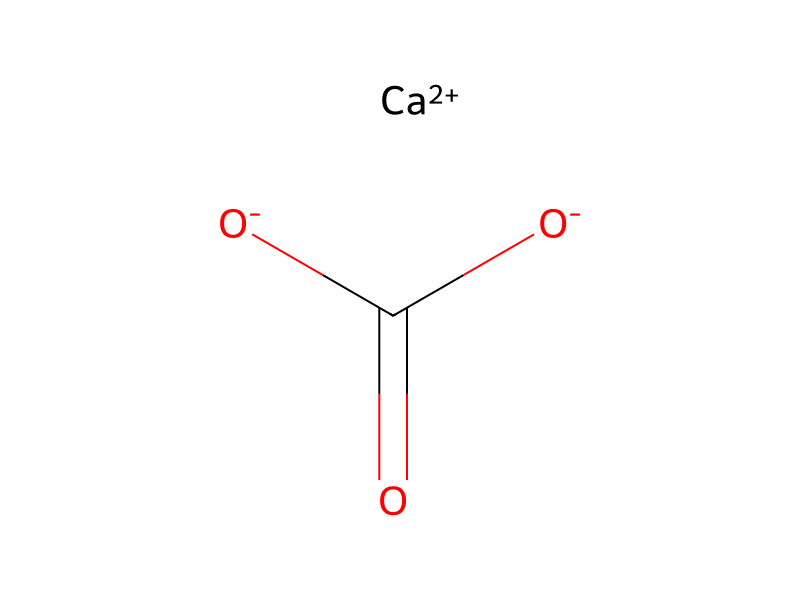
HCID 313Hydrochloric AcidHCID 7764Ethyl cyanoacetateHCID 10112Calcium CarbonateHCID 24408BromineHCID 24526ChlorineHCID 1087461,3-Pentadiene, 1,1-dichloro-4-methyl-HCID 253877Potassium Bromide
HCID 5284359
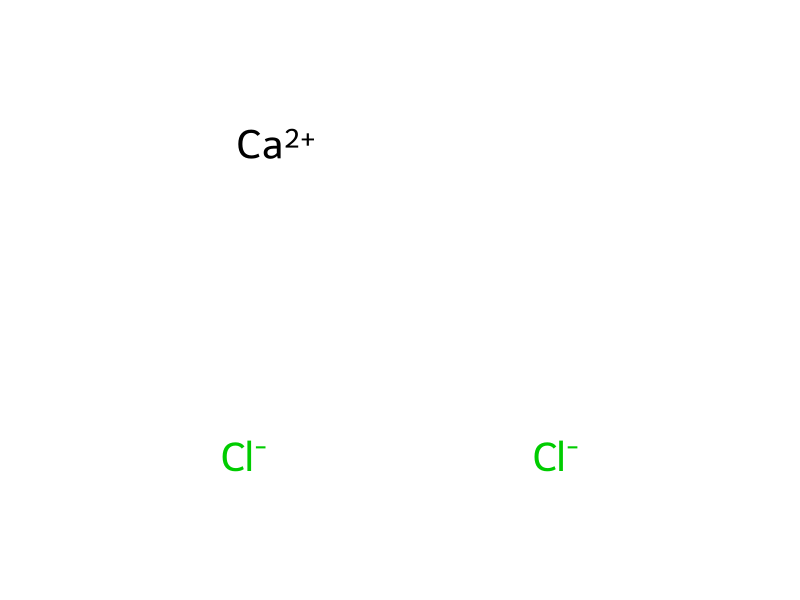
Calcium Chloride
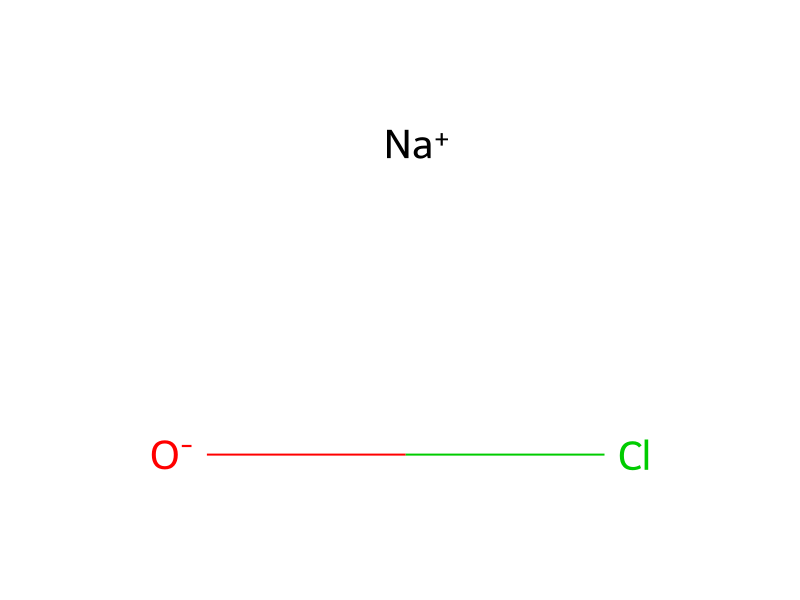
HCID 23665760Sodium Hypochlorite

Product 1

HCID 12898169Ethyl 1-cyano-3-(2,2-dichlorovinyl)-2,2-dimethylcyclopropane-1-carboxylate

Reagents, catalysts & solvents 4

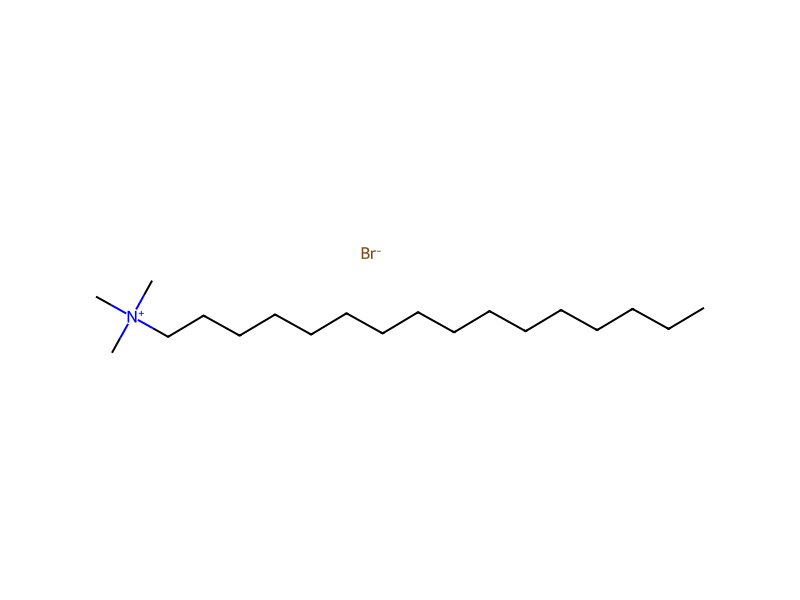
HCID 5974Hexadecyltrimethylammonium BromideCatalystHCID 82326Triethylmethylammonium chlorideCatalystHCID 962WaterSolvent2×HCID 31272Butyl AcetateSolvent

Procedure

A mixture of ethyl cyanoacetate (24.88 parts), 1,1-dichloro-4-methylpenta-1,3-diene (30.2 parts) cupric chloride (2.68 parts), calcium carbonate (40 parts), calcium chloride and potassium bromide as indicated in the table below, is heated in water in the presence of a phase transfer catalyst (either cetyl trimethyl ammonium bromide (CTMAB) or methyl triethyl ammonium chloride (MTEAC)]]. Sodium hypochlorite solution, bromine or chlorine are then added at a uniform rate to the mixture at an elevated temperature. Heating is continued for a further period. After cooling the reaction mixture, the suspension is diluted with butyl acetate (100 parts by volume). Concentrated hydrochloric acid (50 parts by volume) diluted with water (100 parts) is slowly added, the mixture is stirred for about 30 minutes and then filtered to remove extraneous matter. The butyl acetate layer is separated and washed with water (4×50 parts). The butyl acetate is removed by distillation under reduced pressure to yield crude ethyl 1-cyano-3-(2',2'-dichlorovinyl)-2,2-dimethylcyclopropane -1-carboxylate. Details of the reaction conditions are given in the table below, together with the yield, strength and composition of the product.


Workup

  1. temperatureHeating
  2. waitis continued for a further period
  3. temperatureAfter cooling the reaction mixture
  4. additionis slowly added
  5. filtrationfiltered
  6. customto remove extraneous matter
  7. customThe butyl acetate layer is separated
  8. washwashed with water (4×50 parts)
  9. customThe butyl acetate is removed by distillation under reduced pressure

Sources & evidence

ORD record
ord-81838b762819421ba96dfa284e7b5a28
Source dataset
uspto-grants-1981_08
DOI
10.6084/m9.figshare.5104873.v1
Patent number
US04284582

Reaction notes

On this pageParticipantsProcedureWorkupSources & evidenceReaction notes