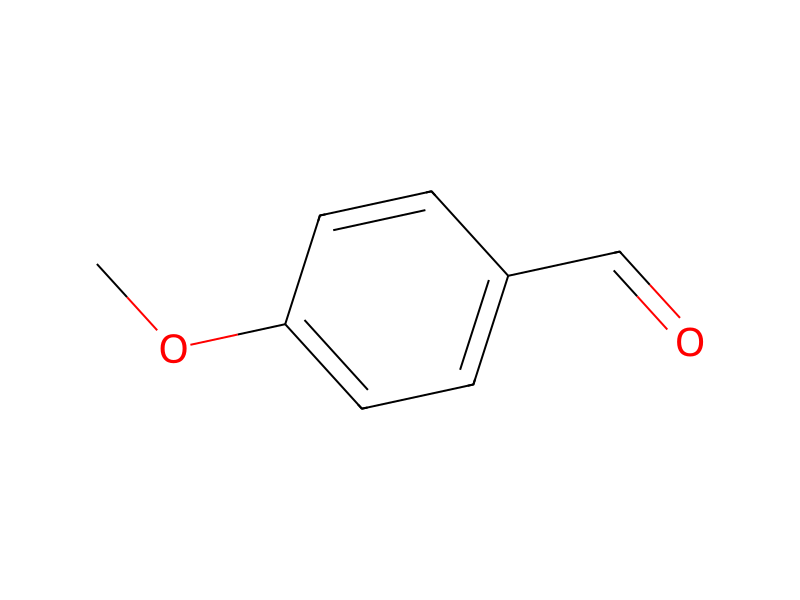
To a solution of n-butyllithium (1.57 mol/L solution in tetrahydrofuran, 2.0 mL) in tetrahydrofuran (23 mL) was added 2,2,6,6-tetramethylpyridine (0.57 mL) at −78° C. The temperature was raised to 0° C., and the mixture was stirred for 30 minutes. After the reaction mixture was cooled to −78° C., 2-chloropyrazine (0.22 mL) was added to the reaction mixture, and the mixture was stirred for 1 hour at the same temperature. To the reaction mixture was added 4-methoxybezaldehyde (0.35 mL), and the mixture was stirred for additionally 1.5 hours. To the reaction-mixture were added concentrated hydrochloric acid (1.2 mL), ethanol (1.2 mL) and tetrahydrofuran (4.8 mL), and the temperature was raised to room temperature. To the reaction mixture was added saturated aqueous sodium bicarbonate solution, and the mixture was concentrated under reduced pressure. After the residue was extracted with dichloromethane, the organic layer was dried over anhydrous sodium sulfate, and the solvent was removed under reduced pressure. The residue was purified by column chromatography on silica gel (eluent: hexane/ethyl acetate=3/2) to give 2-chloropyrazin-3-yl 4-methoxyphenyl methanol (0.31 g). To a suspension of the obtained 2-chloropyrazin-3-yl 4-methoxyphenyl methanol(0.13 g), sodium hydroxide (0.12 g) and potassium carbonate (0.072 g) in toluene (1 mL) were added benzyl alcohol (0.080 mL) and tris-[2-(2-methoxyethoxy)ethyl]amine (0.017 mL), and the mixture was stirred for 2,hours at 120° C. To the reaction mixture was added water, and the mixture was extracted with diethyl ether. The organic layer was dried over anhydrous sodium sulfate, and the solvent was removed under reduced pressure. The residue was purified by preparative thin layer chromatography on silica gel (developing solvent: hexane/ethyl acetate=1/1) to give 2-benzyloxy-3-(4-methoxybenzyl)pyrazine (0.026 g). To a solution of the obtained 2-benzyloxy-3-(4-methoxybenzyl)-pyrazine (0.025 g) in ethanol (1 mL) was added 10% palladium carbon powder (0.0099 g), and the mixture was stirred for 2 hours at room temperature under a hydrogen atmosphere. The insoluble material was removed by filtration, and the filtrate was concentrated under reduced pressure. The residue was purified by preparative thin layer chromatography on silica gel (developing solvent: hexane/ethyl acetate=1/3) to give 3-(4-methoxybenzyl)-1H-pyridin-2-one (0.0055 g).