HomeMCPWorkbenchSkills
HomeWorkbenchNotificationsMe
llms.txt · MCP GuidePrivacy Policy · Terms of Service · Supportv1.8.3
  1. Home
  2. /Reaction

Hydrochloric Acid → Ethyl 2-amino-3-oxo-3-(tetrahydrofuran-3-yl)propanoate, hydrochloride salt

HRID 931342
Print

Reaction equation

HRID 931342 reaction equation
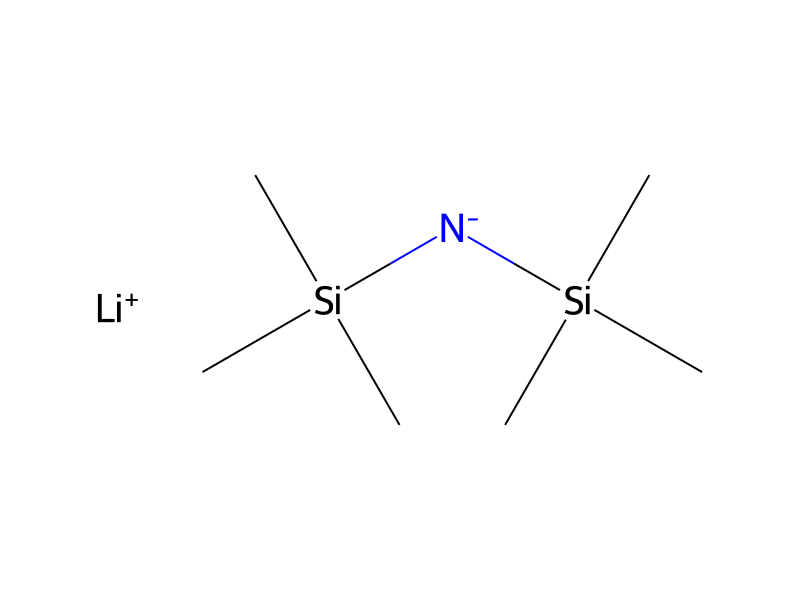
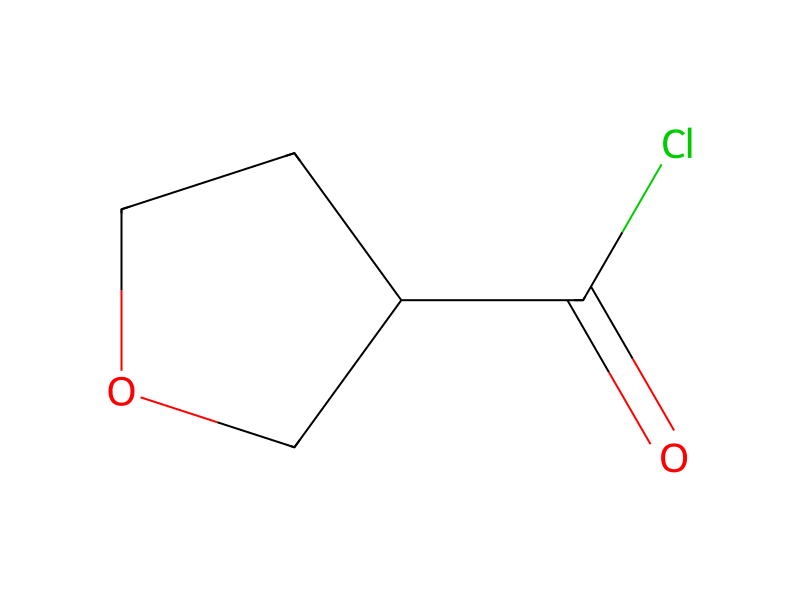
C[Si]([N-][Si](C)(C)C)(C)C.[Li+].C1(C(/[N:24]=[CH:25]/[C:26]([O:28][CH2:29][CH3:30])=[O:27])C2C=CC=CC=2)C=CC=CC=1.[O:31]1[CH2:35][CH2:34][CH:33]([C:36]([Cl:38])=[O:37])[CH2:32]1.Cl>O1CCCC1>[ClH:38].[NH2:24][CH:25]([C:36](=[O:37])[CH:33]1[CH2:34][CH2:35][O:31][CH2:32]1)[C:26]([O:28][CH2:29][CH3:30])=[O:27]
ParticipantsProcedureWorkupSources & evidenceReaction notes

Participants

6

Reactant 4

HCID 313Hydrochloric AcidHCID 2733832Lithium hexamethyldisilazaneHCID 14020412Tetrahydrofuran-3-carbonyl chlorideHCID 178472686HCID 178472686, compound

Product 1

HCID 131732346Ethyl 2-amino-3-oxo-3-(tetrahydrofuran-3-yl)propanoate, hydrochloride salt

Reagents, catalysts & solvents 1

HCID 8028
Tetrahydrofuran
Solvent
2×

Procedure

Lithium bis(trimethysilyl)amide (1 M solution in tetrahydrofuran, 288 mL, 0.288 mol) was added drop-wise to a solution of ethyl (2E)-[(diphenylmethyl)imino]ethanoate (70 g, 0.26 mol) in tetrahydrofuran (1 L) at −70° C. The reaction mixture was stirred for 30 minutes, and the resulting suspension was transferred via cannula into a solution of tetrahydrofuran-3-carbonyl chloride (35.7 g, 0.26 mol) in tetrahydrofuran (200 mL) at −70° C. The reaction mixture was stirred at room temperature for 2 hours, at which time aqueous hydrochloric acid (2 M, 260 mL) was added. After the reaction mixture had stirred for 15 minutes, the tetrahydrofuran was removed in vacuo, and the aqueous residue was washed with ethyl acetate (4×200 mL). The aqueous layer was freeze-dried, affording the product as a light yellow solid. Yield: 40 g, 0.20 mol, 77%.

Workup

  1. additionwas added
  2. stirringAfter the reaction mixture had stirred for 15 minutes
  3. customthe tetrahydrofuran was removed in vacuo
  4. washthe aqueous residue was washed with ethyl acetate (4×200 mL)
  5. customThe aqueous layer was freeze-dried

Sources & evidence

ORD record
ord-ed521298f98e4cc5b0e037e5c4519664
Source dataset
uspto-grants-2016_03
DOI
10.6084/m9.figshare.5104873.v1
Patent number
US09296761B2

Reaction notes

On this pageParticipantsProcedureWorkupSources & evidenceReaction notes