Reaction equation

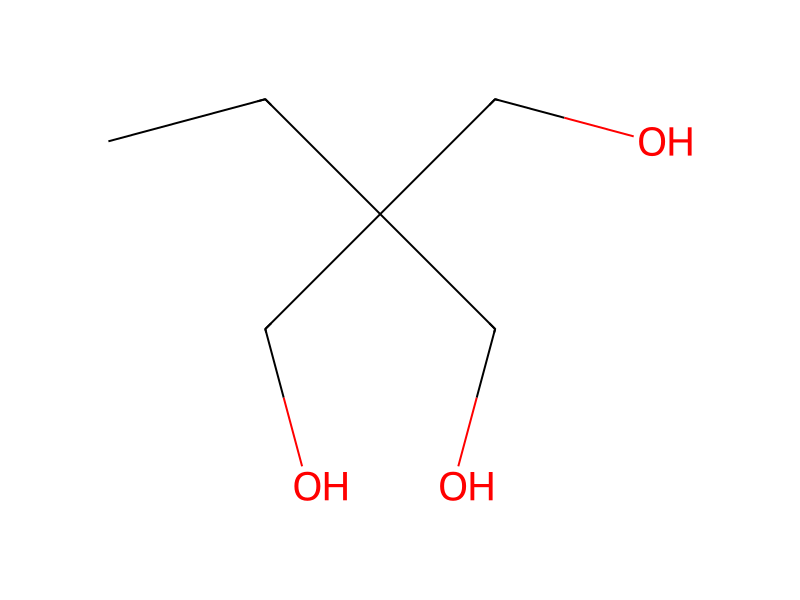
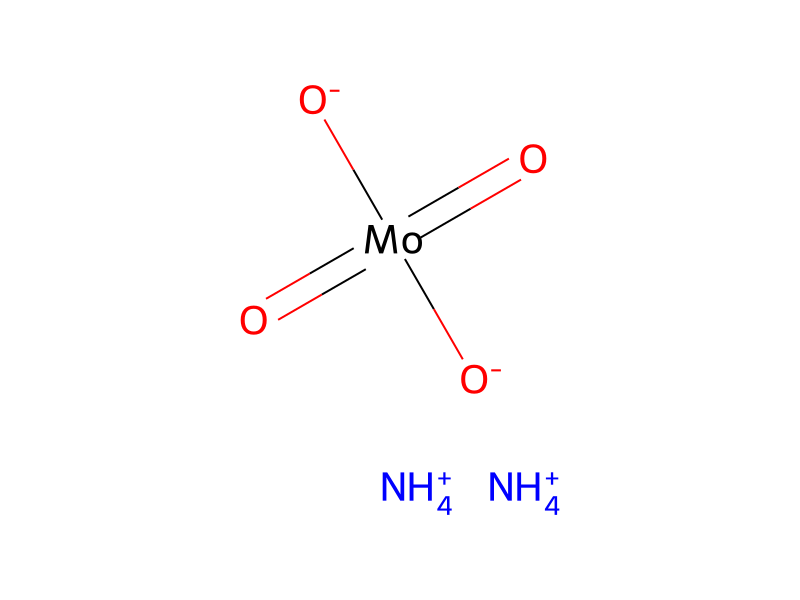
[CH2:1]([C:3]([CH2:8][OH:9])([CH2:6][OH:7])[CH2:4][CH3:5])[OH:2].CO[CH:12](OC)[CH3:13].[CH2:16](N(CC)CC)C>O1CCCC1.[NH4+].[NH4+].[O-][Mo]([O-])(=O)=O.O.C1(C)C=CC(S(O)(=O)=O)=CC=1>[CH2:4]([C:3]1([CH2:8][OH:9])[CH2:6][O:7][C:12]([CH3:13])([CH3:16])[O:2][CH2:1]1)[CH3:5]Participants
7
Reactant 3


Product 1

Reagents, catalysts & solvents 3


Procedure
Trimethylolpropane (10.0 g; 74.6 mmol), 2,2-dimethoxyethane (9.01 g; 86.5 mmol) and p-toluenesulfonic acid monohydrate (0.369 g; 1.94 mmol) were dissolved in tetrahydrofuran (125 mL). The clear solution was stirred at ambient temperature for 24 h. TLC (stained with ammonium molybdate) confirmed near quantitative conversion of the starting triol. The reaction was neutralised with triethylamine (10 mL) and all volatiles were removed in vacuo. Colourless oily residue was passed through a silicagel column (eluent ethyl acetate/cyclohexane 1:1). The eluent was evaporated to provide (5-ethyl-2,2-dimethyl-1,3-dioxan-5-yl)methanol (12.34 g; 95% yield) as a colourless oil.
Workup
- customall volatiles were removed in vacuo
- customThe eluent was evaporated
Sources & evidence
- ORD record
- ord-36b3516933c442f9b5823fb96a670468
- Source dataset
- uspto-grants-2016_03
- Patent number
- US09296835B2
Linked notes
Loading…