反応式

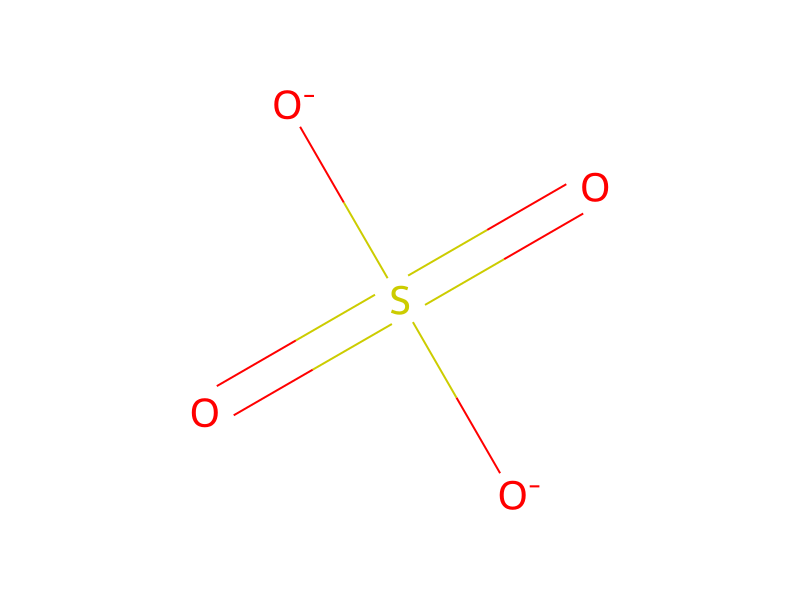
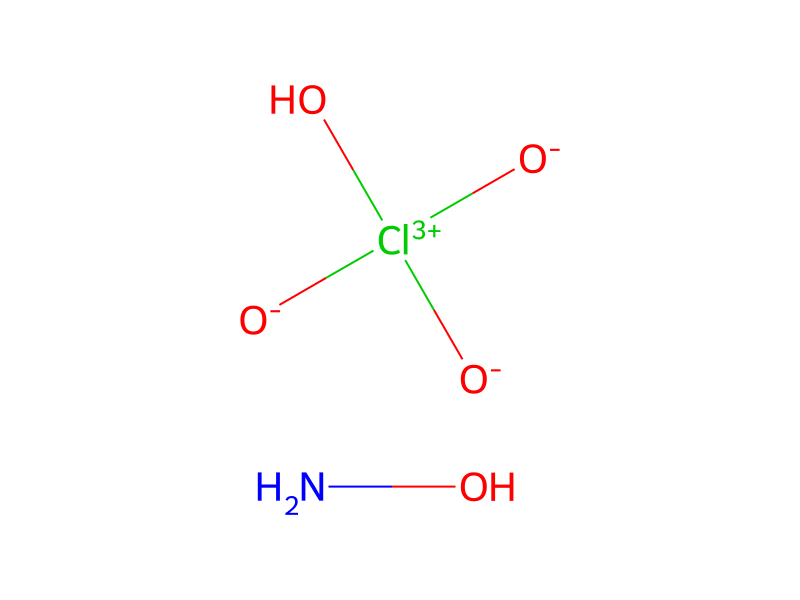
[S:1]([OH:5])([OH:4])(=[O:3])=[O:2].[NH2:6][OH:7].[Na].[Ca].[N+:10]([O-:13])([O-:12])=[O:11].[Ba+2].[N+:15]([O-])([O-])=[O:16].[Cl:19]([O-:23])(=[O:22])(=[O:21])=[O:20]>>[S:1]([O-:5])([O-:4])(=[O:3])=[O:2].[N+:10]([O-:13])([OH:12])=[O:11].[NH2:15][OH:16].[Cl:19]([OH:23])(=[O:22])(=[O:21])=[O:20].[NH2:6][OH:7]参加物
8





実験手順
In the aqueous precipitation process, a saturated aqueous solution of hydroxylamine sulfate is combined with a saturated aqueous solution of sodium, calcium or barium nitrate or perchlorate. These reactions result in the formation of a very difficult-to-filter sulfate precipitate and of an aqueous solution of either hydroxylamine nitrate (HAN) or hydroxylamine perchlorate (HAP). In the case of HAN, the concentration is about 15%. Since most of the useful concentrations of these oxidizers are in the 50 to 85% range water has to be removed by the costly process of distillation. Because the sulfate is difficult to precipitate, residual metal contaminants are present in high concentrations in the final product.
出典と根拠
- ORDレコード
- ord-a429a5b3425a4bd4bba7641e67b534bd
- 出典データセット
- uspto-grants-1990_09
- 特許番号
- US04954328
関連ノート
読み込み中…