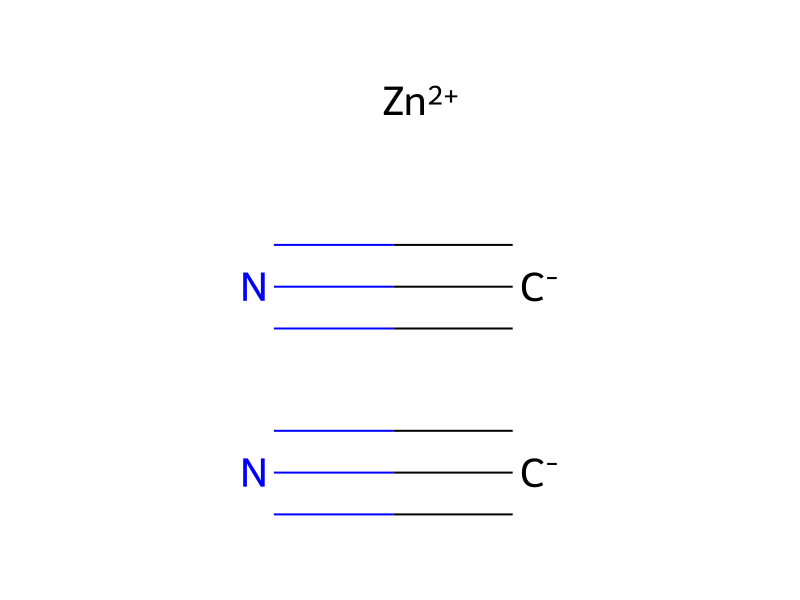
To a solution of 10 g of trifluoromethylphenylacetic acid (0.049 mole) dissolved in 100 ml dichloromethane and 0.5 ml dimethylformamide was added 8.9 g (0.07 mole) of oxalyl chloride dropwise over 1/2 hour. After the evolution of gases had ceased, the liquid was roto-evaporated. To the residue was added 5.75 g (0.049 mole) of zinc cyanide and approximately 100 ml of acetonitrile. The mixture was stirred for 15 minutes at room temperature, and then 5.5 g (0.49 mole) of 1,3-cyclohexanedione was added, followed by dropwise addition of 6.06 g (0.06 mole) of triethylamine. After the exothermic reaction had subsided, the mixture was then refluxed for one hour. Thereafter it was cooled to room temperature and the acetonitrile was removed in vacuo. To the residue was added 2N hydrochloric acid, and the mixture was extracted with ether, after which the organic layer was washed with 5% potassium carbonate. The aqueous layer was acidified and the product obtained which was 2.4 g of substance, identified by suitable analytical techniques as being the subject compound.