反応式

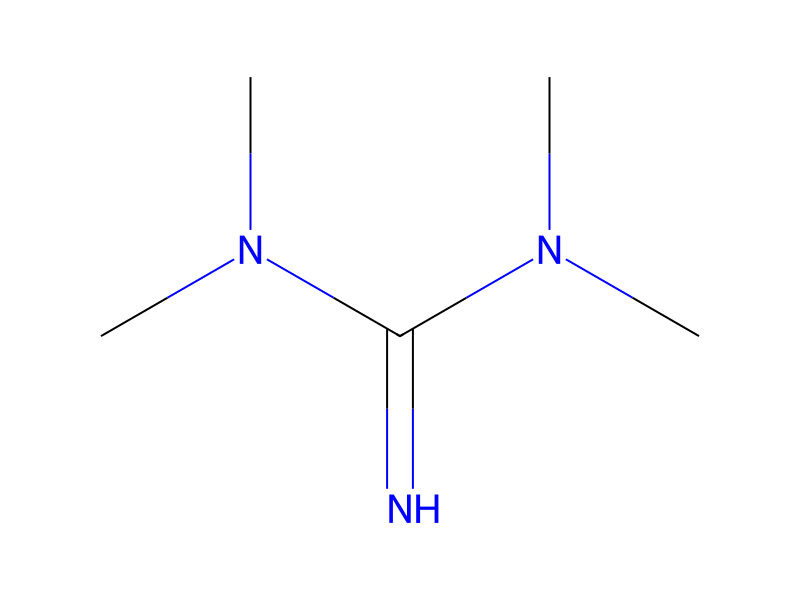
[NH2:1][C:2]1C=C[C:5]([C:6]([CH2:8][C:9]#[N:10])=O)=[CH:4][CH:3]=1.[C:13](#[N:15])C.[N+:16]([CH3:19])([O-])=O.[N:20]1[CH:25]=[CH:24]C=[CH:22][CH:21]=1>C(O)(C)C>[NH:10]1[CH2:4][CH2:5][CH2:6][CH2:8][CH2:9]1.[CH3:2][N:15]([CH3:13])[C:19](=[NH:16])[N:20]([CH3:25])[CH3:21].[CH2:2]1[N:1]2[CH2:22][CH2:21][N:20]([CH2:25][CH2:24]2)[CH2:3]1参加物
8







実験手順
In accordance with the second procedure, the 4-alkanesulfonaminobenzoylacetonitrile is first prepared by reaction of an alkanesulfonylchloride with 4-amino-benzoylacetonitrile at room temperature in dry pyridine. This product is in turn reacted with a dialkylaminobenzaldehyde at reflux temperature in isopropyl alcohol, acetonitrile, nitromethane, or a similar polar solvent and in the presence of a catalytic amount of piperidine, or another catalyst of comparable basicity such as tetramethylguanidine or triethylenediamine, to yield the desired dye.
出典と根拠
- ORDレコード
- ord-f9c4427952c3423b91e2d1a258b32f99
- 出典データセット
- uspto-grants-1983_12
- 特許番号
- US04420555
関連ノート
読み込み中…