

기본 정보
- 표준 SMILES
O=C(CBr)c1ccc(O)cc1- InChIKey
LJYOFQHKEWTQRH-UHFFFAOYSA-N- 분자식
- C8H7BrO2
- 평균 분자량
- 215.04 g/mol
- 단동위원소 질량
- 213.96294156
개요
electrochemical active reagent
이름 및 식별자
- 우선 이름
- 2-Bromo-1-(4-hydroxyphenyl)ethanone
- IUPAC
- 2-bromo-1-(4-hydroxyphenyl)ethanone
- 현지명
- 2-브로모-4'-하이드록시아세토페논
- 영어명
- 2-Bromo-4'-hydroxyacetophenone
- 분자식
- C8H7BrO2
- 분자량
- 215.04
이름 및 동의어
2491-38-52-bromo-1-(4-hydroxyphenyl)ethanone2-Bromo-4-hydroxyacetophenoneEthanone, 2-bromo-1-(4-hydroxyphenyl)-Busan 90DTXSID40345766H0QU4I6BA1-(4-Hydroxyphenyl)-2-bromoethanoneDTXCID2014576RefChem:4665594-HBE2-BROMO-4'-HYDROXYACETOPHENONE
이름 더 보기
2-브로모-4'-하이드록시아세토페논BHAPBUSAN90BUSAN1130Butrol 1130SHP-1 Inhibitor II4-HYDROXYPHENACYL BR4-(Bromoacetyl)phenol(+)-alpha-isolupanine
4-Hydroxyphenacyl bromide2-Bromo-1-(4-hydroxyphenyl)ethan-1-oneptp inhibitor iMFCD00072424168693-83-22-Bromo-4/'-hydroxyacetophenoneCHEMBL1029522-Bromo-1-(4-hydroxy-phenyl)-ethanone
데이터베이스 식별자
- CAS
2491-38-5- PubChem CID
- 4964
- DTXSID
DTXSID4034576- ChEMBL
CHEMBL102952- UNII
- 6H0QU4I6BA
- EC Number
- 219-655-0
- Nikkaji
- J7.592B
물성
구조 계산 물성
- XLogP
- 2.4
- 극성 표면적
- 37.3 Ų
- 수소 결합 공여자 수
- 1
- 수소 결합 수용자 수
- 2
- 회전 가능 결합 수
- 2
- 무거운 원자 수
- 11
- 형식 전하
- 0
- 복잡도
- 139
실험 및 물리화학적 성질
Chemical ClassesOther Uses -> Biocides/Disinfectants
Endocrine DisruptorsPotential endocrine disrupting compound
Vapor Pressure0.000011 [mmHg]
Food Contact SubstancesFCS -> FDA Inventory of Food Contact Substances Listed in 21 CFR
Physical DescriptionReddish-brown odorless liquid; [Reference #1]
물리화학적 성질
- 녹는점
- 123 · 123-126°C
- 끓는 점
- 338.7 · 338.7±17.0 °C(Predicted)
- 밀도
- 1.622 · 1.622±0.06 g/cm3(Predicted)
- 저장 조건
- 2 · Inert atmosphere,2-8°C
- 용해도
- 클로로포름(약간 용해됨), 메탄올(약간 용해됨)
- 물리적 상태
- 백색분말
- 산도 계수 (pKa)
- 7.69 · 7.69±0.15(Predicted)
- 색상
- 흰색~밝은 베이지
- BRN
- 1865388 · 1865388
- 안정성
- 흡습성
- InChI
- InChI=1S/C8H7BrO2/c9-5-8(11)6-1-3-7(10)4-2-6/h1-4,10H,5H2
- InChIKey
- LJYOFQHKEWTQRH-UHFFFAOYSA-N
- SMILES
- C(=O)(C1=CC=C(O)C=C1)CBr
- EPA
- 2 · 2-Bromo-4-hydroxyacetophenone (2491-38-5)
화학적 성질
Pale Beige Solid
안전 및 규제
GHS 분류
GHS Classification
Warning
H302 (97.2%): Harmful if swallowed [Warning Acute toxicity, oral]
P264, P264+P265, P270, P280, P301+P317, P305+P351+P338, P330, P337+P317, and P501 (click each P-code to see the statement)
Aggregated GHS information provided per 72 reports by companies from 4 notifications to the ECHA C&L Inventory. Each notification may be associated with multiple companies.
유해성 정보
Regulatory Information
Chemical: Ethanone, 2-bromo-1-(4-hydroxyphenyl)-
Ethanone, 2-bromo-1-(4-hydroxyphenyl)-: Does not have an individual approval but may be used as a component in a product covered by a group standard. It is not approved for use as a chemical in its own right.
Hazards Summary
Erythema and edema progressing to subcutaneous hemorrhage, eschar, scabbing, necrosis, and exfoliation were observed in 21 day dermal study of rabbits (no systemic toxicity observed); No evidence of developmental toxicity; [Reference #1] After a spill of this slimicide at a papermill, workers developed recurrent allergic contact dermatitis. [Kanerva, p. 1761]
Hazard Classes and CategoriesAcute Tox. 4 (97.2%)
독성 정보
Adverse EffectsSkin Sensitizer - An agent that can induce an allergic reaction in the skin.
Toxicity DataLC50 (rat) = 190 mg/m3/4hr
안전 데이터
- wgk
- 1
- rtecs
- AM5982000
- ridadr
- 1760
- HS 번호
- 2914500090
- risk_code
- 22-36
- hazard_code
- C,Xn
- safety_code
- 26
- 포장분류
- III
- 위험 등급
- 8
- 위험 참고 사항
- Corrosive/Lachrymatory/Keep Cold
- Hazard Classifications
- Acute Tox. 4 OralEye Irrit. 2
- 스토리지 클래스
- 11 - Combustible Solids
화학 및 산업
용도 및 제조
Uses
Used as microbiocide/microbiostat for control of slime forming bacteria and fungi in water cooling systems, oil recovery drilling muds and secondary injection water, pulp and paper water systems, adhesives, coatings, latex paints, and wet-end additives, and industrial processing chemicals; [Reference #1]
Petroleum Production and Refining [Category: Industry]
응용 분야
개요PTP Inhibitor I is a cell-permeable, protein tyrosine phosphatase (PTP) inhibitor that covalently blocks the catalytic domain of the Src homology region 2 domain-containing phosphatase (SHP-1(ΔSH2)) with a Ki value of 43 μM and PTP1B with a Ki value of 42 μM. SHP-1 and PTP1B both have known roles in regulating insulin signaling as well as myeloid and lymphoid cell differentiation, making inhibitors of these phosphatases of interest in diabetes, cancer, allergy, and inflammation research.
용도A covalent inhibitor of protein tyrosine phosphatases (PTPs)
제조 방법
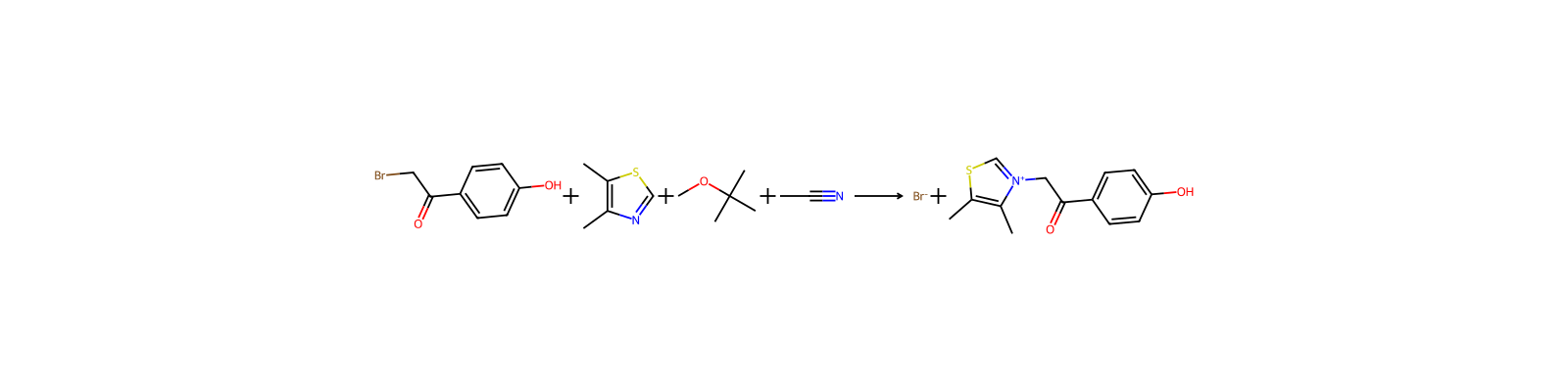
Also obtained by reaction of pyridinium hydrobromide perbromide with 4-hydroxyacetophenone in THF at r.t. for 3 h.
상·하류 제품 정보
상류 원료
하류 제품
공급사50 곳
常州帝通化工有限公司+86-0519-88298848 · [email protected]
梯希爱(上海)化成工业发展有限公司021-67121386 · [email protected]
上海阿拉丁生化科技股份有限公司400-6206333 13167063860 · [email protected]
上海泰矶林实业有限公司02150630626 17717886015 · [email protected]
武汉科美沃化工有限公司+86-2785736489 +8618171418573 · [email protected]
上海赫文斯化工有限公司15721252604 17321035817 · [email protected]
Dayang Chem (Hangzhou) Co.,Ltd.+86-0571-88938639 17705817739 · [email protected]
上海迈瑞尔生化科技有限公司4006356688 18621169109 · [email protected]
安耐吉化学&3A(安徽泽升科技股份有限公司)400-0056266 · [email protected]
上海瀚鸿科技股份有限公司021-54306202 13764082696 · [email protected]
北京迈索化学技术有限公司010-57862036 18811083386 · [email protected]
上海钰康生物科技有限公司+86-18930848214 +86-021-56762820 · [email protected]
上海相辉医药科技有限公司13761987713 · [email protected]
上海景颜化工科技有限公司13817811078 · [email protected]
嘉兴市艾森化工有限公司0573-85285100 18627885956 · [email protected]
Pure Chemistry Scientific Inc.001-857-928-2050 or 1-888-588-9418 · [email protected]
杭州东帆化学有限公司86-0571-85151182
山东西亚化学有限公司13355009207 13355009207 · [email protected]
唐山默内德贸易有限公司0315-8309571 15633399667 · [email protected]
四川库利南科技有限公司400-1166-196 18981987031 · [email protected]
天津希恩思生化科技有限公司400 638 7771 · [email protected]
武汉海正工贸发展有限公司027-8866 0053/88660577/88660578
上海源叶生物科技有限公司13636370518 · [email protected]
上海思域化工科技有限公司86-21-34053660 · [email protected]
上海遐瑞医药科技有限公司+86 21 61551611
TCI AMERICA800-4238616 · [email protected]
TOKYO CHEMICAL INDUSTRY CO., LTD.03-36680489 · [email protected]
TCI Europe320-37350700 · [email protected]
上海贤鼎生物科技有限公司4009209199 · [email protected]
深圳振强药物研发有限公司0755-66853366 13670046396 · [email protected]
深圳康特腾科技有限公司86-0755-86635001 · [email protected]
越林试剂021-62960152 · [email protected]
上海灏云化工科技有限公司021-68367562 · [email protected]
上海湄水化工科技有限公司021-60549325 18616193163
HBCChem, Inc.+1-510-219-6317 · [email protected]
上海毕得医药科技股份有限公司400-164-7117 18317119277 · [email protected]
上海爱蝶实业有限公司021-58957966 18930537195 · [email protected]
成都零六生物科技有限公司400-1166-196 13458535857 · [email protected]
广拓化学(上海)有限公司021-60899189-8001 18918189673 · [email protected]
上海御略医药科技有限公司021-60345187 13671753212 · [email protected]
上海洽凡生化科技有限公司+86-021-61654350 · [email protected]
上海嵩爰化工科技有限公司010-1234567 18521000990 · [email protected]
上海有朋化工有限公司021-69005955 13701776567 · [email protected]
北京海力扬化学科技有限公司13718199399 · [email protected]
四川海诺威科技有限公司13708085536 13708085536 · [email protected]
江苏艾康生物医药研发有限公司025-66028182 17714375163 · [email protected]
上海凯赛化工有限公司021-33516722 13701817765 · [email protected]
上海彤源化工有限公司021-021-69182866 13701855675 · [email protected]
上海兴鲁化工科技有限公司02120970332 · [email protected]
凯试(上海)科技有限公司021-50135380 · [email protected]
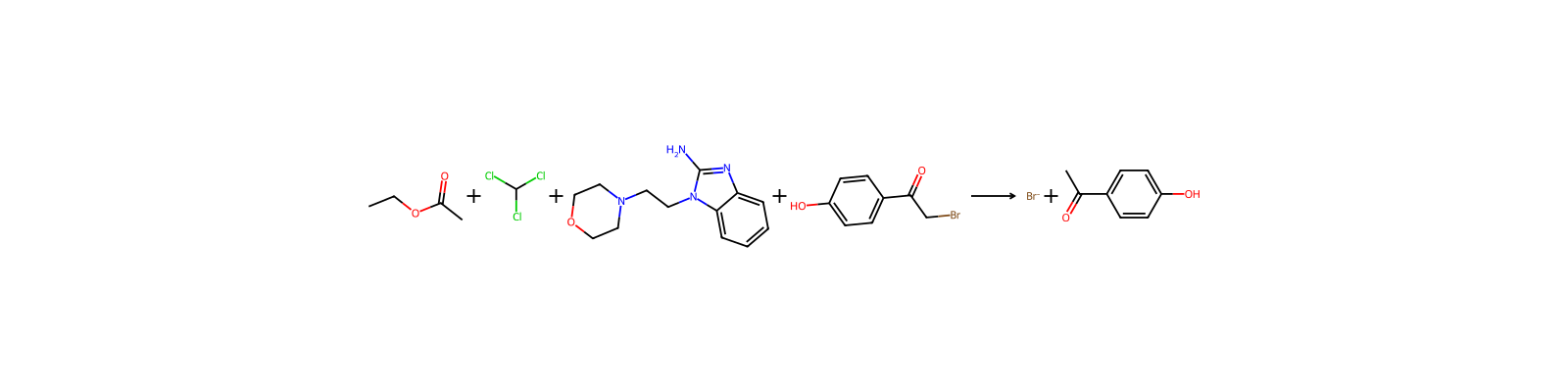
관련 반응
248건



연결된 노트
불러오는 중…