반응식

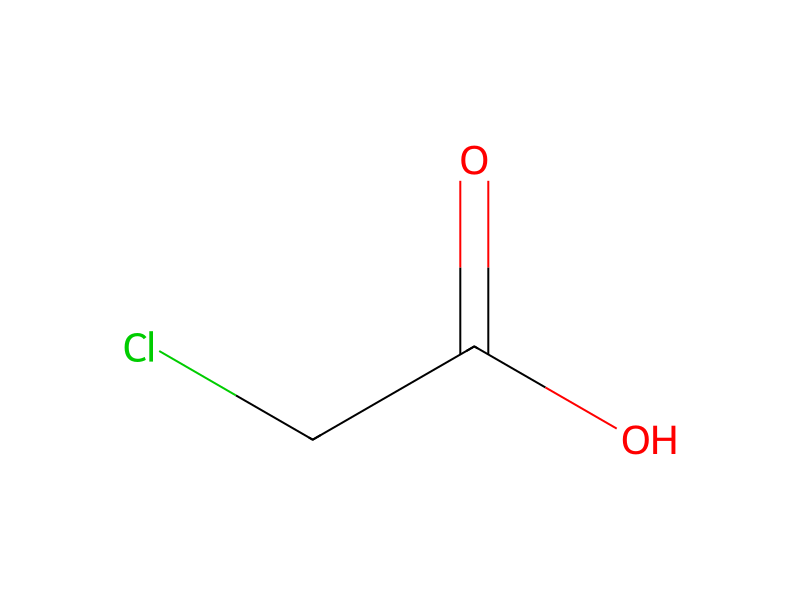
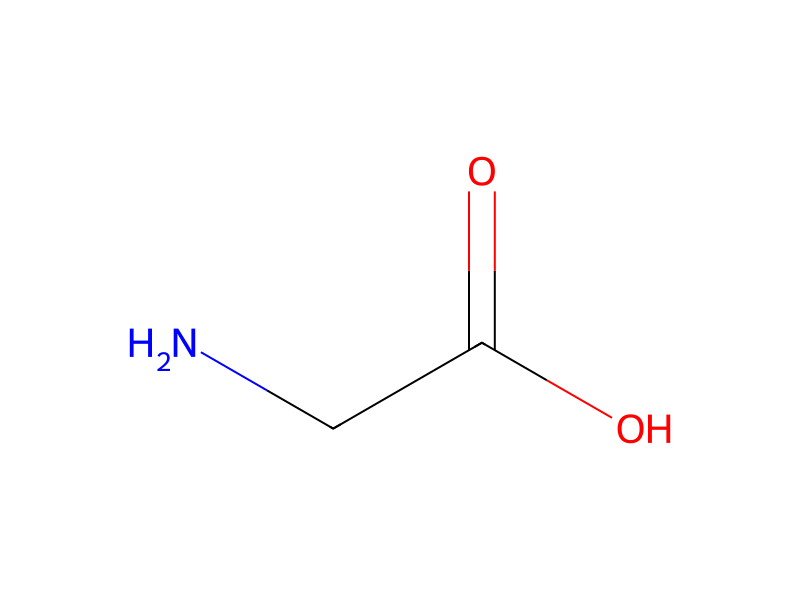
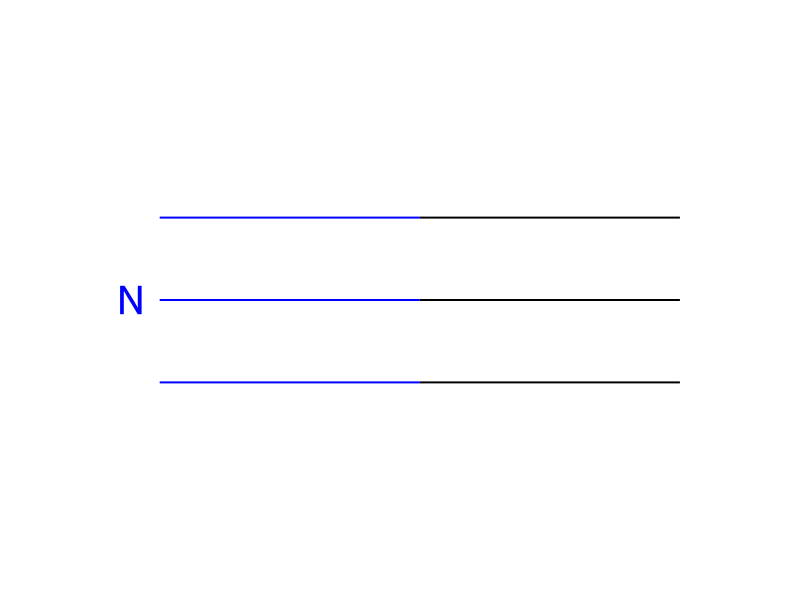
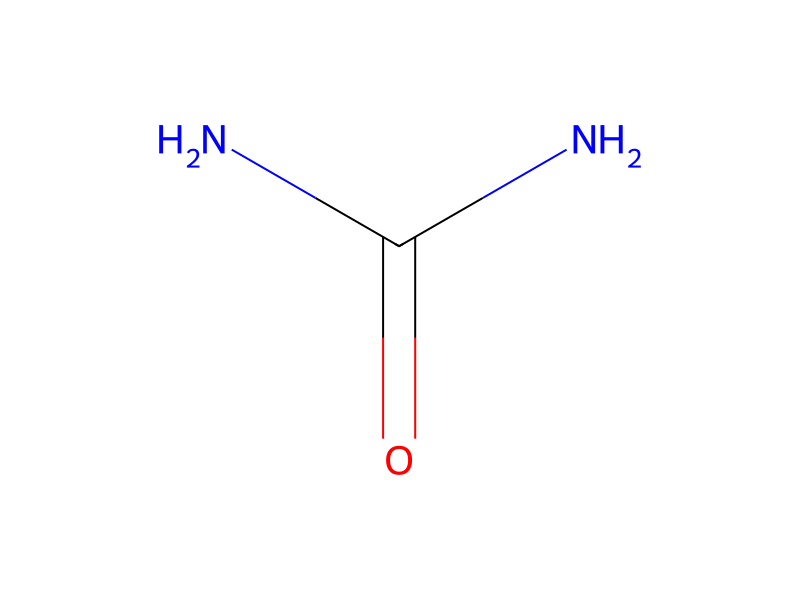
[CH2:1]([NH2:8])[C:2]1[CH:7]=[CH:6][CH:5]=[CH:4][CH:3]=1.C=O.C#N.C(NCC(O)=O)C1C=CC=CC=1.N[CH2:26][C:27]([OH:29])=O.C(Cl)C1C=CC=CC=1.ClCC(O)=O.C1C=CC(CNCC#N)=CC=1.Cl.[NH2:55][C:56](N)=[O:57].N#CO>>[CH2:1]([N:8]1[CH2:26][C:27](=[O:29])[NH:55][C:56]1=[O:57])[C:2]1[CH:7]=[CH:6][CH:5]=[CH:4][CH:3]=1참가 물질
반응물 10






생성물 1

실험 절차
The starting material for the abovementioned synthetic route a), viz. N-benzyl-aminoacetonitrile, is prepared by reaction of benzylamine and formaldehyde with the extremely toxic hydrocyanic acid (see also Tetrahedron Letters [23], 27 (1982), 2741-4). The starting material for the synthetic route b), viz. N-benzylglycine, also firstly has to be prepared by reaction of glycine with benzyl chloride or of chloroacetic acid with benzylamine. The reaction of N-benzylaminoacetonitrile or N-benzylglycine as per a) or b) is carried out either by fusion with urea for a long time or by reaction with the toxic cyanic acid. Both methods give 1-benzyl-hydantoin in only low yields: thus, according to Huaxue Shiji 1993, 15(1) 15-16, the reaction of N-benzylglycine (obtained by reaction of benzylarnine with chloroacetic acid) with cyanic acid gives 1-benzylhydantoin in a yield of only 39.5% and the reaction of N-benzylglycine with urea gives 1-benzylhydantoin in a yield of only 45.6%. The subsequent bromination of the 1-benzylhydantoin and treatment with ethanol again proceeds in only a low yield of 42.7%.
출처 및 근거
- ORD 기록
- ord-823b11e39bfd4c61906d90534300ea45
- 출처 데이터셋
- uspto-grants-2002_04
- 특허 번호
- US06365752B1
연결된 노트
불러오는 중…