Hydrochloric Acid → HCID 59259147, compound
Reaction equation

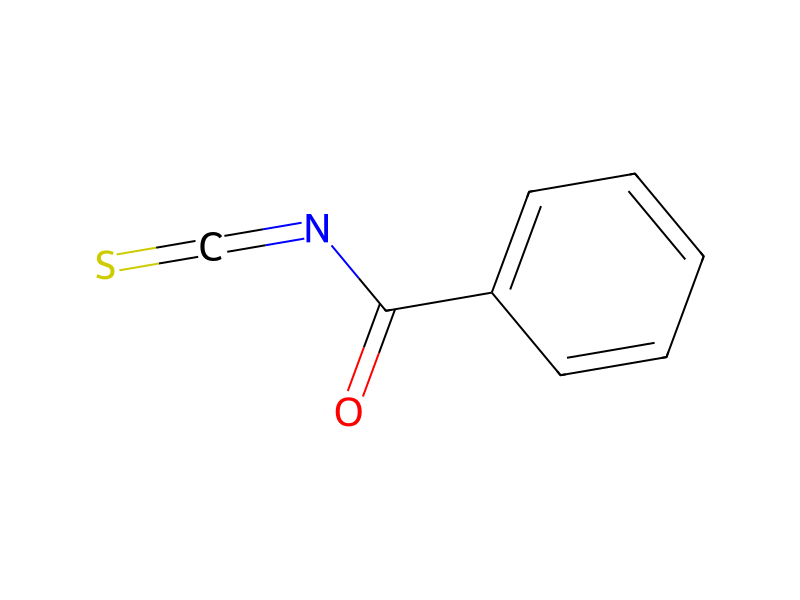
[NH2:1][C:2]1[CH:7]=[CH:6][C:5]([O:8][CH2:9][C:10]#[CH:11])=[CH:4][C:3]=1[C:12]([C:14]1[CH:19]=[CH:18][C:17]([CH:20]([CH3:22])[CH3:21])=[CH:16][CH:15]=1)=O.C([N:31]=[C:32]=[S:33])(=O)C1C=CC=CC=1.C(=O)([O-])[O-].[K+].[K+].Cl>C1COCC1.CO>[CH:20]([C:17]1[CH:18]=[CH:19][C:14]([C:12]2[C:3]3[C:2](=[CH:7][CH:6]=[C:5]([O:8][CH2:9][C:10]#[CH:11])[CH:4]=3)[NH:1][C:32](=[S:33])[N:31]=2)=[CH:15][CH:16]=1)([CH3:22])[CH3:21]Participants
7
Reactant 4



Product 1

Reagents, catalysts & solvents 2


Procedure
A solution of 0.5 g (1.71 mmol) (2-amino-5-prop-2-ynyloxy-phenyl)-(4-isopropyl-phenyl)-methanone and 0.23 ml (1.71 mmol) benzoyl isothiocyanate in 5 ml THF is stirred for 3 h at r.t. before 0.235 g potassium carbonate and 5 ml methanol are added. After stirring for 18 h, the reaction mixture is acidified with 0.1 M aqueous hydrochloric acid and extracted with dichloromethane. After evaporation of the organic phases, the residue is triturated with diethyl ether to give the title compound.
Workup
- additionare added
- extractionextracted with dichloromethane
- customAfter evaporation of the organic phases
- customthe residue is triturated with diethyl ether
Sources & evidence
- ORD record
- ord-c065c6029c1c47d1902e7b63cd177e49
- Source dataset
- uspto-grants-2013_10
- Patent number
- US08569317B2
Reaction notes
Loading…