Potassium Iodide → 1-Acetyl-4-(4-morpholinophenyloxy)piperidine
Reaction equation

[C:1]([N:4]1[CH2:9][CH2:8][CH:7]([O:10][C:11]2[CH:16]=[CH:15][C:14]([NH2:17])=[CH:13][CH:12]=2)[CH2:6][CH2:5]1)(=[O:3])[CH3:2].C(=O)([O-])[O-].[K+].[K+].[I-].[K+].[CH2:26]([O:29][CH2:30][CH2:31]Cl)[CH2:27]Cl>CN(C)C=O>[C:1]([N:4]1[CH2:9][CH2:8][CH:7]([O:10][C:11]2[CH:12]=[CH:13][C:14]([N:17]3[CH2:31][CH2:30][O:29][CH2:26][CH2:27]3)=[CH:15][CH:16]=2)[CH2:6][CH2:5]1)(=[O:3])[CH3:2]Participants
6

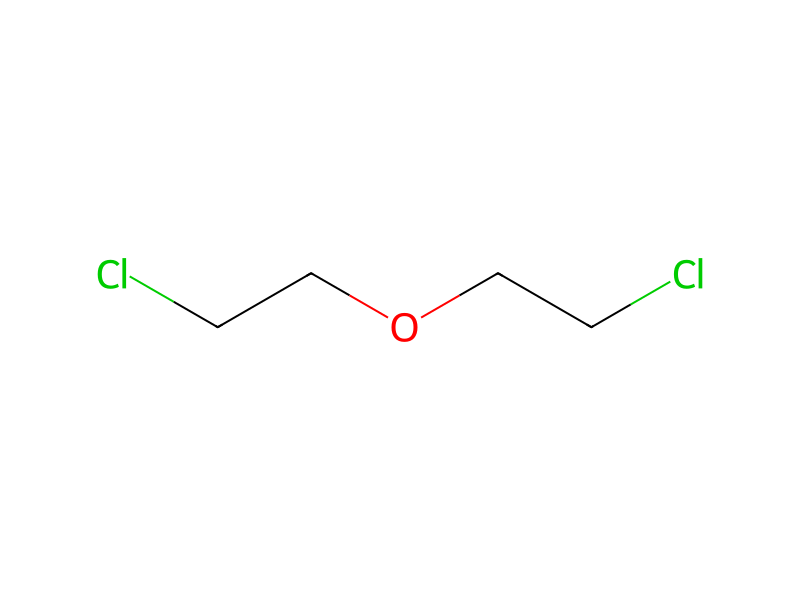




Conditions
- Temperature
- 100 °C
Procedure
1-Acetyl-4-(4-aminophenyloxy)piperidine (1.77 g) obtained in Example 1 was dissolved in dimethylformamide (10 ml) and to the mixture were added potassium carbonate (2.1 g), potassium iodide (0.2 g) and 2,2'-dichloroethyl ether (0.9 ml), followed by heating with stirring at 100° C. overnight. The mixture was worked up according to the same manner as that described in Example 1 to obtain a colorless oily compound (1.4 g).
Workup
- temperatureby heating
Sources & evidence
- ORD record
- ord-59d19d13752b47e1a42eed73bd1b3a44
- Source dataset
- uspto-grants-1996_12
- Patent number
- US05580883
Reaction notes
Loading…