Hydrochloric Acid → Methyl 5-(tetrazol-5-yl)biphenyl-3-carboxylate
Reaction equation

[N-:1]=[N+:2]=[N-:3].[Na+].Cl.C(N(CC)CC)C.[C:13]([C:15]1[CH:16]=[C:17]([C:27]([O:29][CH3:30])=[O:28])[CH:18]=[C:19]([C:21]2[CH:26]=[CH:25][CH:24]=[CH:23][CH:22]=2)[CH:20]=1)#[N:14].Cl>CN(C=O)C>[NH:1]1[C:13]([C:15]2[CH:16]=[C:17]([C:27]([O:29][CH3:30])=[O:28])[CH:18]=[C:19]([C:21]3[CH:26]=[CH:25][CH:24]=[CH:23][CH:22]=3)[CH:20]=2)=[N:14][N:3]=[N:2]1Participants
6

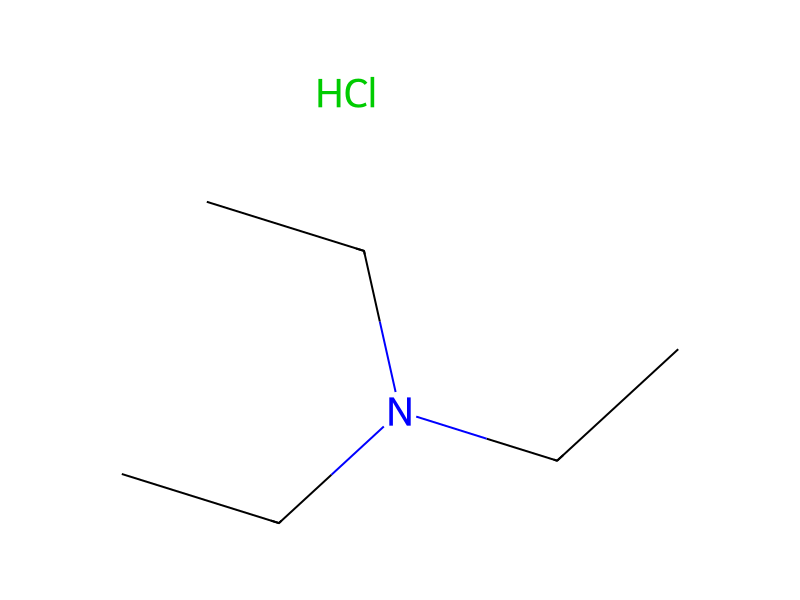




Conditions
- Temperature
- 100 °C
Procedure
Sodium azide (880 mg) and triethylamine hydrochloride (1.9 g) were added to a DMF (40 mL) solution of methyl 5-cyanobiphenyl-3-carboxylate (1.09 g), and stirred at 100° C. for 9 hours. With cooling with ice, diluted hydrochloric acid was added to it, the formed precipitate was taken out through filtration, washed with water, and dried to obtain the title compound as a white powder.
Workup
- additionwas added to it
- filtrationthe formed precipitate was taken out through filtration
- washwashed with water
- customdried
Sources & evidence
- ORD record
- ord-624b9471f1da4ca598e4564e5ceafbcb
- Source dataset
- uspto-grants-2012_03
- Patent number
- US08138197B2
Reaction notes
Loading…