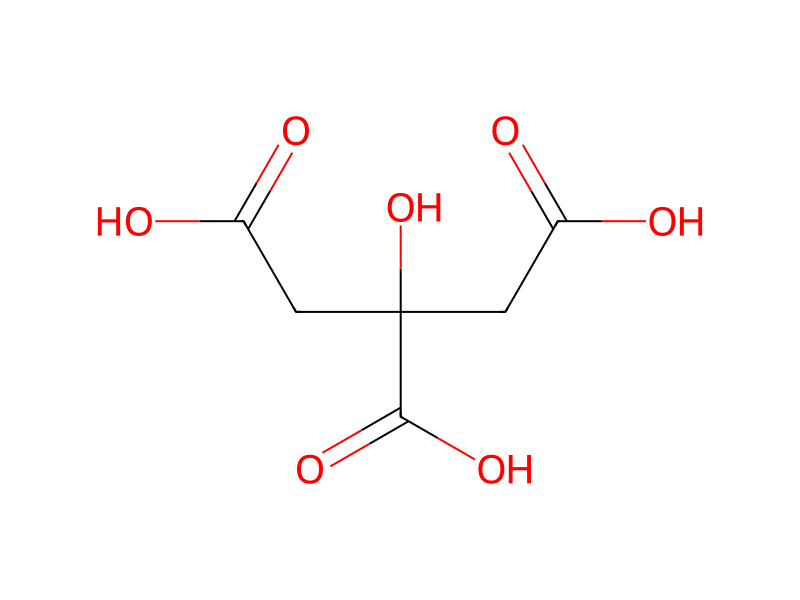
Citric Acid → 2-Propanol, 1-methoxy-, 2-propanoate
Reaction equation

S(=O)(=O)(O)O.Cl.P(=O)(O)(O)O.C(O)(=O)[C:13](O)=[O:14].C(O)(=O)C[C:20]([CH2:25][C:26]([OH:28])=[O:27])(C(O)=O)O.[C:31]1([CH3:41])C=CC(S(O)(=O)=O)=C[CH:32]=1.CS(O)(=O)=O>CC1C=CC=CC=1.C(O)(=O)C>[C:26]([O:28][CH:31]([CH3:41])[CH2:32][O:14][CH3:13])(=[O:27])[CH2:25][CH3:20]Participants
Reactant 7




Product 1

Reagents, catalysts & solvents 2


Procedure
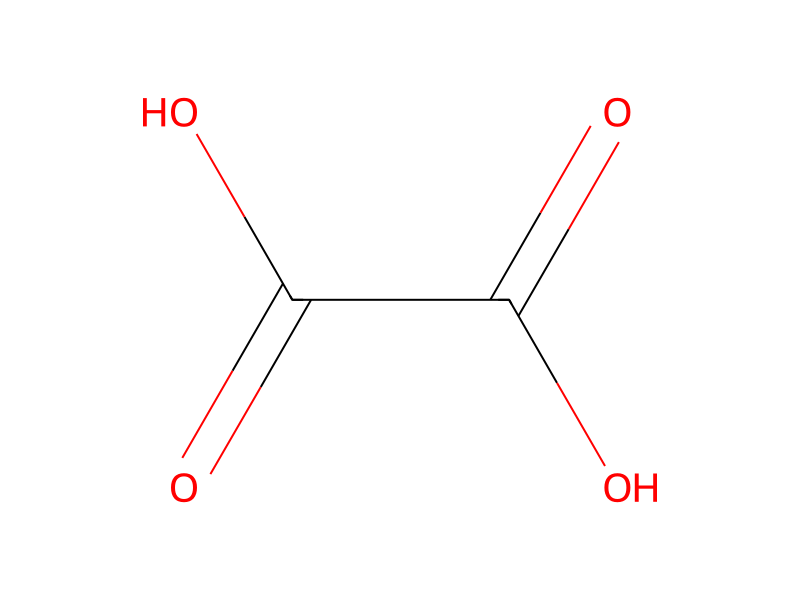
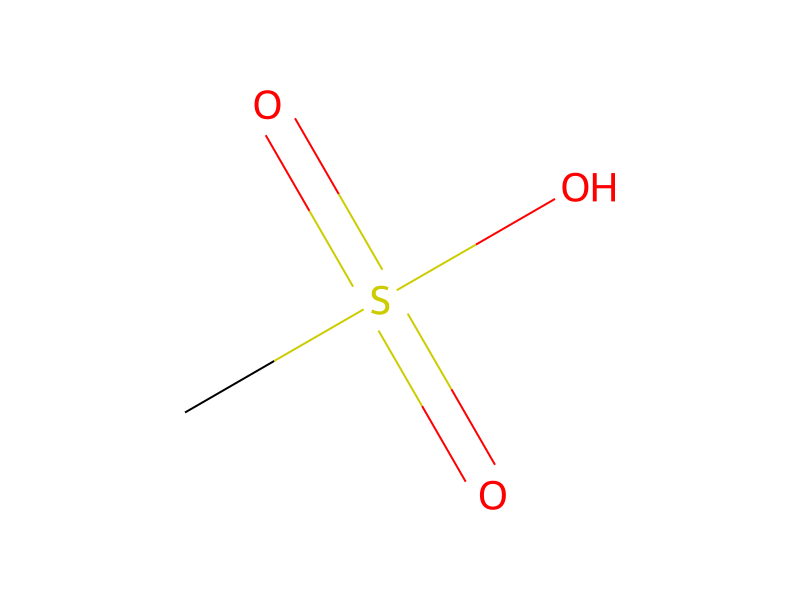
The catalysts used in the present invention include inorganic acids, such as sulfuric acid, hydrochloric acid and phosphoric acid, and organic acids, such as acetic acid, oxalic acid, citric acid, p-toluene sulfonic acid and methane sulfonic acid, among which the strong acids including sulfuric acid, p-toluene, sulfonic acid or methane sulfonic acid are preferred. Propylene glycol monomethyl ether propionate obtained according to the present application has a boiling point of 160.5° C., while other reactants and products having respective boiling point of 120° C. for PGM, 140.8° C. for propionic acid and 100° C. for water. It is apparently easier to rectify this solution comparing the respective boiling point of 146° C. for propylene glycol monomethyl ether acetate, 118° C. for acetic acid and 120° C. for PGM as in the conventional case. This is one of the effects achieved by the process according to the present invention.
Sources & evidence
- ORD record
- ord-abe7778d927a48e2908e51c27f7f7fc3
- Source dataset
- uspto-grants-1994_06
- Patent number
- US05321152
Reaction notes
Loading…