Oxygen → Adamantanone
Reaction equation

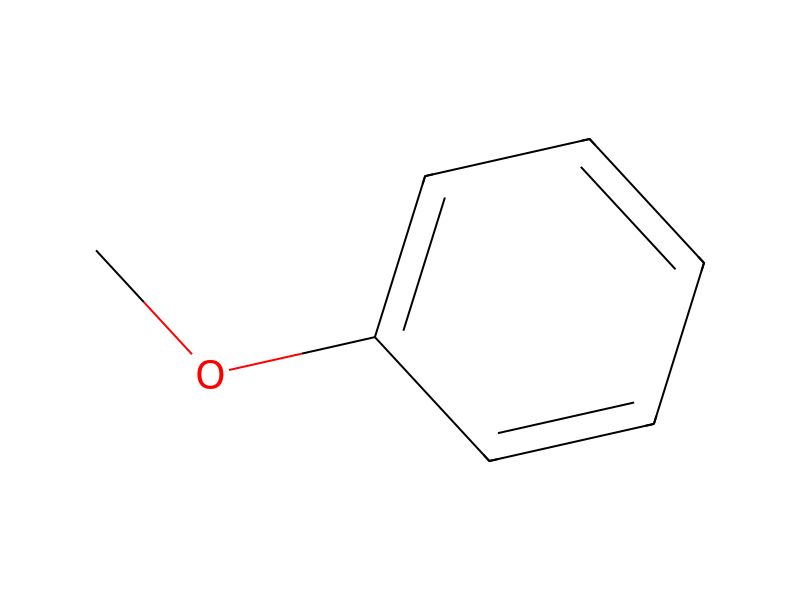
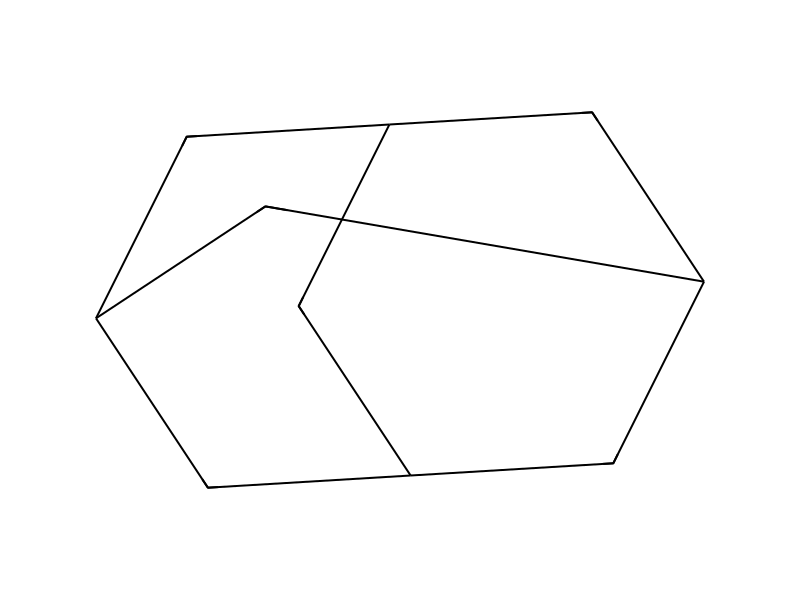
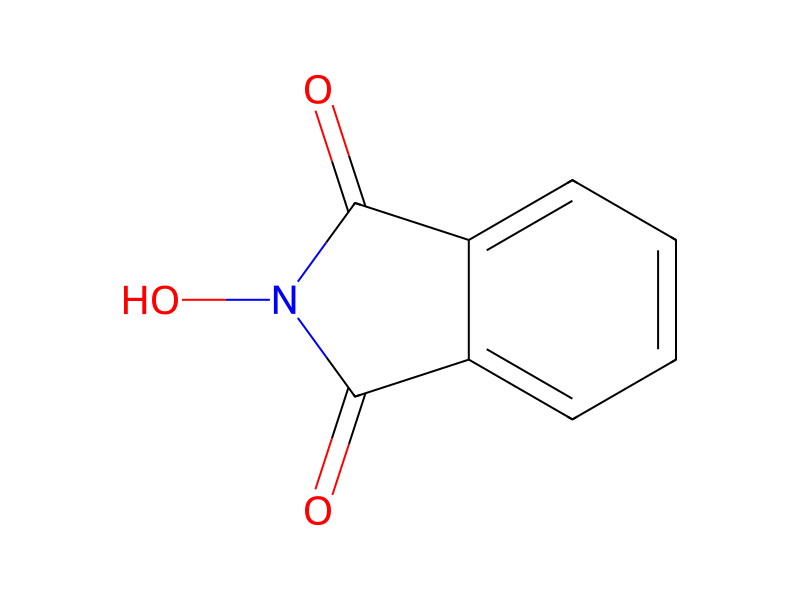
[CH:1]12[CH2:10][CH:5]3[CH2:6][CH:7]([CH2:9][CH:3]([CH2:4]3)[CH2:2]1)[CH2:8]2.[OH:11]N1C(=O)C2=CC=CC=C2C1=O.C1(OC)C=CC=CC=1.O=O.C12(O)CC3CC(CC(C3)C1)C2>C(O)(=O)C>[CH:1]12[CH2:10][CH:5]3[CH2:6][CH:7]([CH2:9][CH:3]([CH2:4]3)[C:2]1=[O:11])[CH2:8]2Participants
Reactant 5


Product 1

Reagents, catalysts & solvents 1

Conditions
- Temperature
- 85 °C
Procedure
A mixture of 27 g (200 mmol) of adamantane, 3.25 g (20 mmol) of N-hydroxyphthalimide, 0.183 g (0.1 mmol) of V2O5, 240 mL of anisol and 60 mL of acetic acid was stirred for 3 hours at 85° C. and 1 atm (0.101 MPa) in an atmosphere of oxygen. After completion of reaction, the reaction mixture was analyzed by gas chromatography and high performance liquid chromatography, and, as a result, the conversion of adamantane was 13.0%, adamantanol and adamantanone were formed in yield 11.3% (selectivity 86.9%) and yield 0.9% (selectivity 6.9%), respectively. Moreover, in the reaction mixture, 2.12 g of N-hydroxyphthalimide used as a catalyst, 0.68 g of phthalimide, and 0.18 g of phthalic anhydride were contained. The reaction mixture was condensed, 400 mL of hexane was added thereto, and the mixture was stirred for 2 hours at 50° C. After cooling, an insoluble material was filtrated to recover the catalyst and the decomposed product thereof in the form of solid. The filtrate did not contain the catalyst and the decomposed product thereof.
Workup
- customAfter completion of reaction
Sources & evidence
- ORD record
- ord-33384197acaf4d80a830038cf18a8ab9
- Source dataset
- uspto-grants-2007_10
- Patent number
- US07285684B2
Reaction notes
Loading…