Hydrochloric Acid → Ethyl 7-bromo-2,2-dimethylheptanoate
Reaction equation

[C:1]([O:6][CH2:7][CH3:8])(=[O:5])[CH:2]([CH3:4])[CH3:3].[Li+].CC([N-]C(C)C)C.Br[CH2:18][CH2:19][CH2:20][CH2:21][CH2:22][Br:23].[NH4+].[Cl-].Cl>C1COCC1.CN1C(=O)N(C)CCC1>[Br:23][CH2:22][CH2:21][CH2:20][CH2:19][CH2:18][C:2]([CH3:4])([CH3:3])[C:1]([O:6][CH2:7][CH3:8])=[O:5]Participants
Reactant 5





Product 1

Reagents, catalysts & solvents 2

Procedure
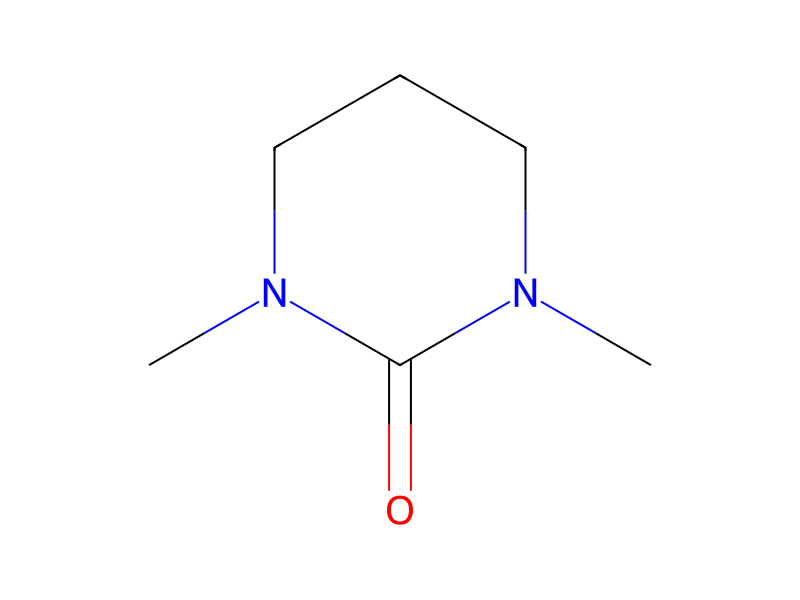
Under Ar atmosphere at −78° C., to a solution of ethyl isobutyrate (124.0 g, 1.06 mol) and DMPU (5 mL) in THF (160 mL) was added LDA (750 mL, 2M). After 30 min, 1,5-dibromopentane (313 g, 1.32 mol) was added in a single portion. The reaction mixture was allowed to stir overnight, gradually warming to rt. The mixture was hydrolyzed with ice (500 g), saturated NH4Cl (400 mL) and aqueous HCl (6M, 400 mL), and the solution was extracted with Et2O (3×300 mL). The organic layers were washed with half saturated NaCl (2×300 mL), dried (MgSO4) and evaporated in vacuo. The remaining residue was purified by distillation under reduced pressure to give ethyl 7-bromo-2,2-dimethylheptanoate (97.4 g, 32%) as a colorless oil. bp: T=109–110° C. (p=1.5–2 Torr). 1H NMR (CDCl3): δ=4.15 (q, J=7.2 Hz, 2H), 3.40 (t, J=6.9 Hz, 2H), 1.90–1.83 (m, 2H), 1.55–1.37 (m, 4H), 1.25 (t, J=6.9 Hz, 3H), 1.30–1.22 (m, 2H), 1.16 (s, 6H). 13C NMR (CDCl3): δ=177.9, 60.3, 42.2, 40.5, 33.7, 32.7, 28.6, 25.2, 24.2, 14.3. HRMS calcd for C11H22BrO2 (MH+): 265.0803, found: 265.0816.
Workup
- extractionthe solution was extracted with Et2O (3×300 mL)
- washThe organic layers were washed with half saturated NaCl (2×300 mL)
- dry with materialdried (MgSO4)
- customevaporated in vacuo
- distillationThe remaining residue was purified by distillation under reduced pressure
Sources & evidence
- ORD record
- ord-b6bdc643dbe74cd59b79f26432b2374d
- Source dataset
- uspto-grants-2006_10
- Patent number
- US07119221B2
Reaction notes
Loading…